 ALLPCB
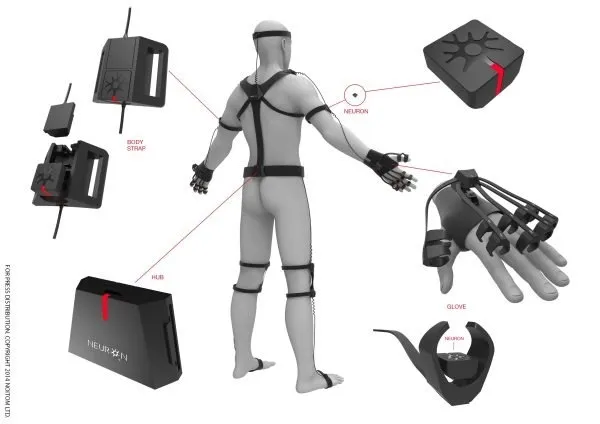
Inertial Motion Capture for VR: Principles and Trade-offs
Inertial motion capture overview: principles of accelerometers, gyroscopes, magnetometers, sensor fusion and system architecture, applications and Xsens MVN example.



Inertial motion capture overview: principles of accelerometers, gyroscopes, magnetometers, sensor fusion and system architecture, applications and Xsens MVN example.
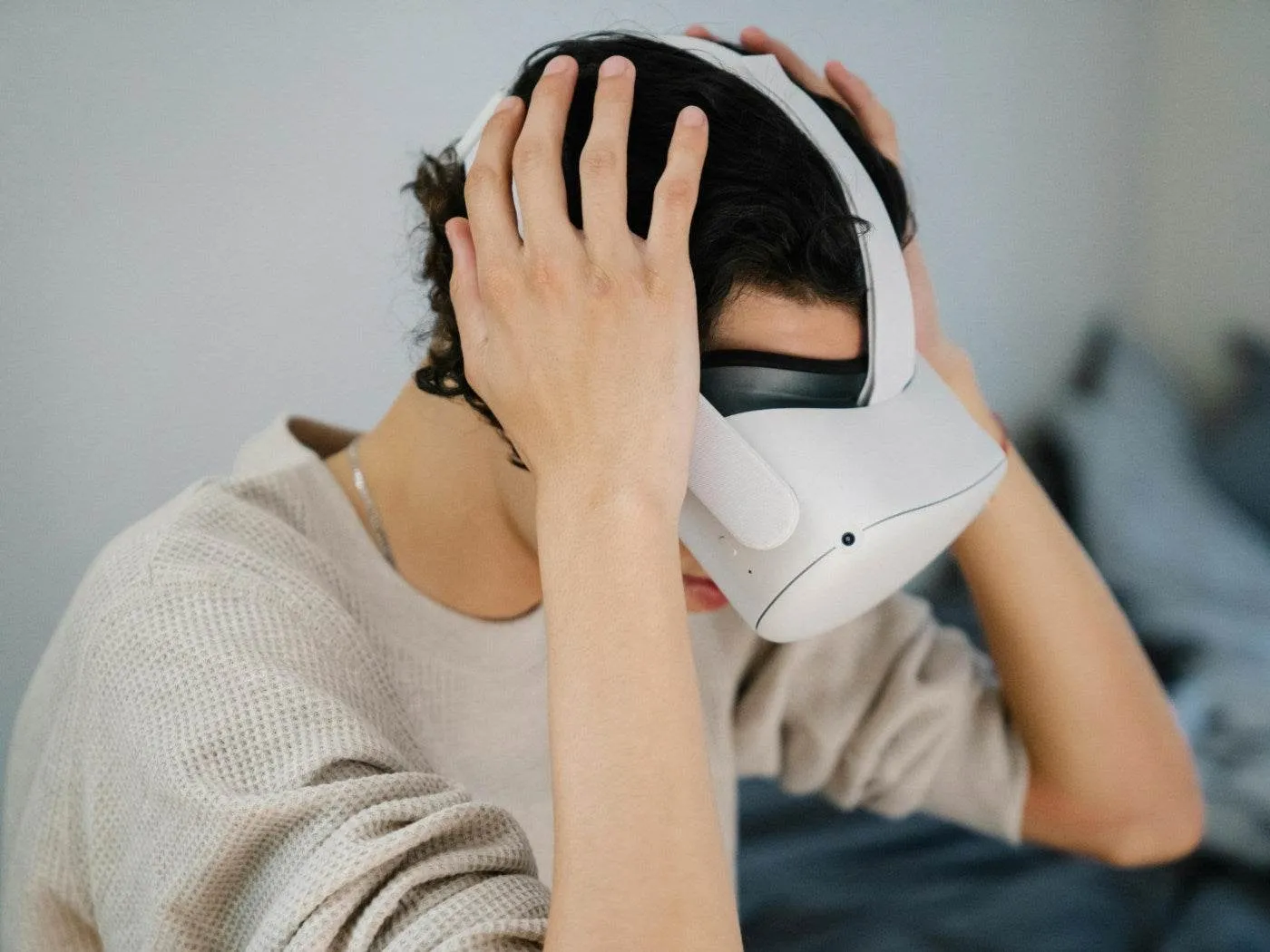
PS VR troubleshooting: adjust fit, focus and IPD to resolve blurry images; apply anti-fog treatments for lens fogging; use comfort settings and breaks to limit discomfort.

Overview of panoramic virtual reality: definition, 360-degree VR panorama presentation methods and sensory interaction for realistic, interactive scene reproduction.
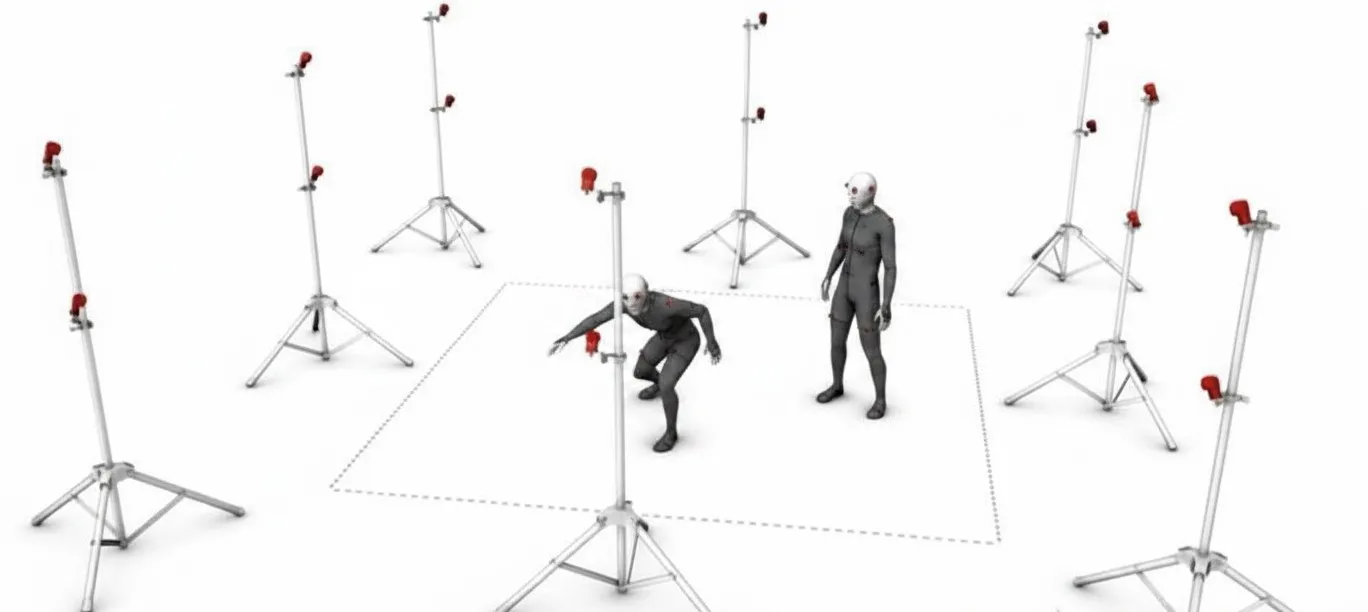
Technical examination of VR optical tracking and pose capture challenges, comparing star tracker and gyroscope errors on the Tong telescope and tracking workflows.

Technical primer on VR motion tracking: explains 6-DOF vs 3-DOF, IMU/inertial and optical tracking methods, sensor fusion tradeoffs, and implications for controllers like Daydream.

White paper: augmented reality testing for connected and autonomous vehicles (CAVs) accelerates scenario-driven validation, reducing cost and time.

XRSLAM: modular C++ visual-inertial odometry (VIO) with IMU–camera fusion, cross-platform builds, real-time mobile performance and EuRoC accuracy evaluation.

Analysis of stray light in AR-HUD systems: external/internal sources, ray-tracing limits, and optical design mitigations such as edge baffling, coatings, tilt.

Technical overview of VR motion-sensing interaction: laser, infrared, visible light, computer vision, and inertial methods with VR tracking and motion capture trade-offs.

Technical overview of the industrial metaverse detailing core technologies (digital twin, AI, CAD, AR/VR, networks), application scenarios, and standards outlook.