 ALLPCB
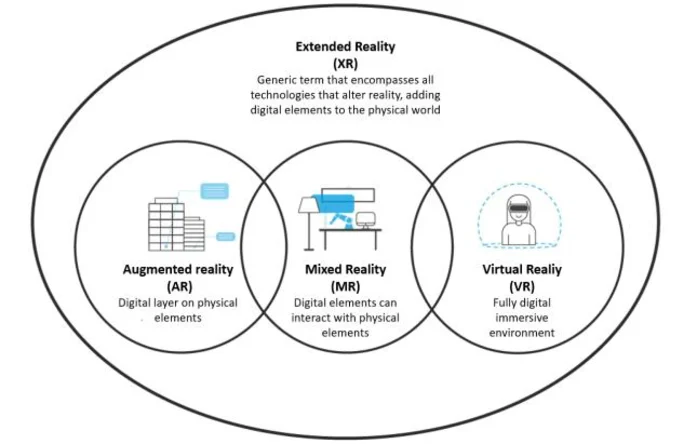
Differences Between VR, AR, MR, and XR
Technical overview of VR and XR, defining differences among reality-interaction technologies, interaction models, and applications in simulation, training and maintenance.



Technical overview of VR and XR, defining differences among reality-interaction technologies, interaction models, and applications in simulation, training and maintenance.
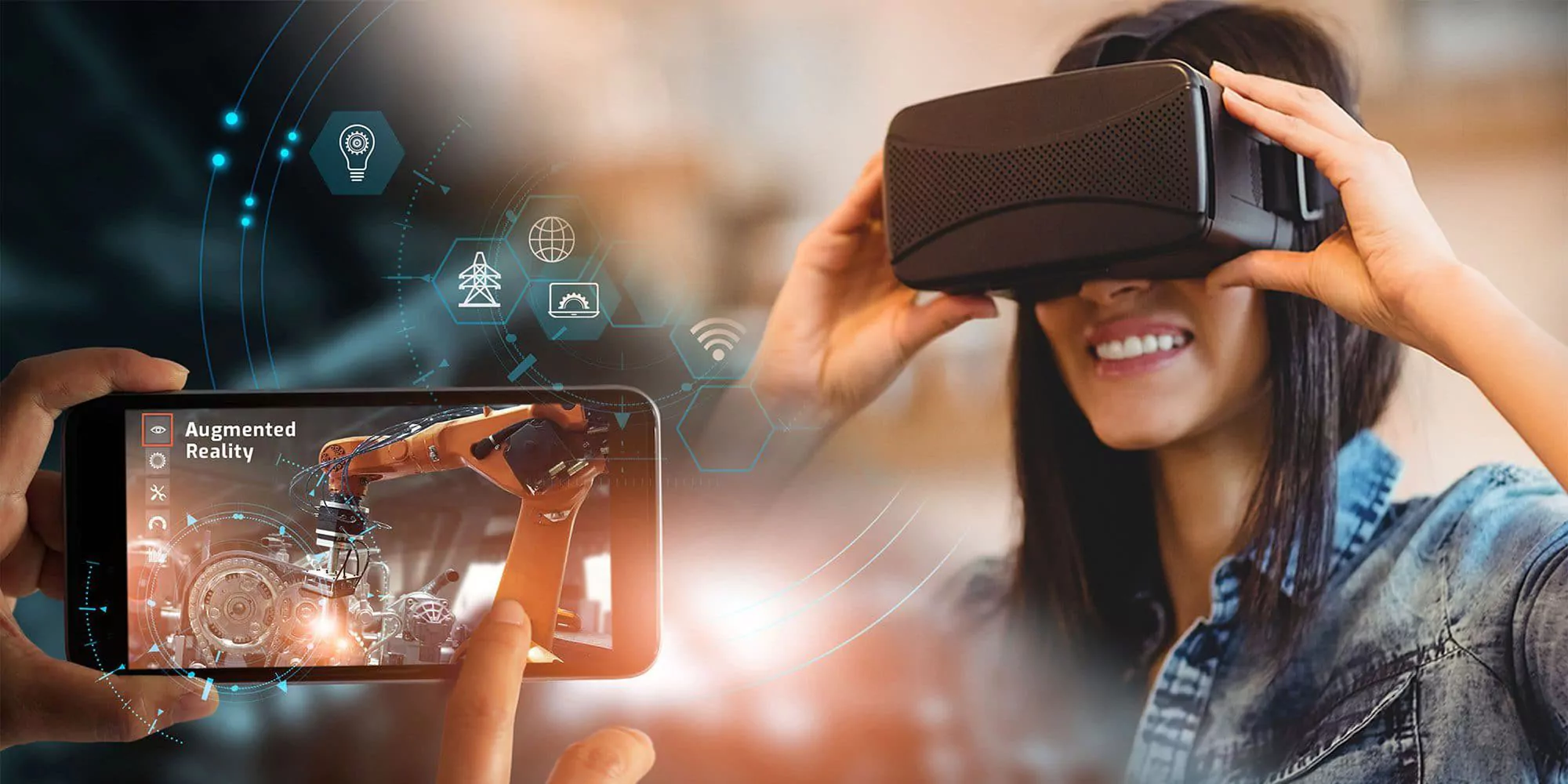
Technical overview of virtual reality: definitions, significance, and core components (computer graphics, sensing, AI, human-computer interaction) for immersive 3D simulation.
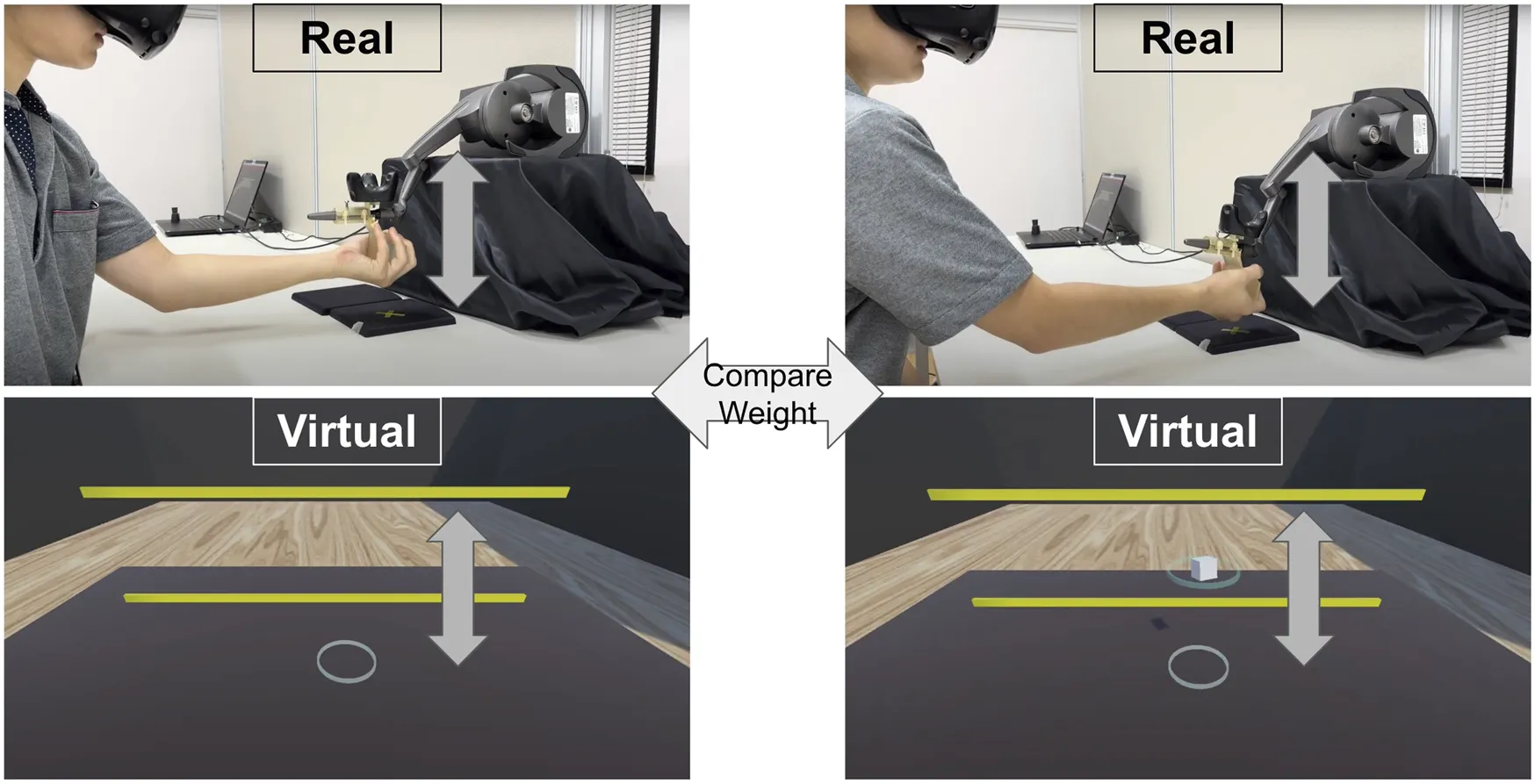
Experimental study of weight simulation in VR interaction: comparing direct and loose attachment models to convey object mass across motion-controller platforms.
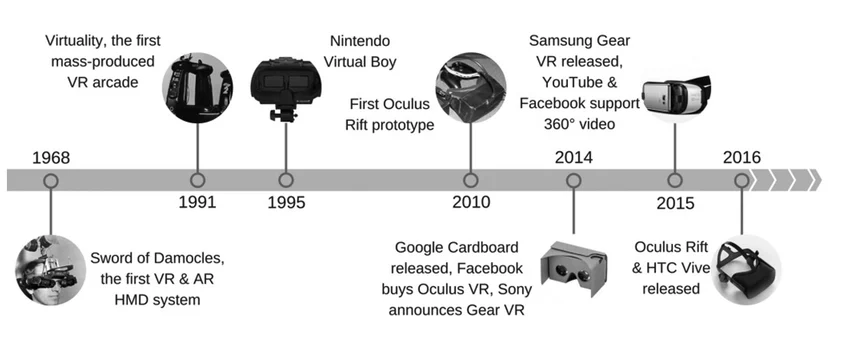
Overview of augmented reality and virtual reality technologies, their consumer and industrial applications, Industry 4.0 impact, market trends and technical challenges.
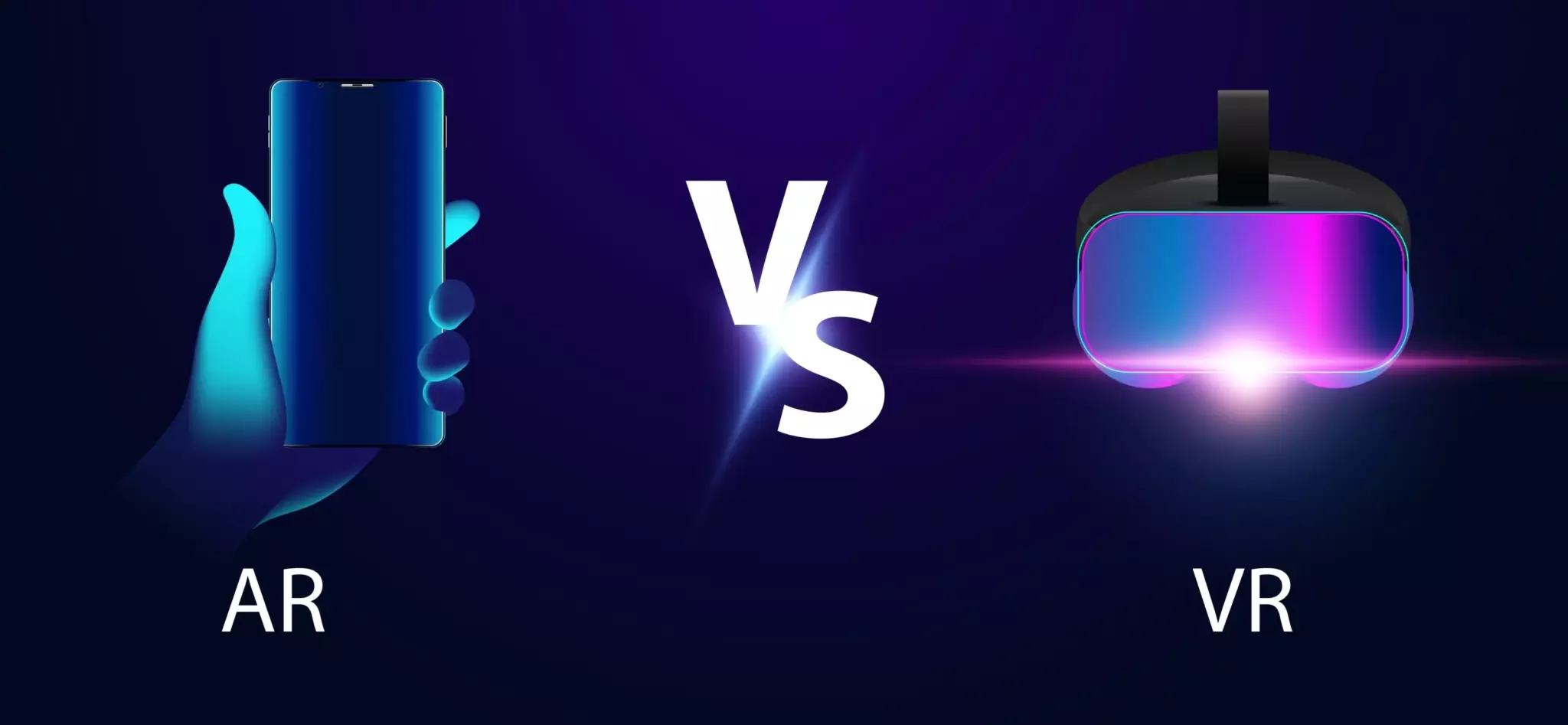
Survey of AR visual localization challenges: scalable SfM map construction, map simplification, long-term matching robustness, and crowdsourced VPS updates.
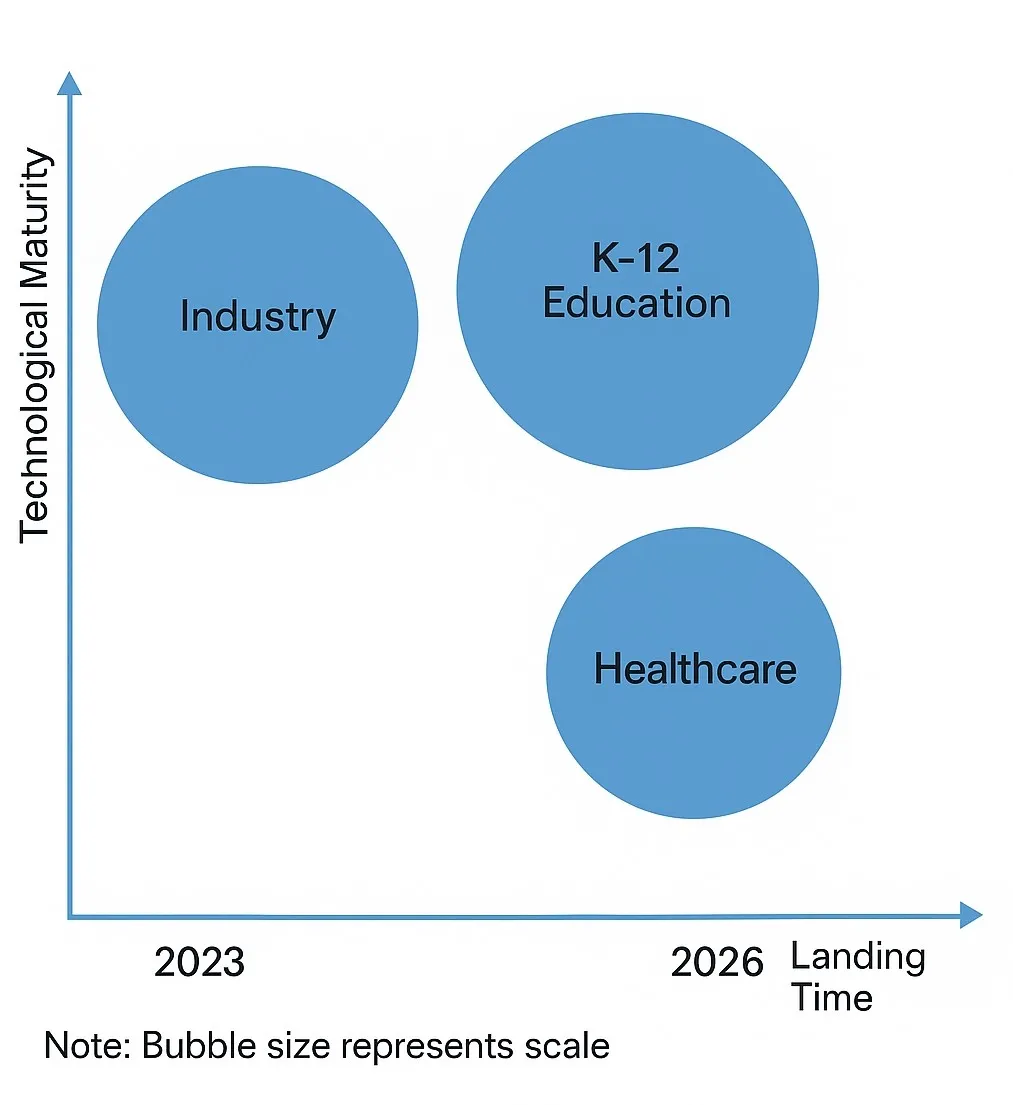
Analysis of the XR market and AR technology maturity, deployment scenarios, and forecasts—covering Apple’s MR headset timing, enterprise use cases, and AR glasses market growth.
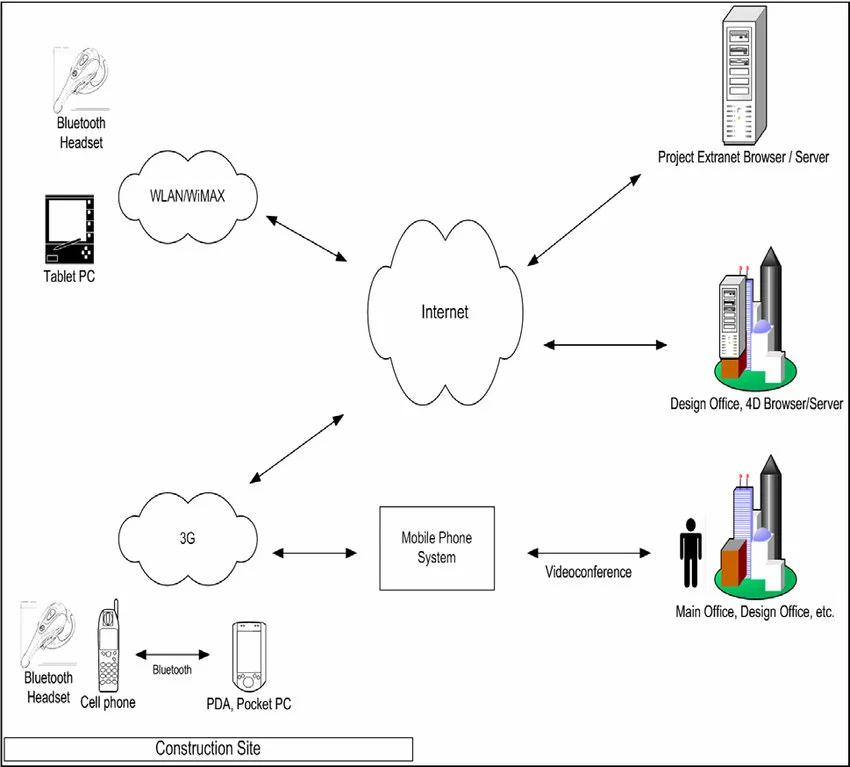
Technical overview of mobile communication over radio waves, covering radio access technologies (GSM, LTE, 5G), modulation, multiplexing, allocation and network infrastructure.
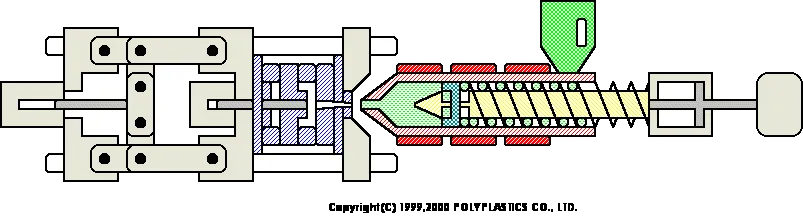
Summary of manufacturing methods for VR/AR headset structural components, covering injection molding, CNC monoblock machining, and compression-injection molding.
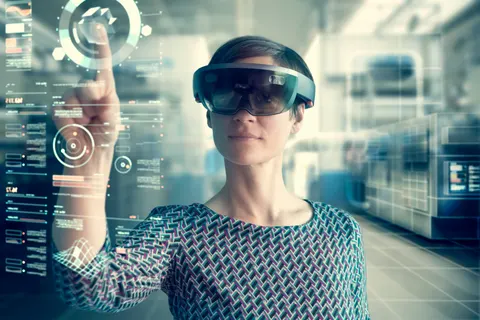
Analysis of how 5G improves XR (AR/VR) interfaces: bandwidth, ultra-low latency, network density and energy efficiency enabling industrial, medical and retail use cases.
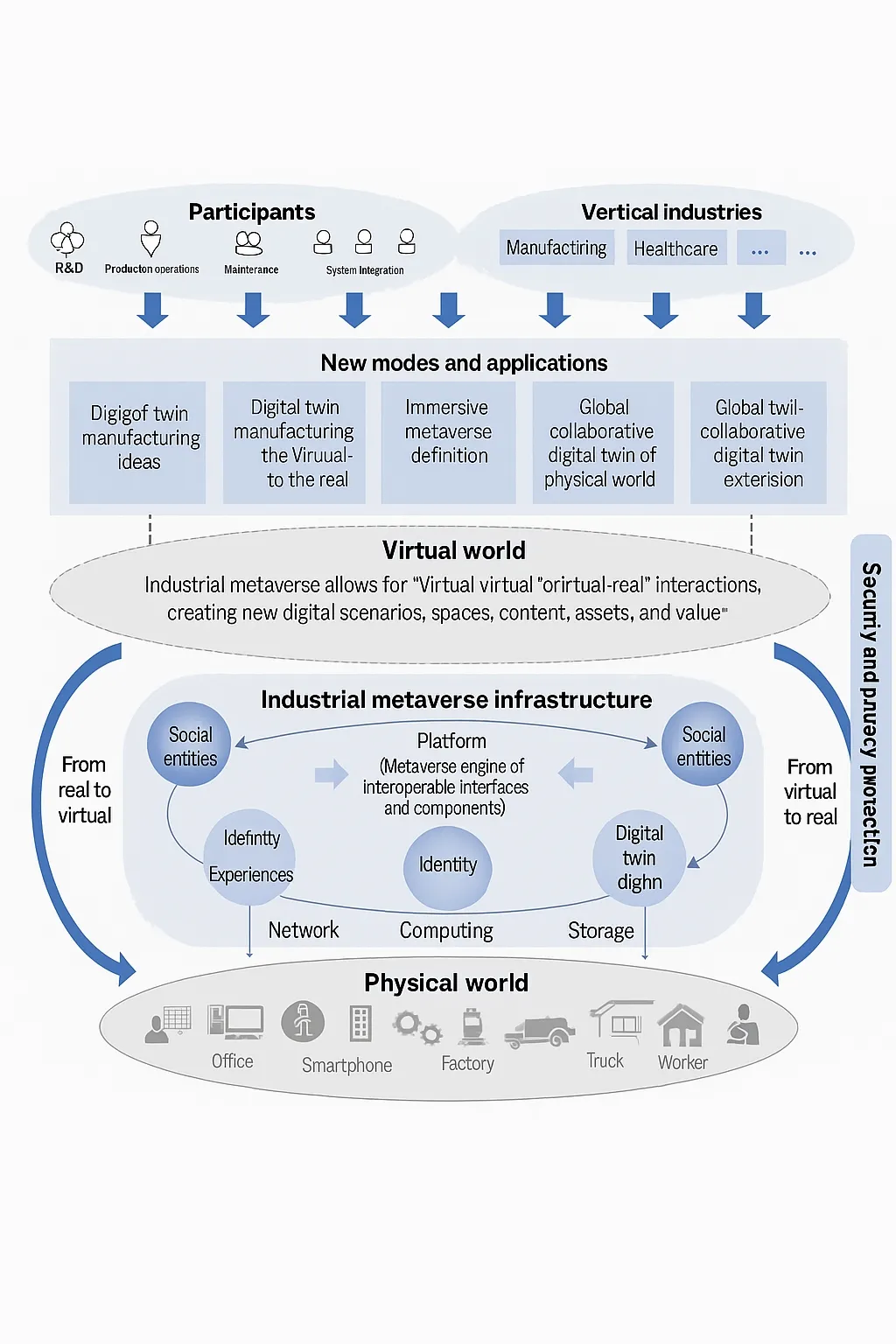
Technical overview of the industrial metaverse: infrastructure, digital twins, identity and asset systems, virtual world mapping, and six industrial application models.