 ALLPCB

Predictive Tracking in VR and AR Headsets
Explains predictive tracking in VR and AR, how motion-to-photon latency is reduced, prediction techniques using velocity, acceleration, and head/eye tracking for accuracy.



Explains predictive tracking in VR and AR, how motion-to-photon latency is reduced, prediction techniques using velocity, acceleration, and head/eye tracking for accuracy.

Technical overview of VR headsets covering components, displays and sensors, with emphasis on head tracking, motion systems and latency considerations for immersion.

Technical overview of virtual reality: history, main VR devices, content development challenges, market trends and outlook for engineers and developers.
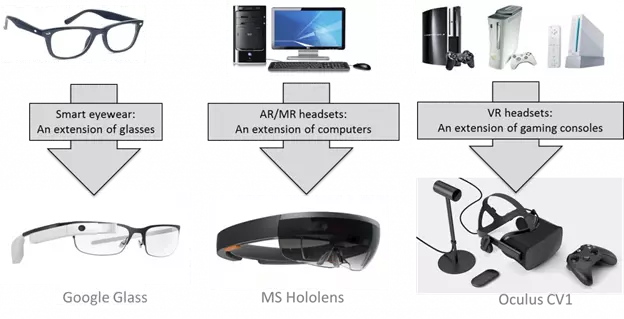
Technical overview of virtual reality and augmented reality: history, device categories, MR/CR distinctions, industry developments, and core interaction and computer vision technologies.

ams OSRAM optical and sensing components for AR/VR: laser modules, proximity and gesture sensors, eye/hand tracking cameras and dToF depth systems for mixed-reality devices.
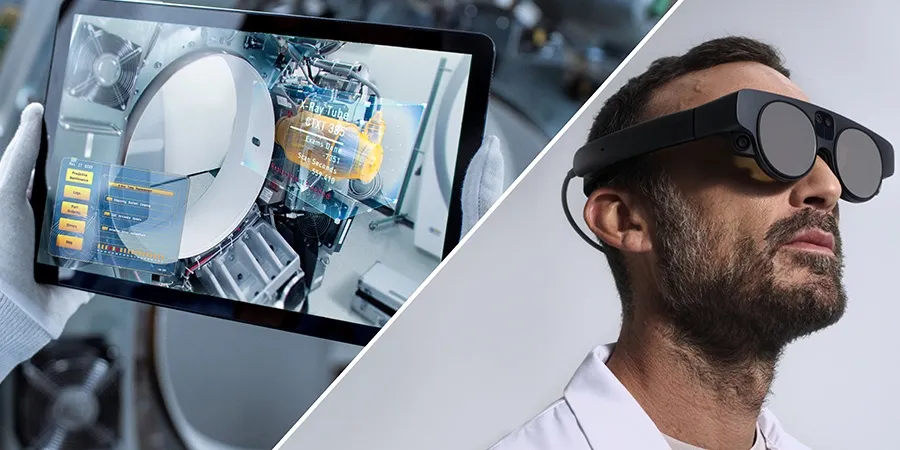
Technical overview of augmented reality displays—video-, optical-, and projection-based types—industry activity, challenges, and the potential of light-field displays

Technical overview of AR-HUD design considerations—FOV, virtual image distance, image quality, and DLP-based solutions for next?generation automotive displays.

Technical overview of artificial intelligence and immersive systems, defining augmented reality, virtual reality, mixed reality and cinematic reality with focus on methods and interaction.

Technical guide to evaluating head-mounted cinema headsets by field of view (FOV) and angular resolution (PPD), showing how to calculate PPD and compare models for film viewing.

Overview of reducing VR motion-to-photon latency using front-buffer rendering, OLED low-persistence displays, asynchronous time-warp, and multimedia synchronization.