 ALLPCB
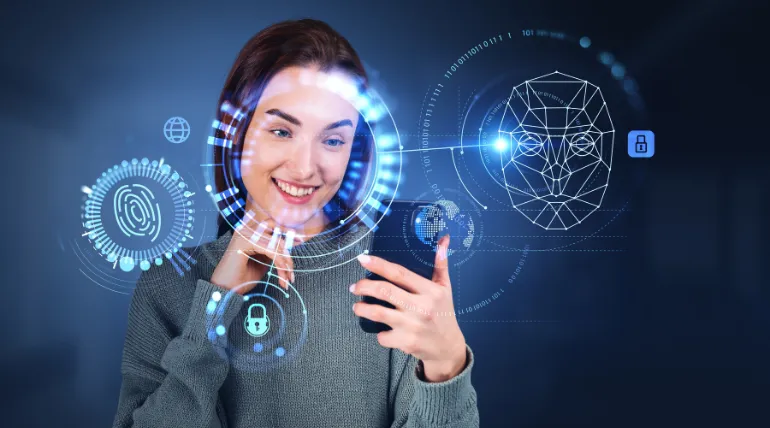
Face vs Fingerprint Recognition: Security, Pros and Risks
Comparison of face recognition and fingerprint recognition: explains biometric principles, security trade-offs, advantages, risks, and implementation considerations for deployment.



Comparison of face recognition and fingerprint recognition: explains biometric principles, security trade-offs, advantages, risks, and implementation considerations for deployment.
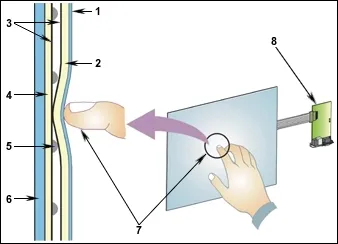
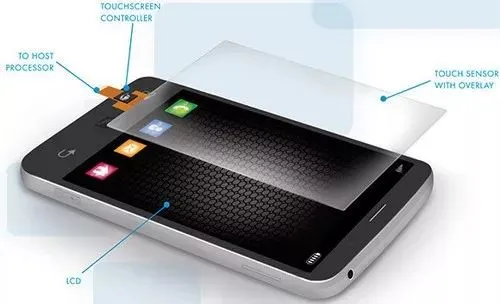
Overview of resistive and capacitive touchscreens: how capacitive touch detection uses coupling capacitance and ITO sensing layers, plus limitations like wet-screen drift.
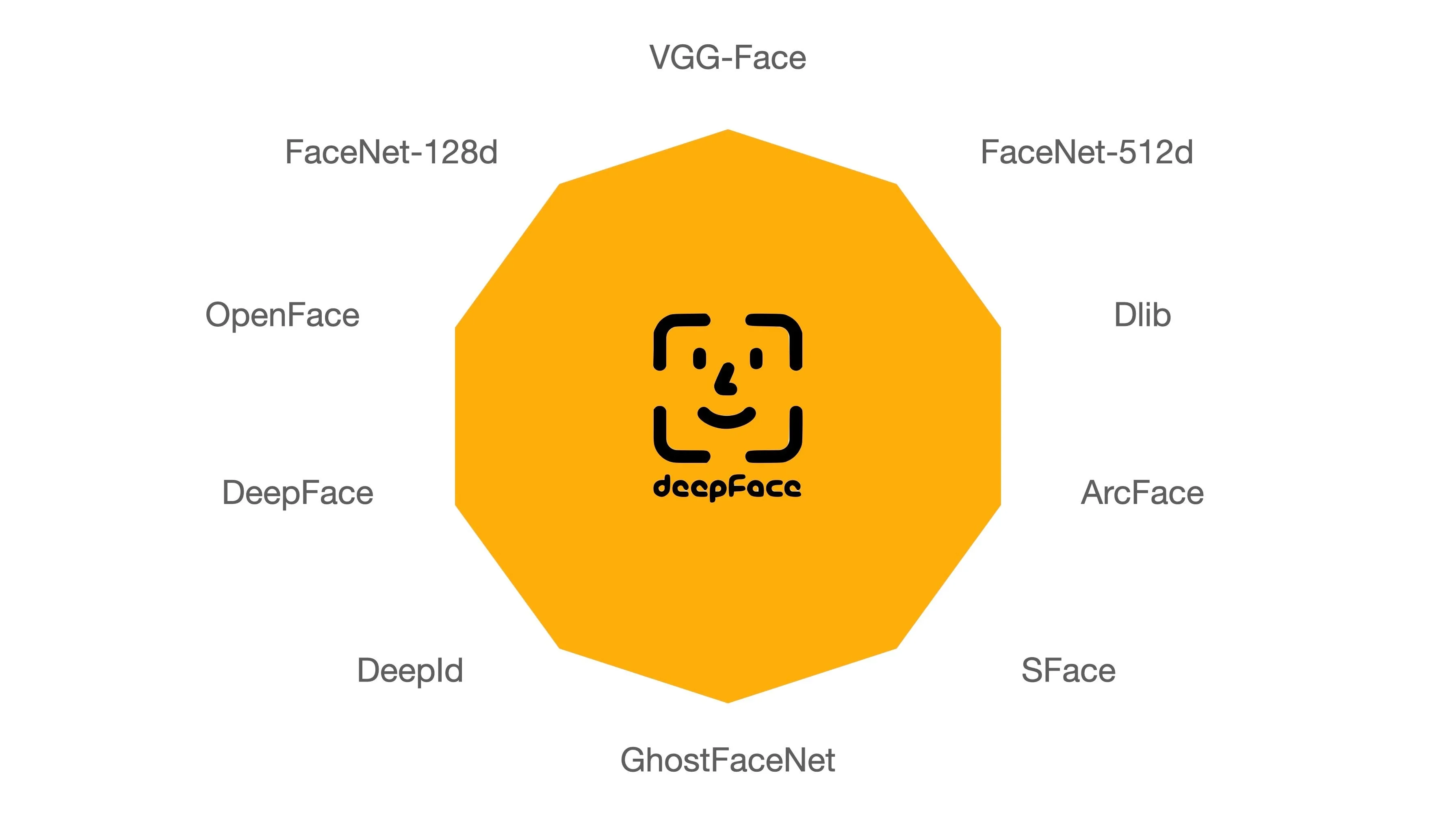
Overview of common face recognition models (VGGFace, FaceNet, ArcFace, OpenFace, Dlib) and the implementation pipeline: detection, feature extraction, matching.
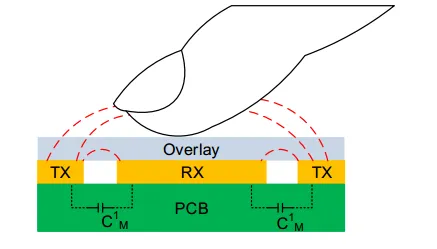
Technical overview of capacitive sensing methods and sensor geometries, explaining self-capacitance and mutual-capacitance principles and 0D-3D touch sensors.

Diagnose and fix intermittent smartphone touchscreen unresponsiveness with six steps: test chargers/outlets, charge from PC, reboot, use recovery mode and avoid unofficial ROMs.
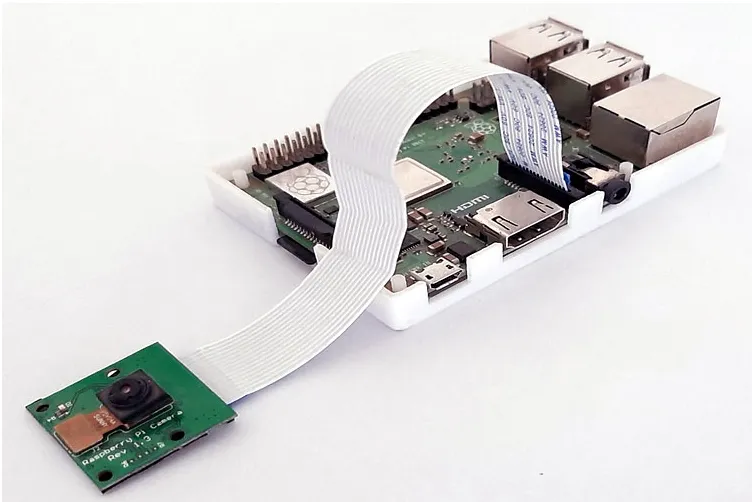
Guide to face landmark detection on Raspberry Pi using OpenCV and dlib: setup, dependency installs, Pi camera capture, and Python code to visualize 68 facial landmarks.
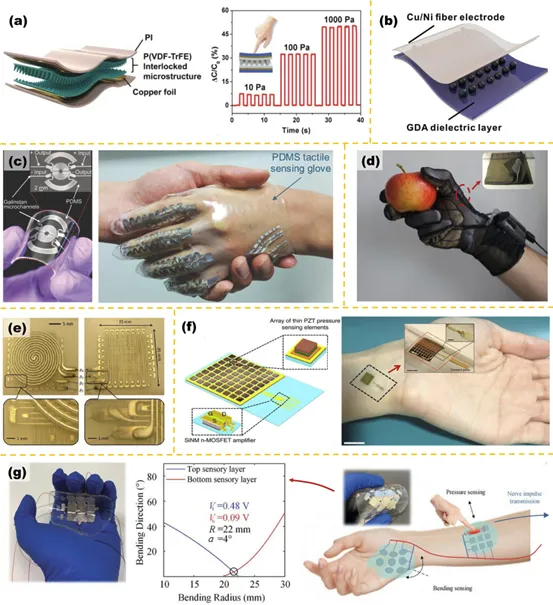
Review of tactile sensing for soft robotic hands: sensor types, sensing modalities, system integration, applications, challenges and research directions.
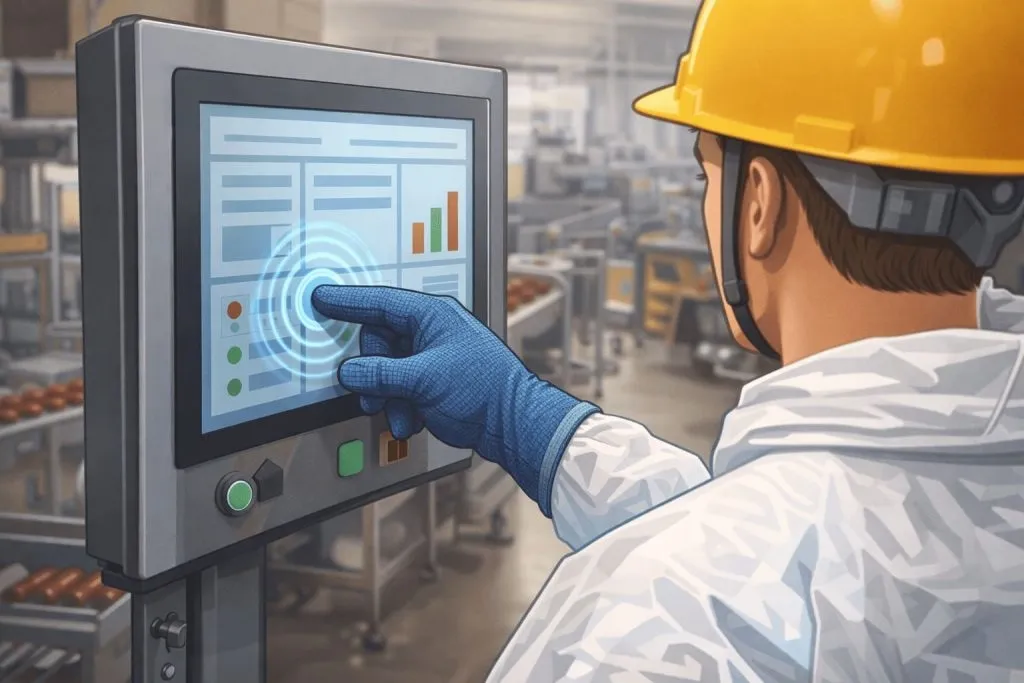
Overview of resistive touchscreen vs capacitive touchscreen operation, stylus input, why nonconductive gloves fail, and water effects on touch and fingerprint sensors.
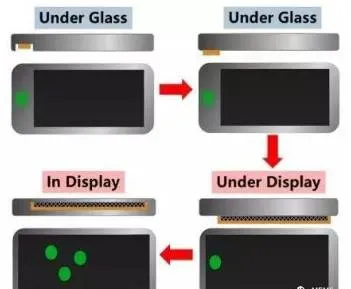
Overview of fingerprint recognition: feature extraction, enrollment/verification, template use, and sensor technologies — optical, capacitive, and ultrasonic.
Overview of hover touch (pre-touch): how capacitive self- and mutual-capacitance sensing enables hover detection on phones, tradeoffs, and practical applications.