 ALLPCB
Monitoring and Inspection Methods for Smart Power Grids
Rail-based inspection robot systems for indoor substation monitoring, covering detection modules, mobility, thermal imaging, sensor data fusion and condition-based maintenance.



Rail-based inspection robot systems for indoor substation monitoring, covering detection modules, mobility, thermal imaging, sensor data fusion and condition-based maintenance.
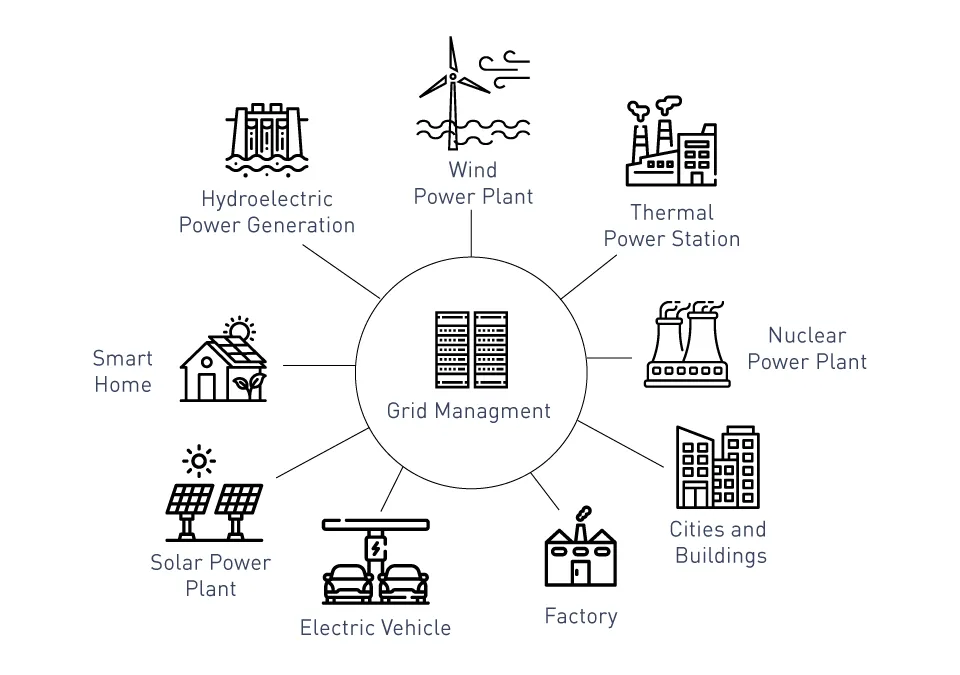
Technical overview of smart grid architecture, energy conversion (generation, transmission, consumption) and optimization for stability, security, reliability, efficiency.
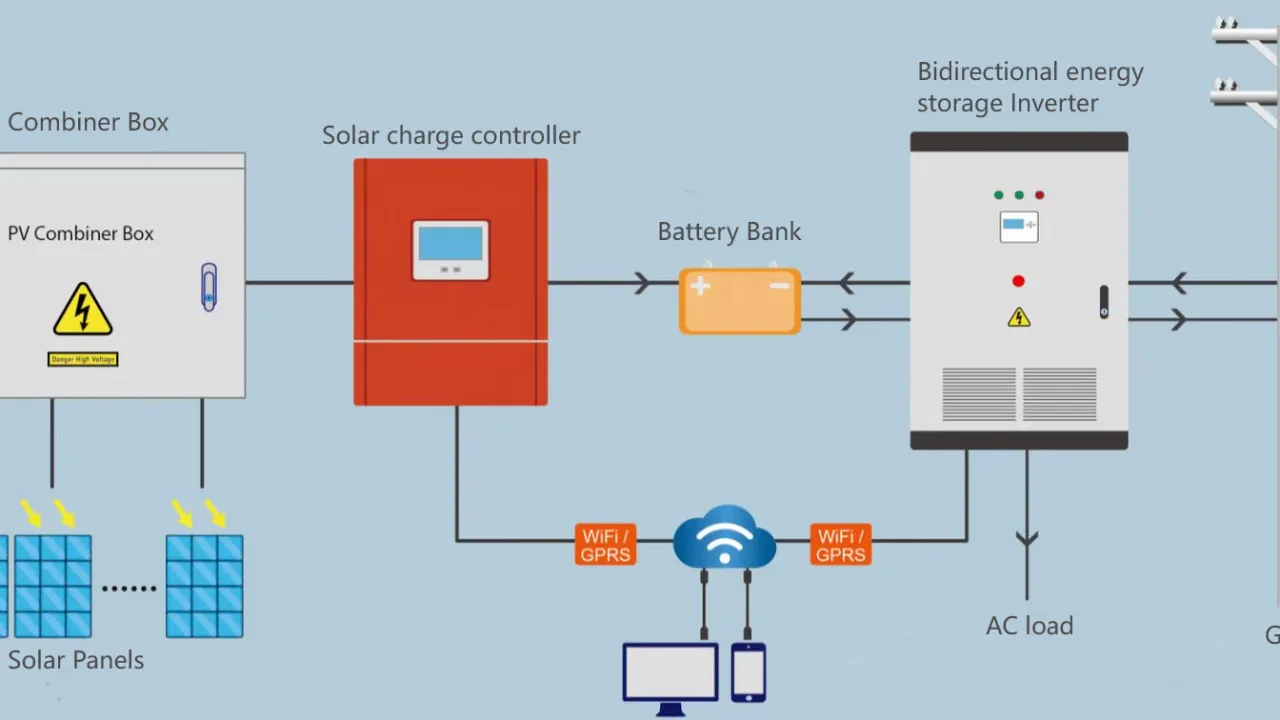
Technical overview of energy storage inverter functions and performance, covering unbalanced output, seamless outage transfer, remote control, and protocol compatibility.
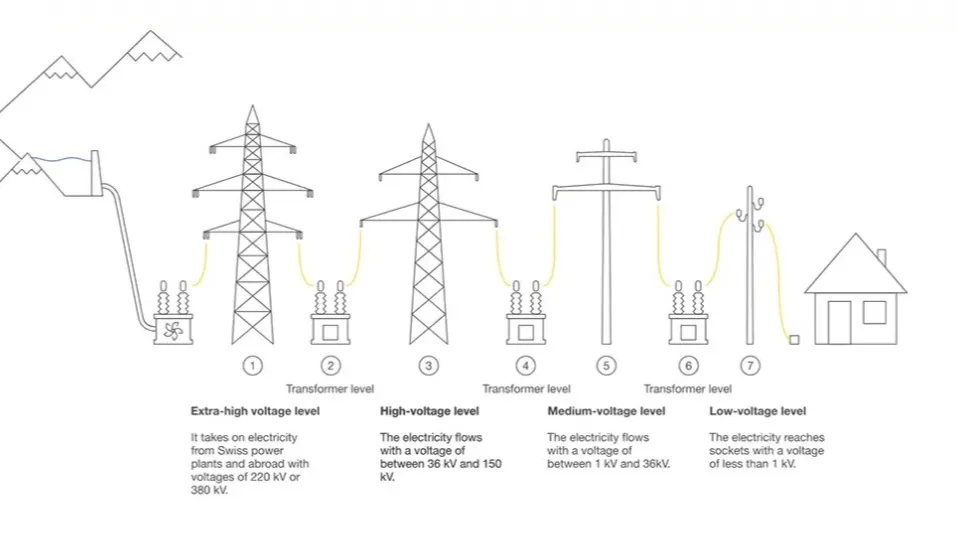
Smart grid medium- and low-voltage communication access requirements: high-speed, reliable, bidirectional, secure, scalable networks with bandwidth and management considerations.
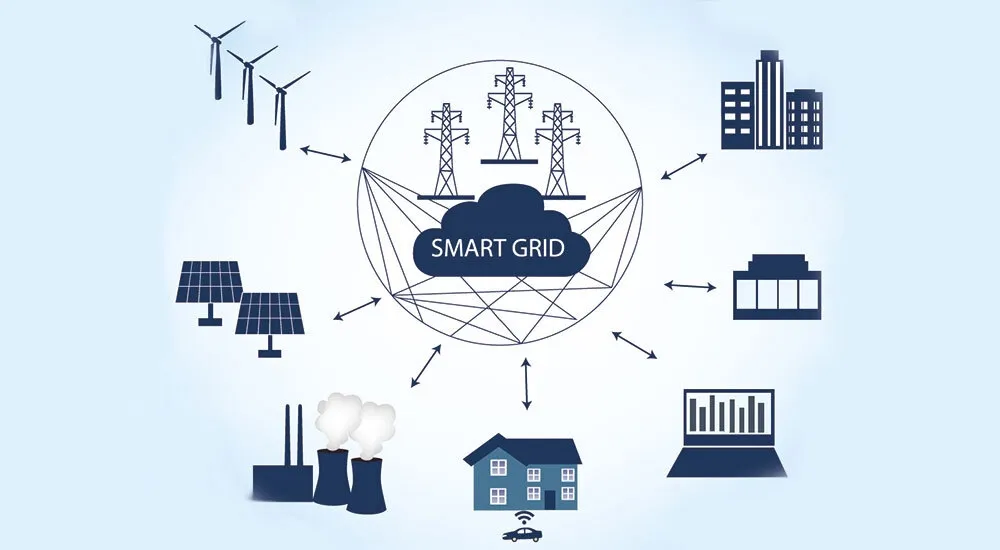
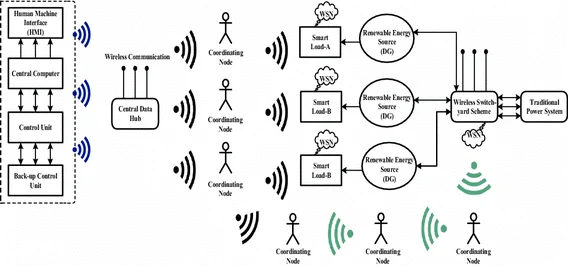
Summary of smart grid capabilities and roles: self-healing, interoperability, real-time monitoring, energy optimization, and integration of renewable sources.
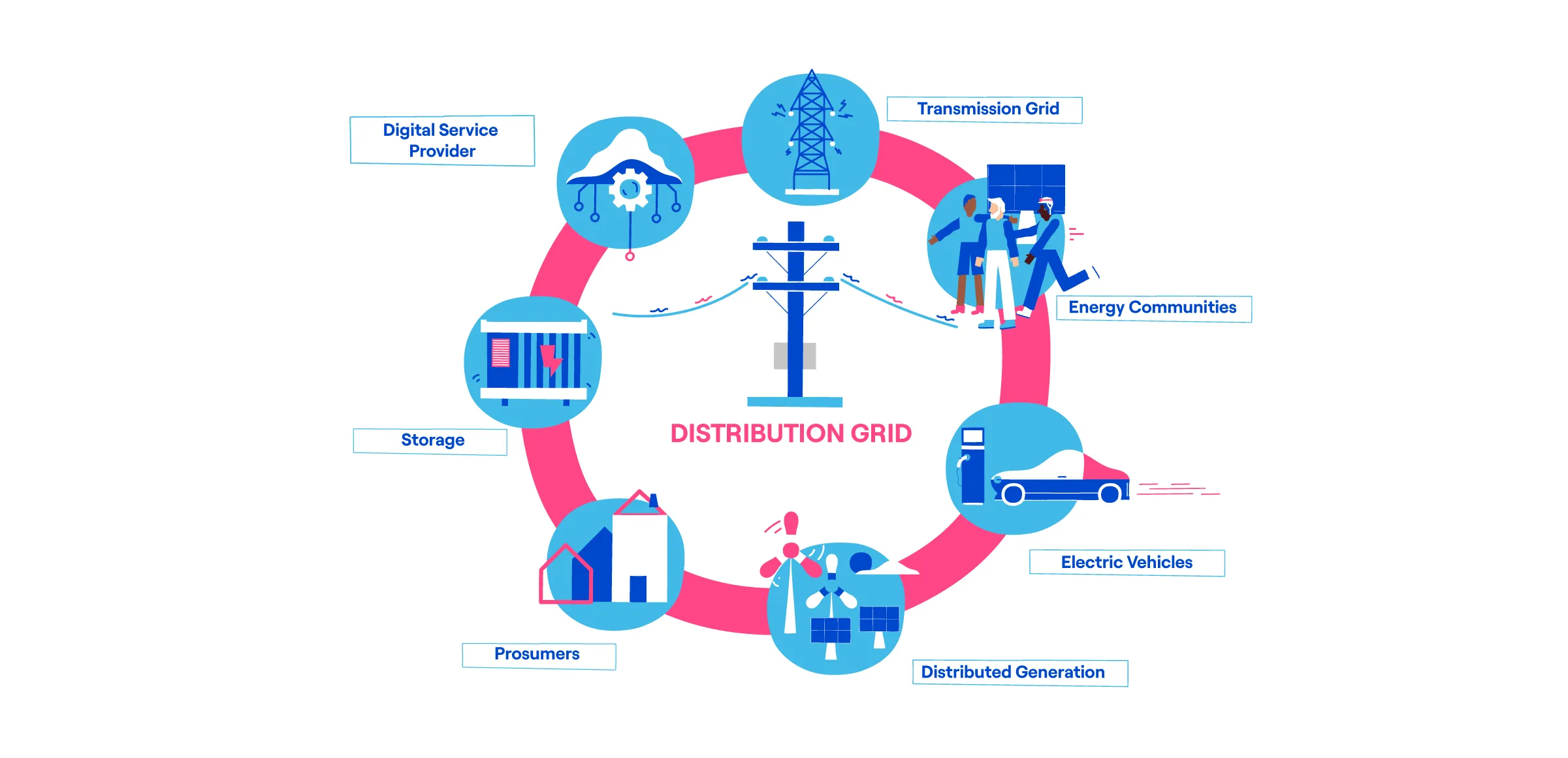
Overview of smart grid architecture, key technologies and objectives: high-speed communication, advanced sensing, control, renewable energy integration, and system optimization.
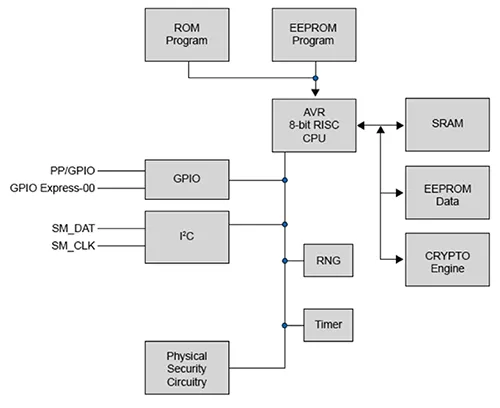
Overview of IoT security practices including secure boot, digital signatures, PKI, data encryption, and use of embedded Trusted Platform Module (TPM) hardware for device identities.
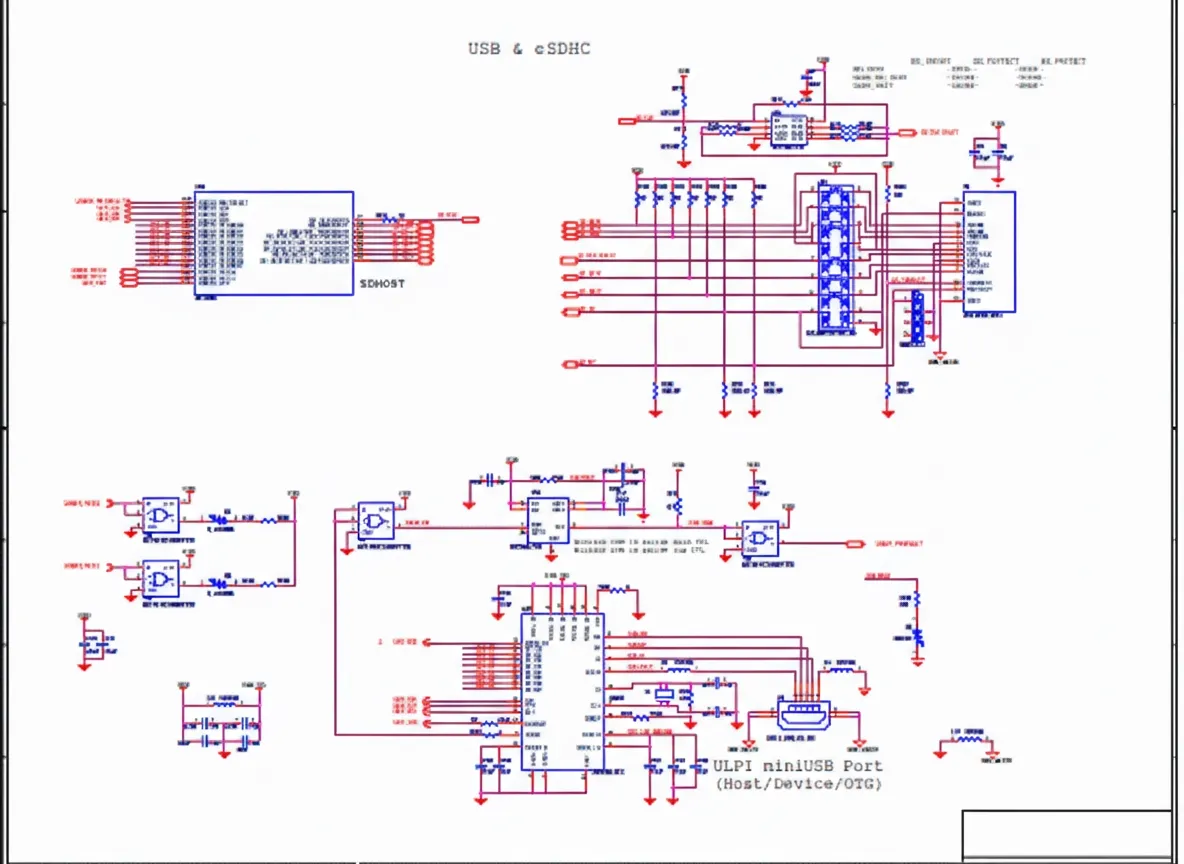
Technical overview of the Freescale MPC8308 PowerQUICC II Pro processor and MPC8308-RDB reference design, detailing e300 core, interfaces, DDR2, PCIe, Ethernet and BSP.

Analysis of renewable energy integration challenges and smart grid solutions, covering variability, reliability metrics (SAIDI/SAIFI), and distributed generation strategies.
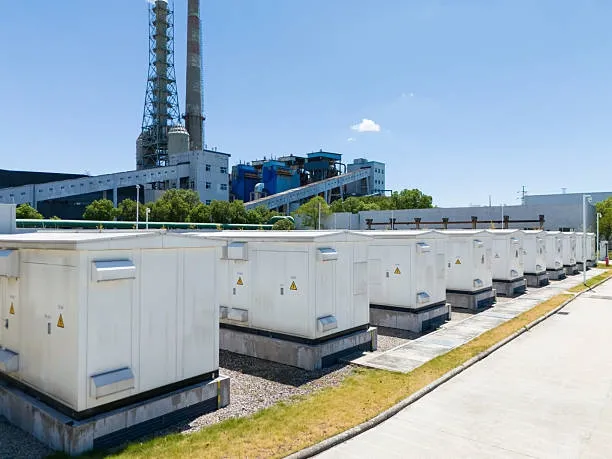
Overview of 250 kWh–2 MWh energy-storage container: AC distribution, UPS-backed circuits for BMS/fire systems, explosion-proof lighting, grounding and mounting specs.