 ALLPCB
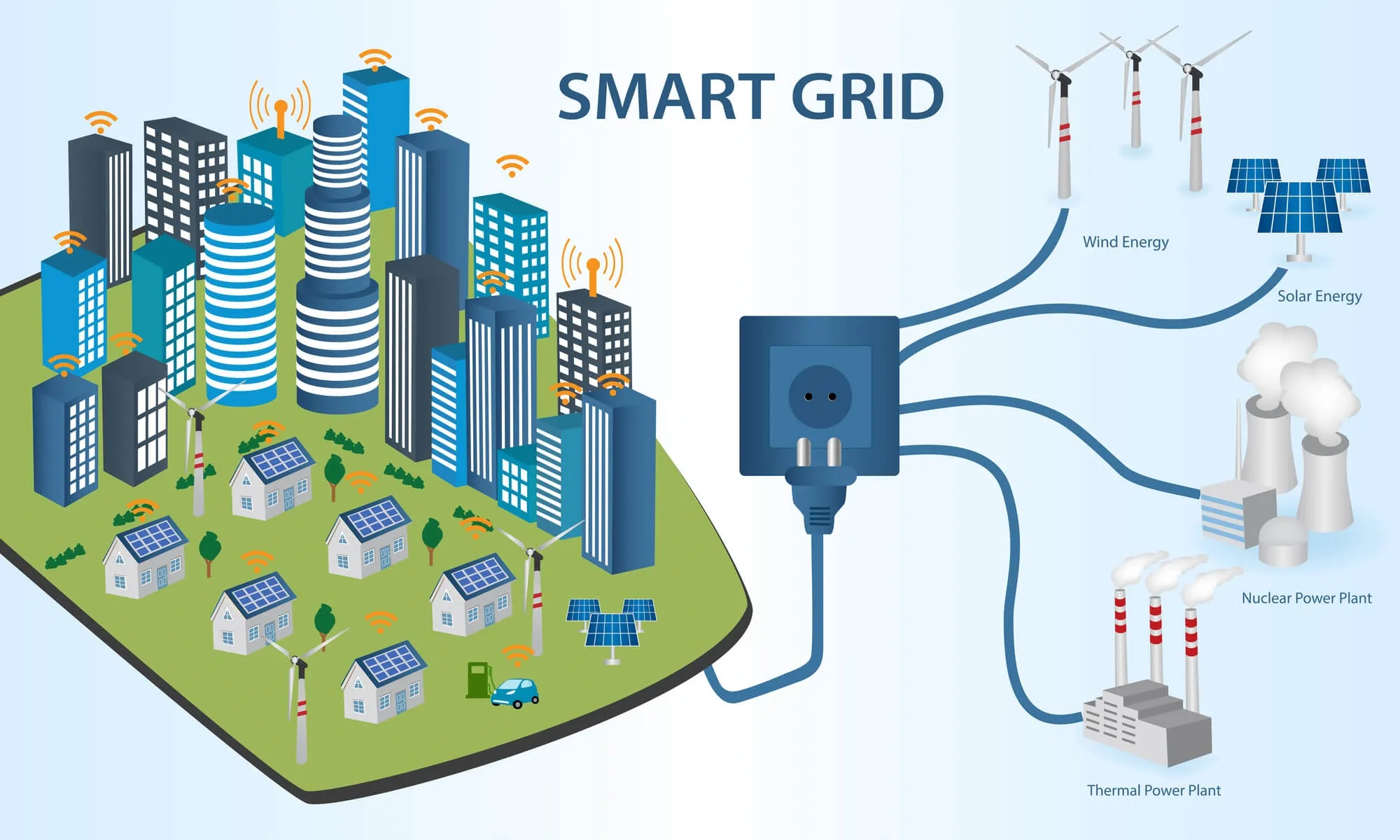
Key Features of Smart Grids and Energy Storage Methods
Overview of smart grid architecture and features, covering intelligent sensing, transmission, dispatch and control, plus energy storage methods and renewable integration.



Overview of smart grid architecture and features, covering intelligent sensing, transmission, dispatch and control, plus energy storage methods and renewable integration.
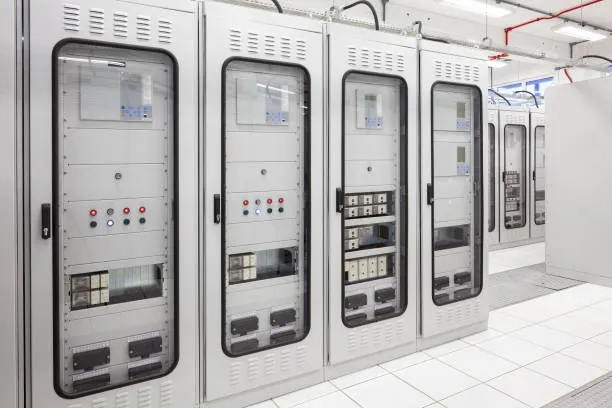
Grid digital transformation and fully automated switchgear: AI-enabled digitized devices for fault detection, protection, and automated distribution network control.
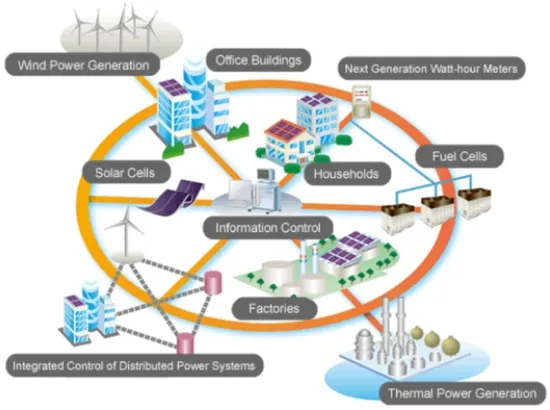
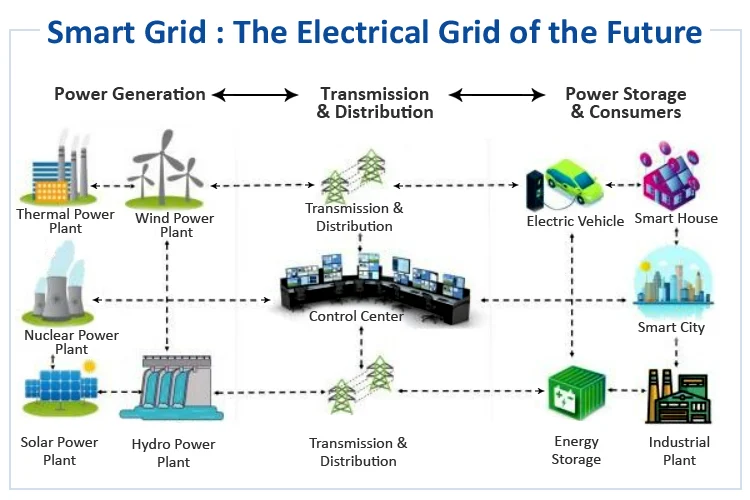
Smart grid summary: data-driven, multi-layer electrical grid architecture enabling distributed generation, dynamic planning, energy management and autonomous fault detection.
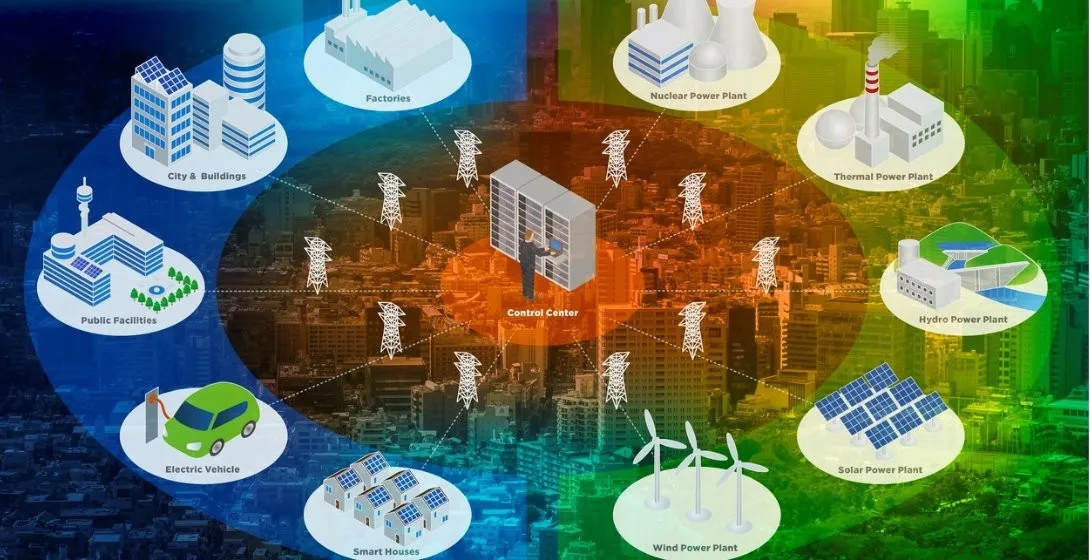
Challenges for smart grid deployment: increased infrastructure needs, missing communications and interoperability standards, cybersecurity gaps, and distributed generation planning.
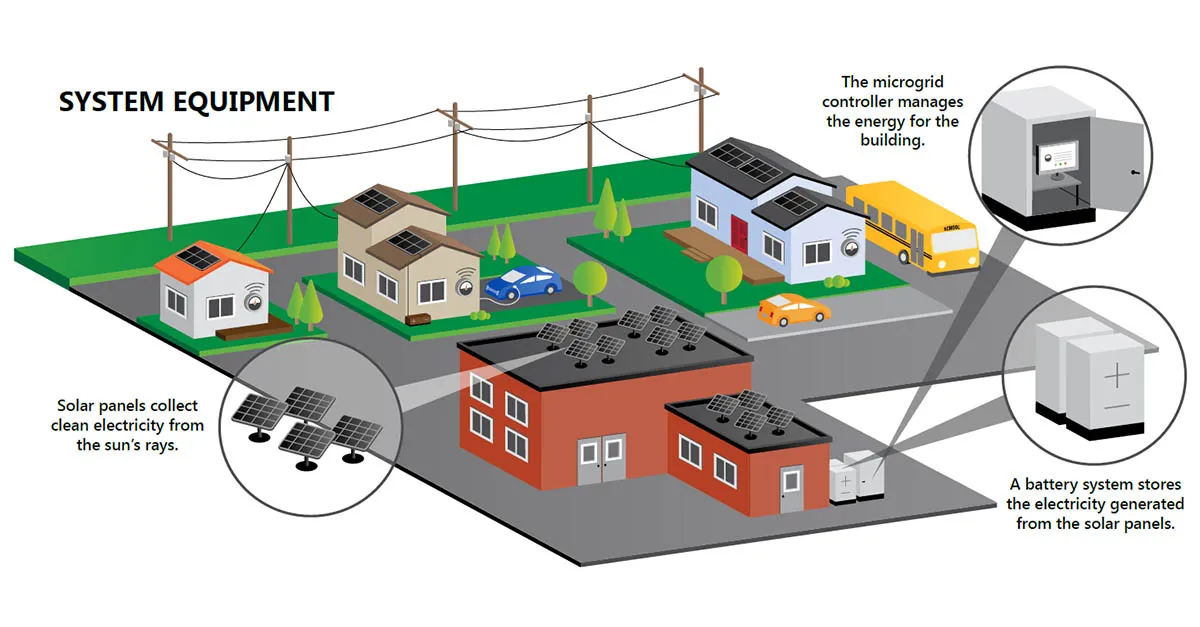
Microgrid energy storage systems overview: functions such as energy balancing, peak shaving, voltage/frequency stabilization, and bi-directional power flow for renewable microgrids.
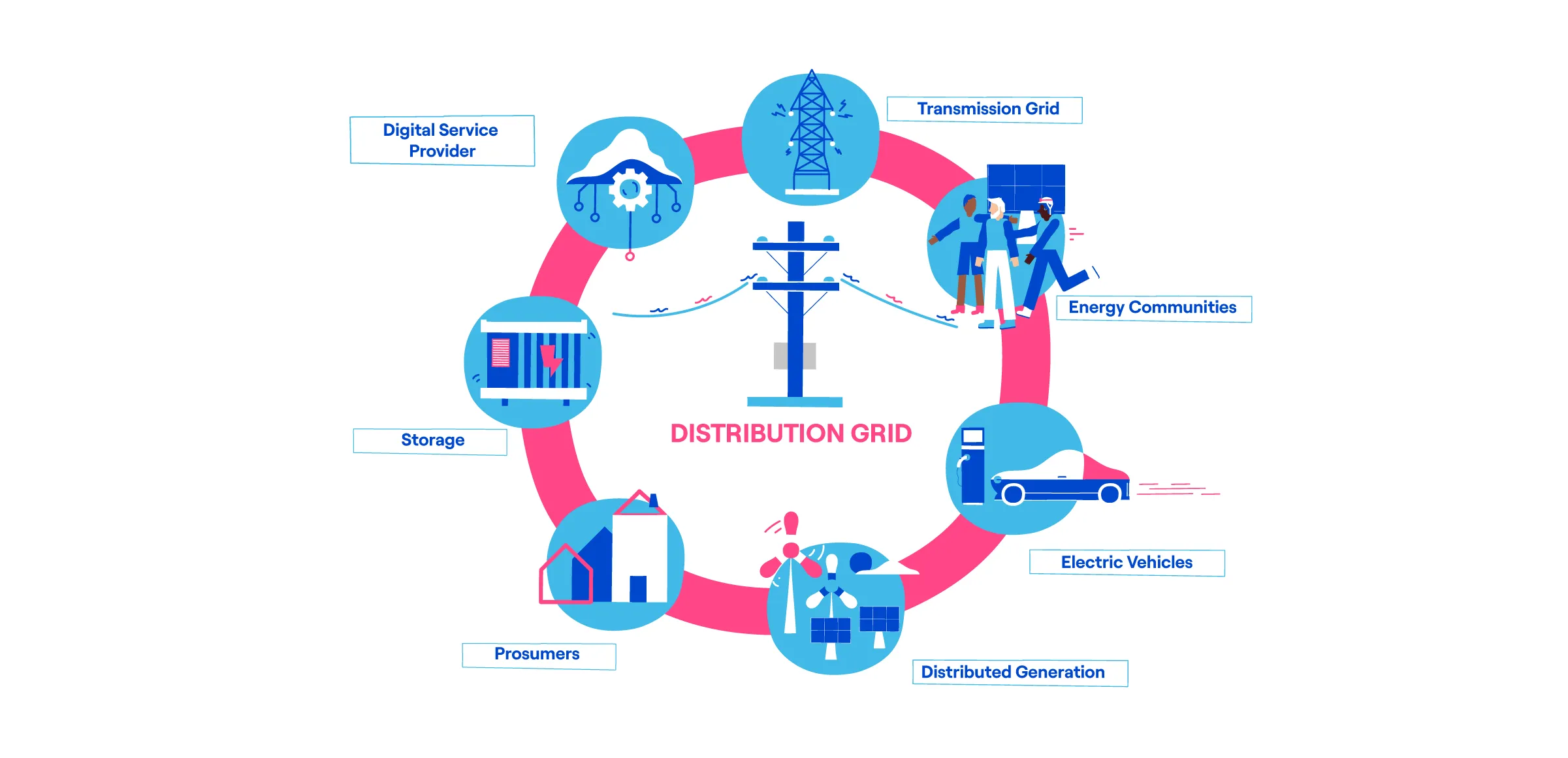
Technical overview of smart grid architecture, functions and trends, covering real-time monitoring, control, distributed energy integration, storage and intelligent charging.
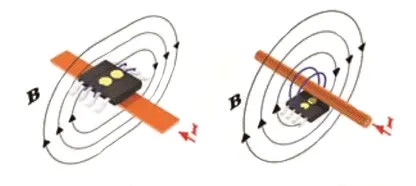
Technical comparison of current measurement: current transformers and Rogowski coils; discusses Hall-effect sensors, accuracy, installation, and signal conditioning.
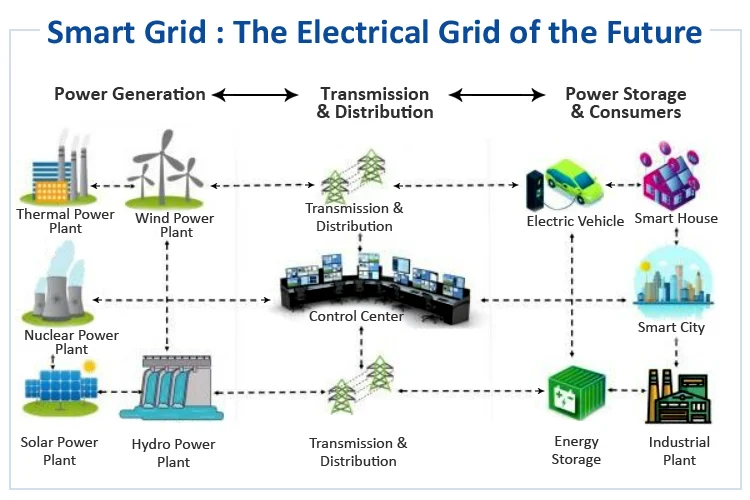
Technical overview of the smart grid, covering renewable energy integration, two?way communications, adaptive operation and data analytics for grid optimization.
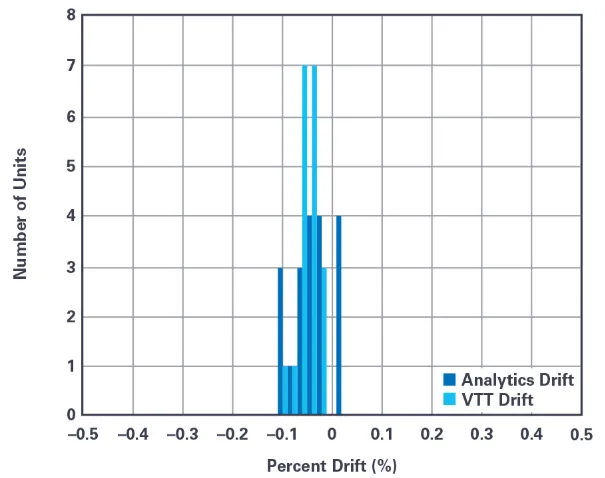
Field trial of mSure technology and cloud-based analytics to continuously monitor meter accuracy and detect shifts in deployed smart meters for utilities.
Technical overview of China's smart grid: 3D substation mapping, data collection, 5G connectivity, big data and AI analytics, distributed energy integration and market evolution.