 ALLPCB
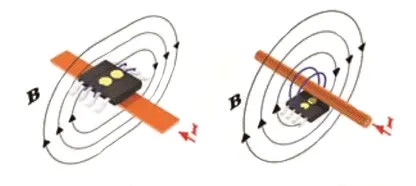
Measuring Energy on Smart Grids with Sensor Technologies
Technical comparison of current measurement: current transformers and Rogowski coils; discusses Hall-effect sensors, accuracy, installation, and signal conditioning.



Technical comparison of current measurement: current transformers and Rogowski coils; discusses Hall-effect sensors, accuracy, installation, and signal conditioning.
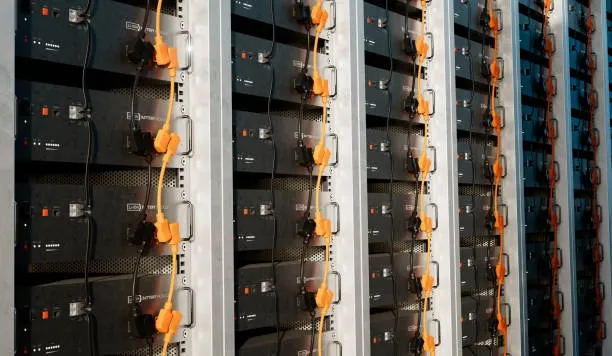
Power distribution for LED screens: calculate screen power, size the distribution cabinet, select three-phase five-wire bus conductors and allocate cabinet loads.
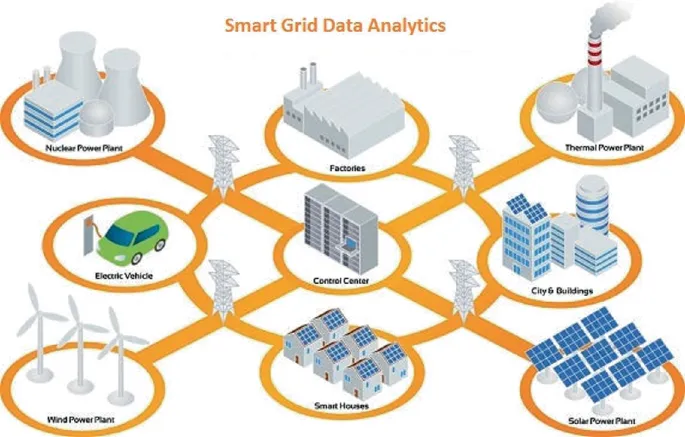
Smart grid overview of core technologies and management, including intelligent sensing, AI coordination and renewable energy integration for secure, efficient power.
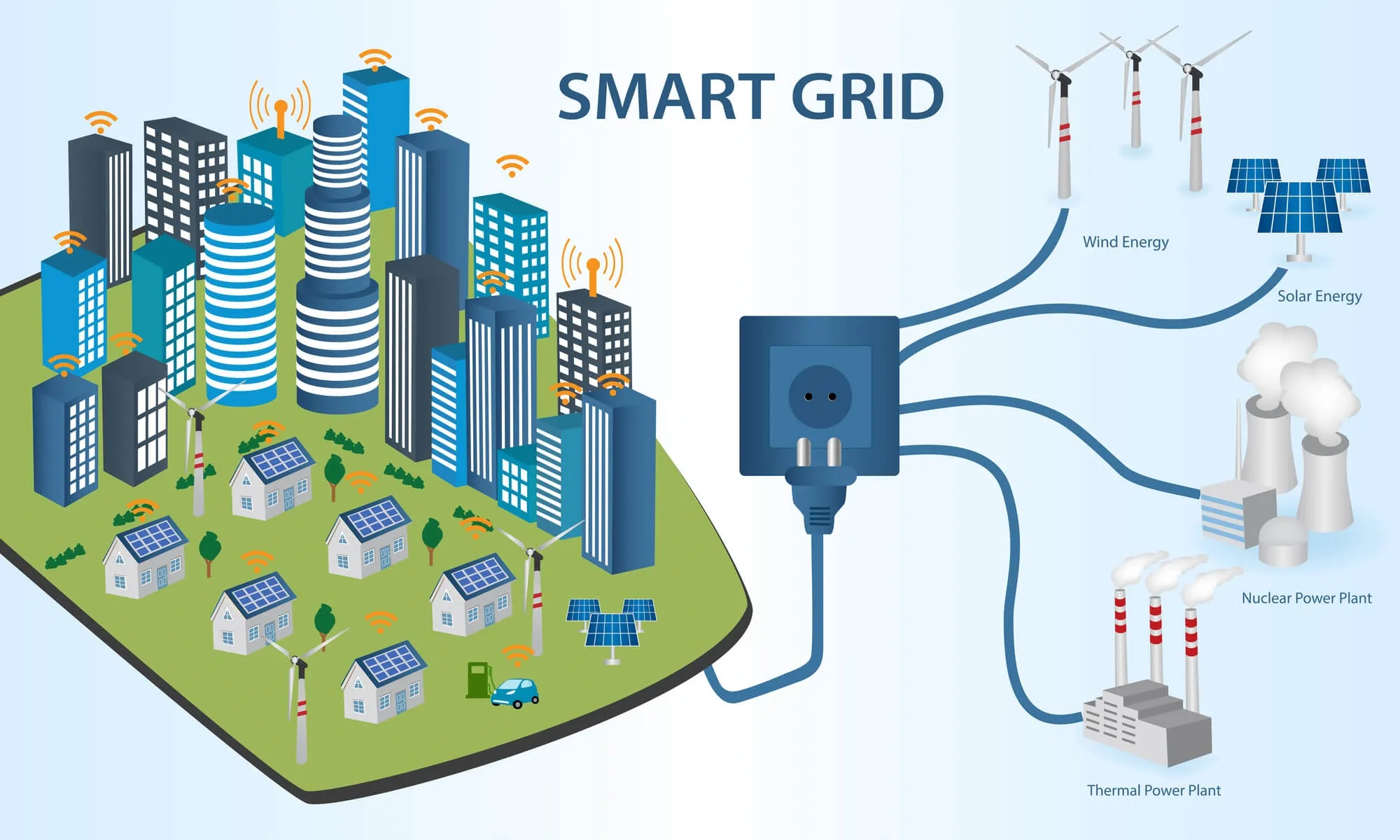
Overview of smart grid architecture and features, covering intelligent sensing, transmission, dispatch and control, plus energy storage methods and renewable integration.
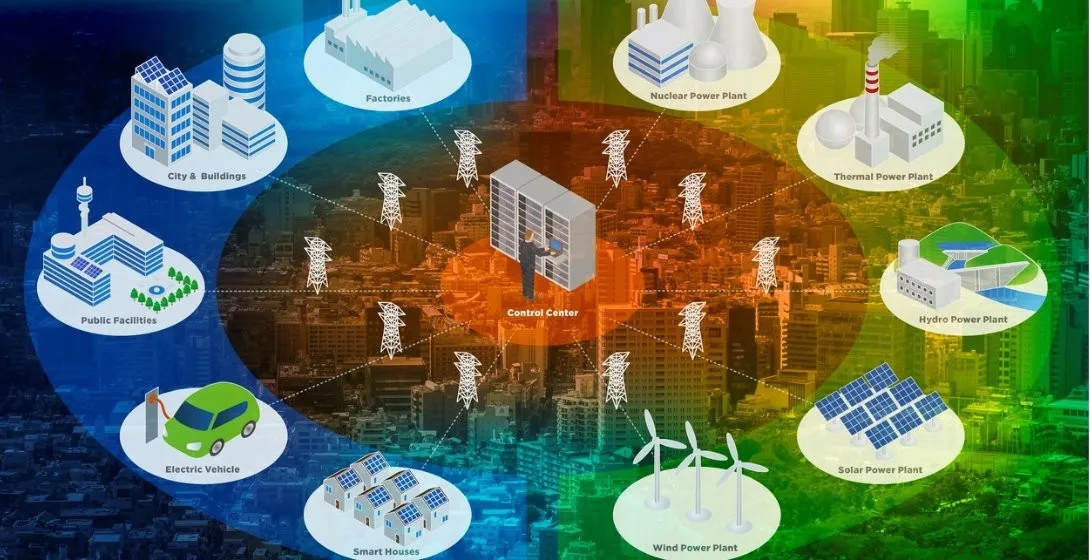
Challenges for smart grid deployment: increased infrastructure needs, missing communications and interoperability standards, cybersecurity gaps, and distributed generation planning.
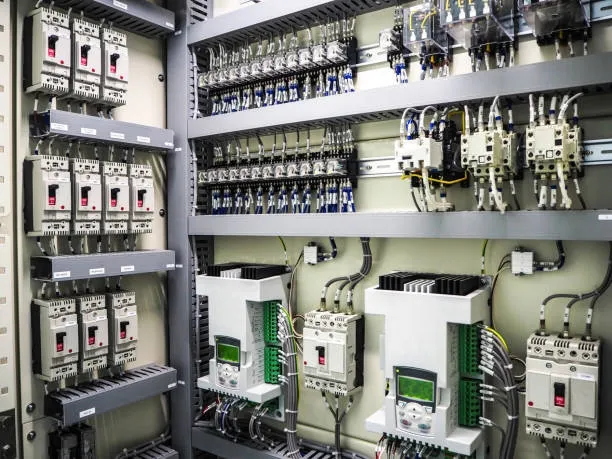
Identification and technical overview of a three-phase autotransformer in a distribution cabinet, covering working principle, structural features, and voltage regulation use cases.
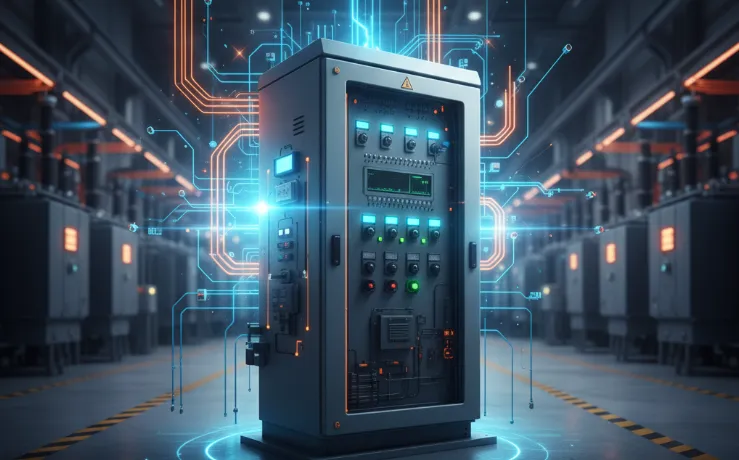
Comparison of PFC cabinet installation upstream vs downstream in a distribution room, assessing through-busbar capacity, ambient temperature impact, and correction effectiveness.
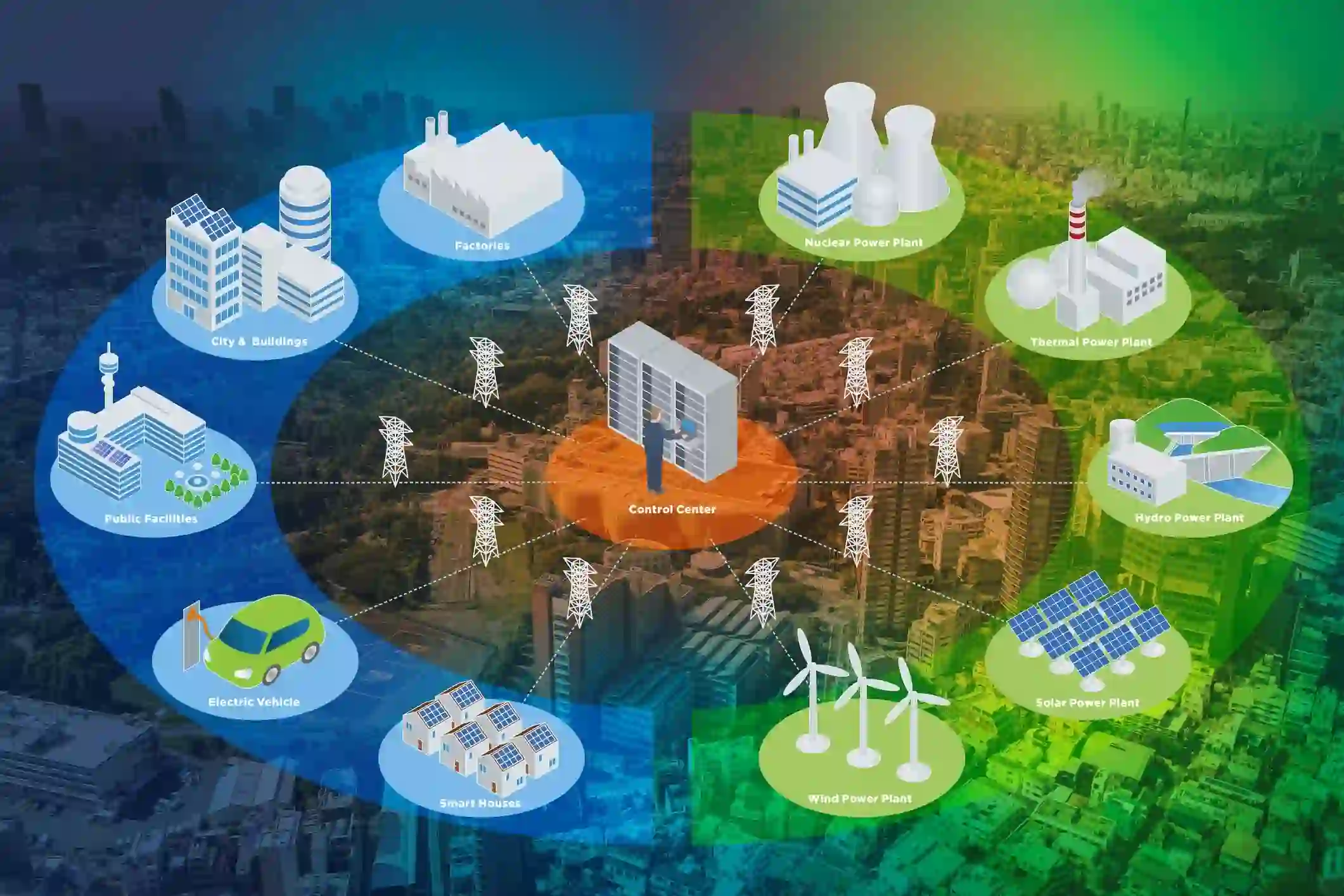
Technical overview of smart grid concepts, operation, and applications, covering renewable integration, energy storage, intelligent sensing, data-driven control and microgrids.
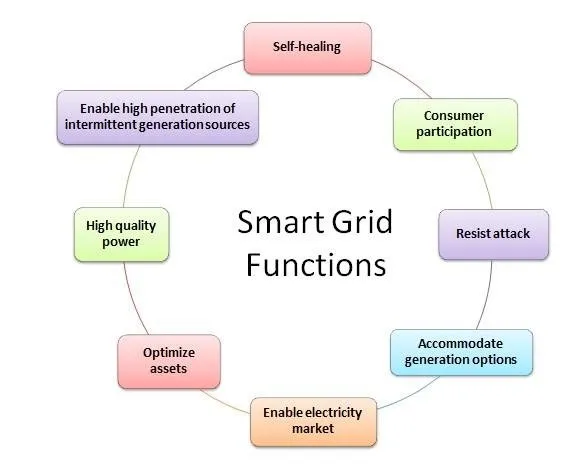
Technical overview of smart grid functions—reliability, energy management, power quality, security, renewables, and key differences with microgrid in scope and control.

Explore trends in electrification and energy management, from smart grids to renewable energy and AI-driven innovations in power systems.