 ALLPCB
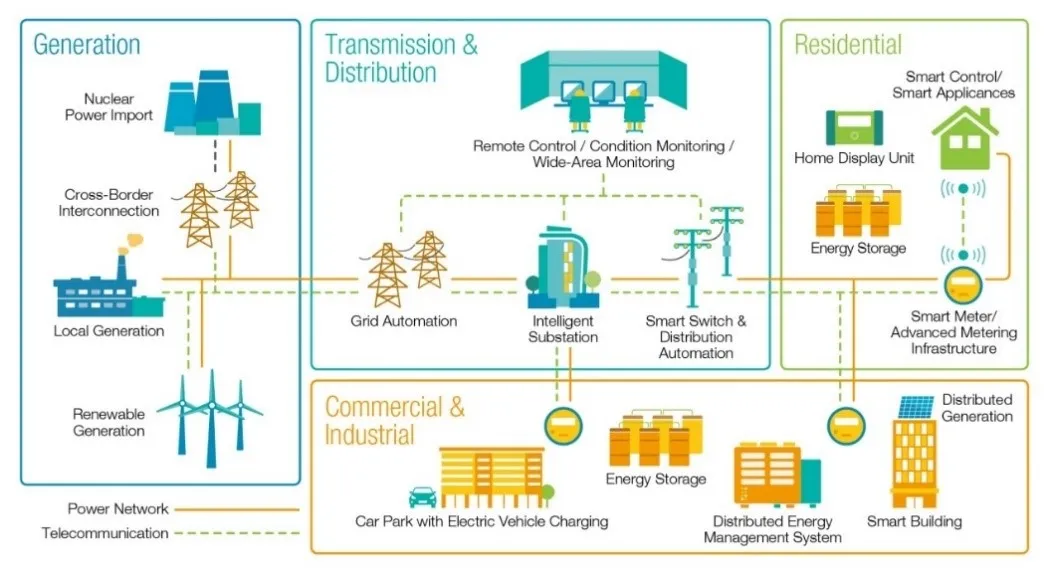
The Role of Distributed Smart Grids
Technical overview of distributed smart grid architectures, benefits, and challenges, covering distributed generation, microgrids, VPP aggregation, and grid reliability.



Technical overview of distributed smart grid architectures, benefits, and challenges, covering distributed generation, microgrids, VPP aggregation, and grid reliability.
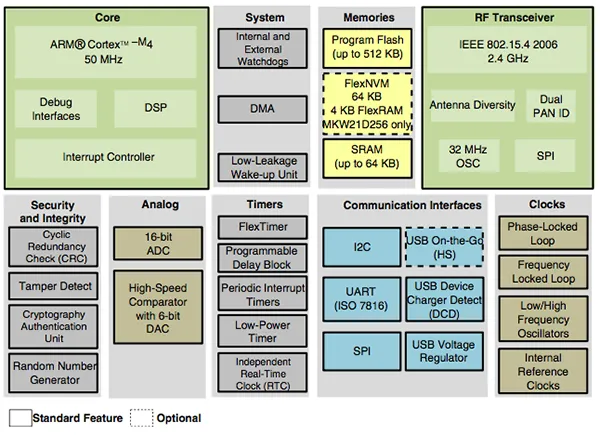
Technical overview of MCUs and integrated security for smart energy and smart metering: architectures, protocols, power optimizations, and standards.
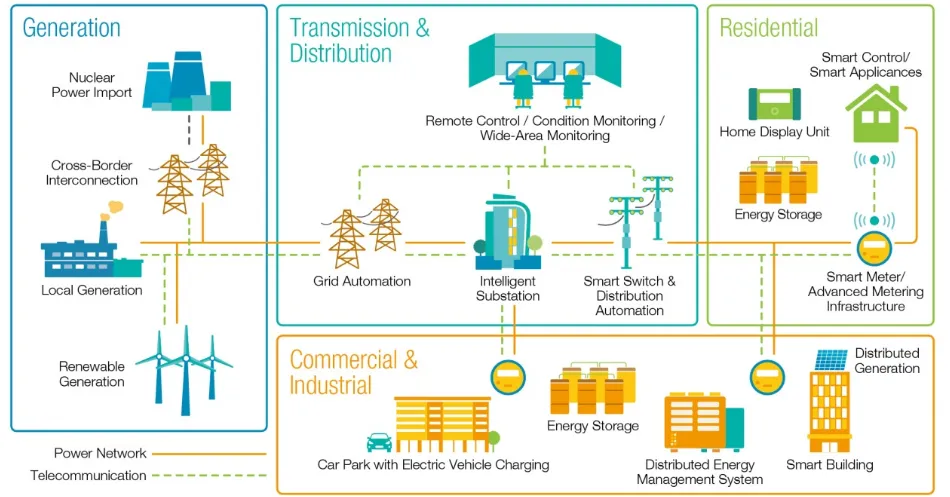
Technical overview of smart grid systems covering key characteristics, operating principles and cabling requirements for reliable, secure, and low-carbon power networks.
Comparison of relays and contactors: both use electromagnetic switching, but contactors handle high currents for power circuits while relays suit low-current control circuits.
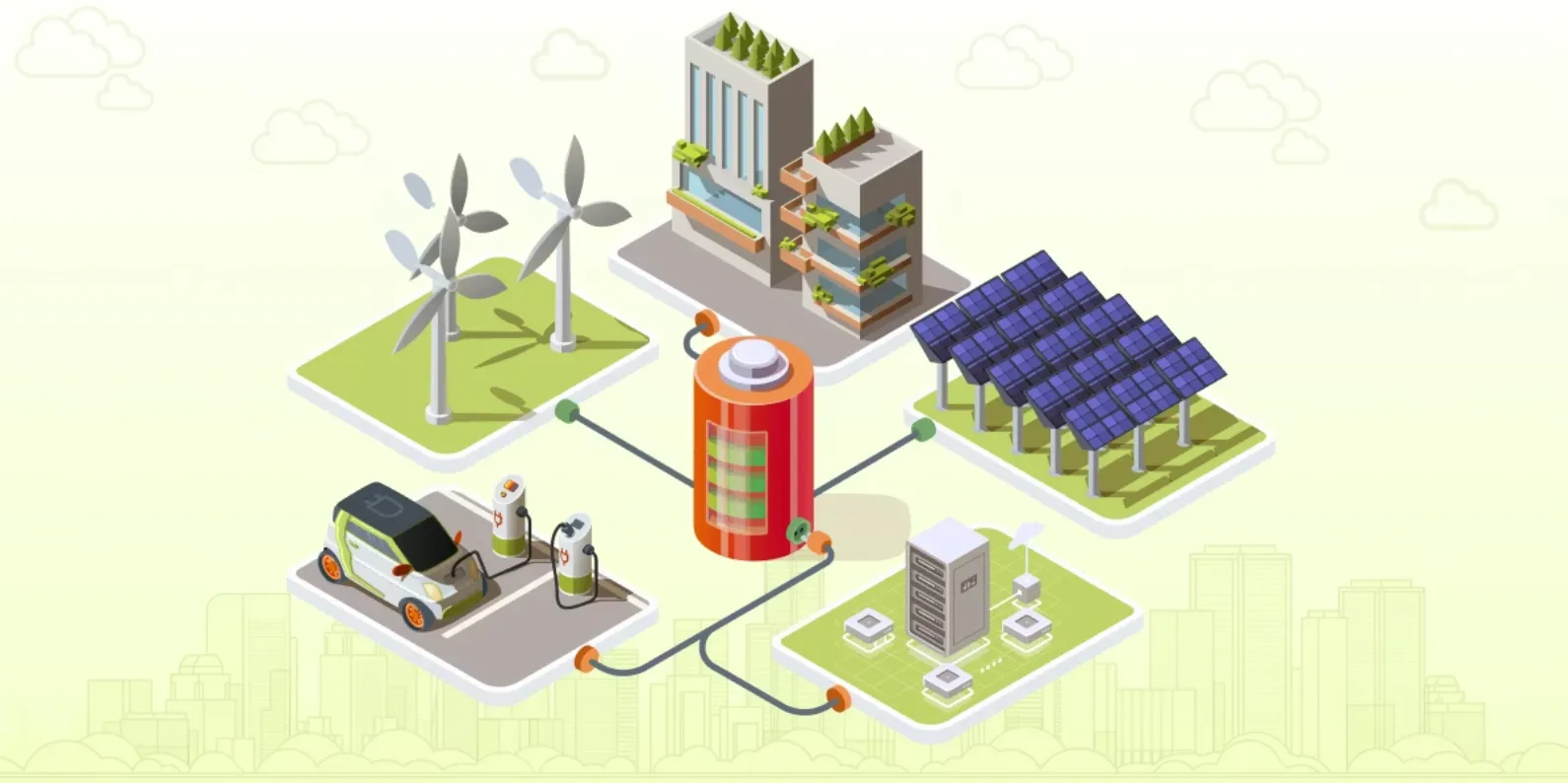
Smart grid power communication: requirements and system functions—high-speed, reliable, secure, interoperable, scalable communications; SIS, EMS, metering.
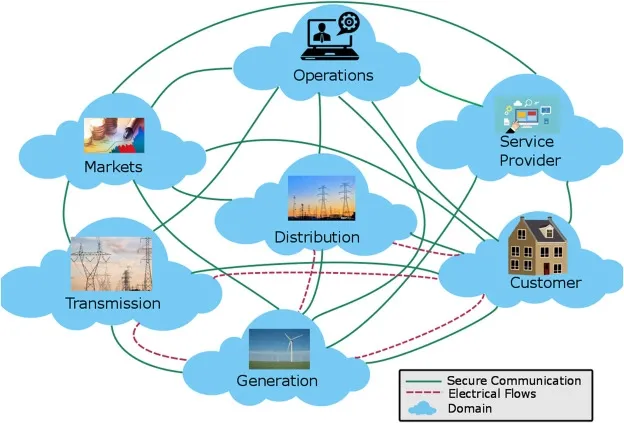
Technical overview of distributed smart grid: definition, multi-level generation, customized energy storage, data exchange, and AI/cloud-enabled control for resilient grids.
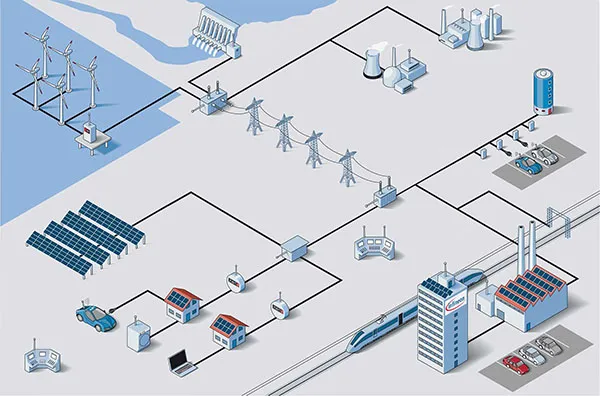
Review of smart grid electronics and power modules: power-supply designs, wide-input regulators, and low-quiescent solutions for meters, relays, gateways, and inverters.
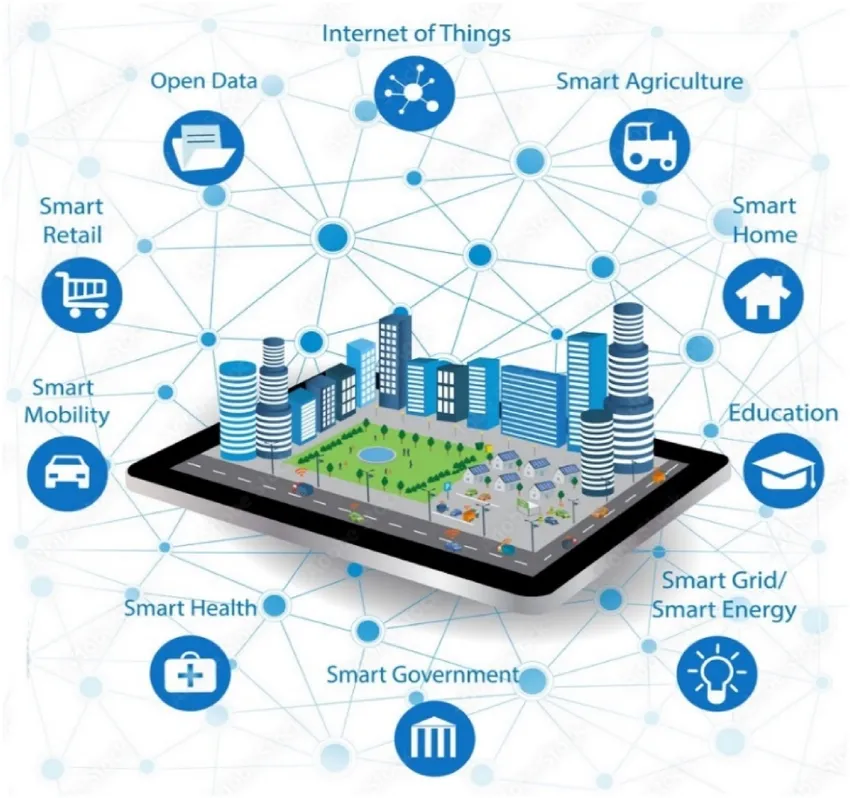
Technical overview of the Energy Internet and smart grid architecture, including ADA, IEMS, distributed renewable integration, FACTS, and China-specific development challenges.
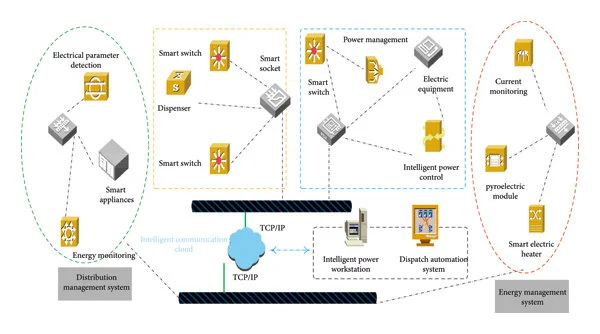
Overview of smart grid dispatch automation: architectures, IEC 61850/61970 standards, digital substations, AMI and information-exchange platforms for two-way grid control.
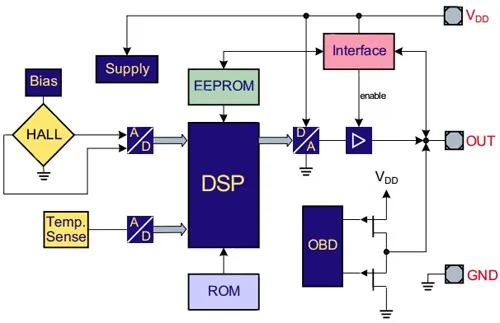
Technical overview of Hall-effect sensors for smart-home current measurement, covering MLX91205, ACS711, TLE4997, PCB implementations, ranges, and network integration.