 ALLPCB
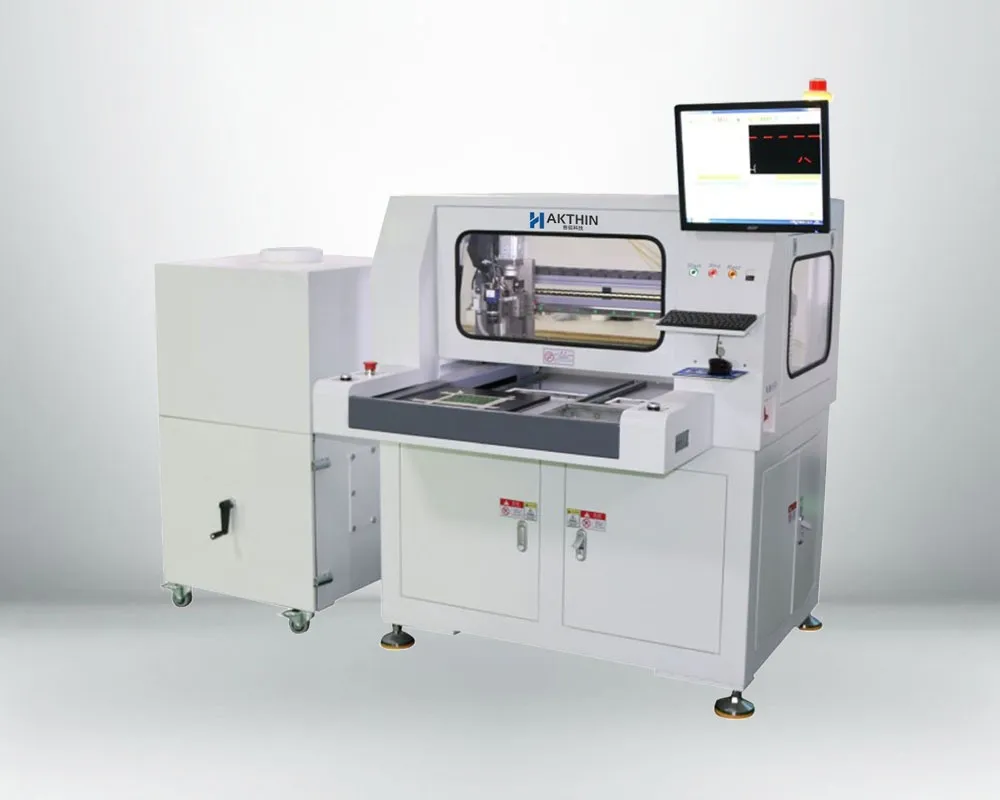
Decoding Stencil Thickness: A Comprehensive Guide for PCB Assembly Success
Learn how to select the right stencil thickness for PCB assembly. This guide covers SMT stencil thickness calculation and its impact on solder joint quality.



Learn how to select the right stencil thickness for PCB assembly. This guide covers SMT stencil thickness calculation and its impact on solder joint quality.
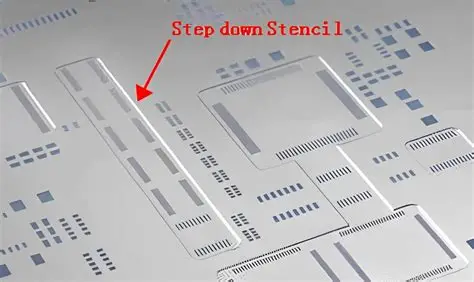
Compare step up stencil cost and ROI to multiple stencils for PCB assembly. Reduced setups and consistent solder paste volumes lead to lower costs and better yields when using a single step up stencil.
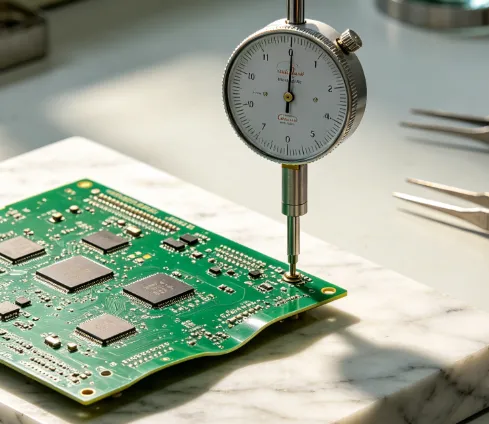
Learn the BGA rework process in this step-by-step tutorial. Master BGA rework station operations, BGA reballing, soldering BGA components, and BGA rework tools.
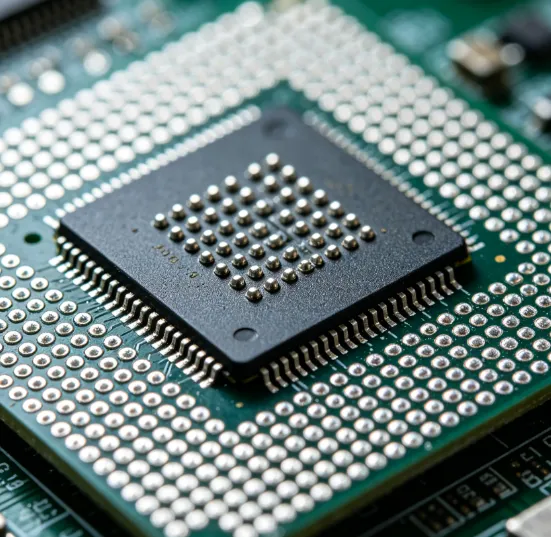
Optimize fine pitch component assembly with step stencils to prevent solder joint defects. Learn how varying stencil thickness ensures BGA assembly reliability and superior joint quality.
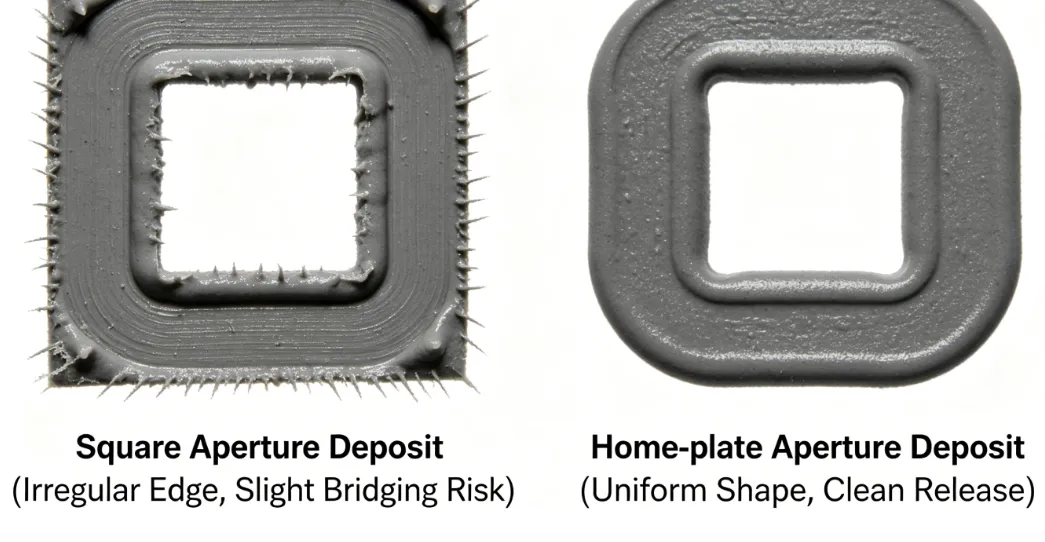
Select the right stencil aperture shape to optimize solder paste release in SMT assembly. Use square or home plate designs to improve transfer efficiency and prevent common printing defects.
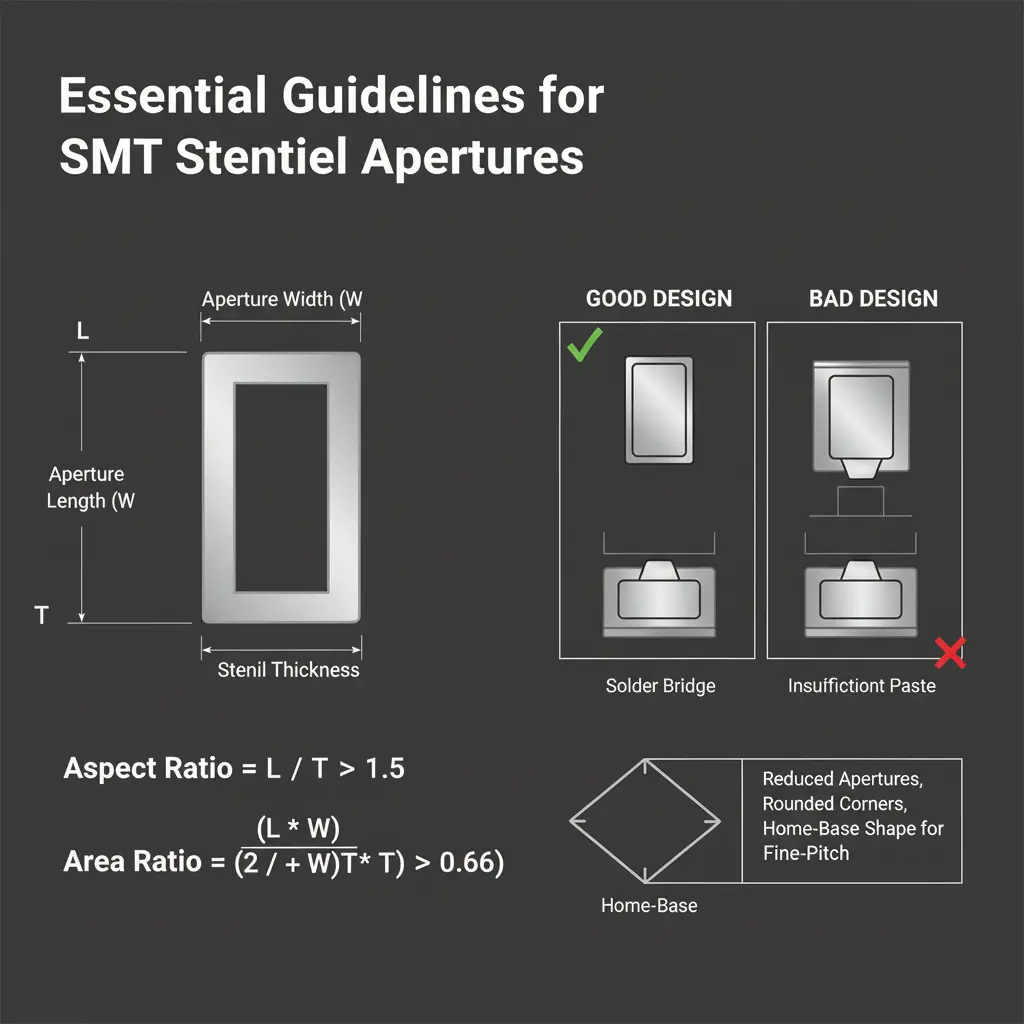
Step stencil keep out zone design rules guide aperture placement for consistent solder paste printing. Follow these stencil design rules to avoid defects, ensure reliable stencil manufacturing, and boost PCB assembly yields with practical tips for engineers.
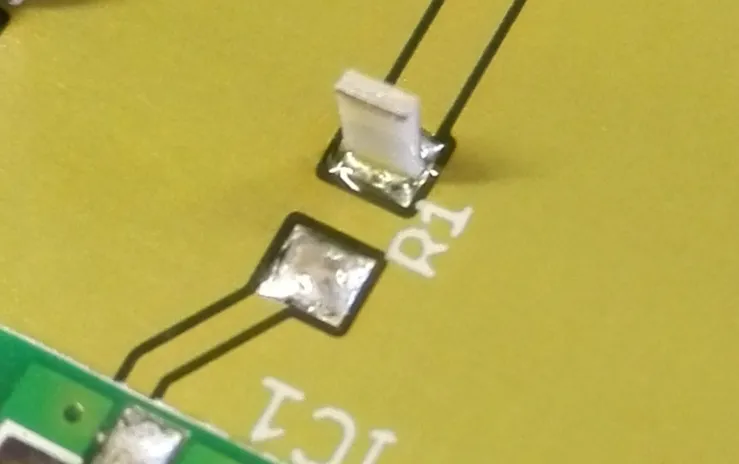
Optimize SMT stencil aperture size and shape to improve solder paste release. Follow professional stencil design rules to prevent bridging and tombstoning during the PCB assembly process.
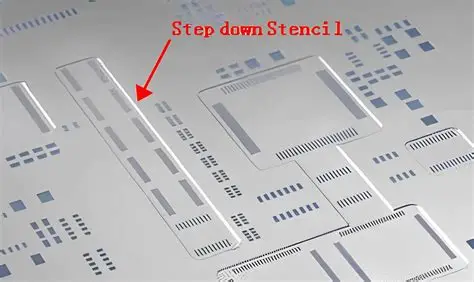
Fine pitch SMT stencil design ensures reliable solder paste deposition in high-density PCB assembly. Details on aperture size for fine pitch, stencil thickness for fine pitch, solder bridging prevention, 0402 stencil design, and 0201 stencil design provide electric engineers with practical strategies to reduce defects and improve yields.
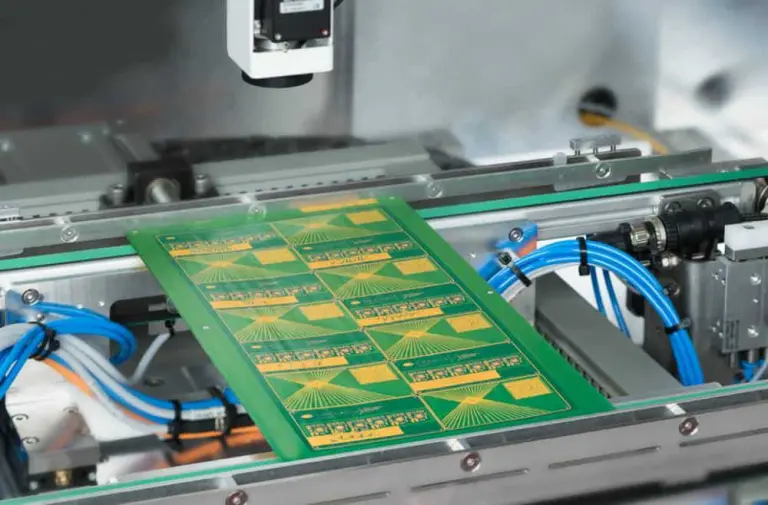
Step stencil design uses multi level apertures to control solder paste volume precisely in complex PCB assemblies. Review technical principles, fabrication methods, design considerations, best practices, troubleshooting tips, and standards for reliable SMT stencil use by electric engineers.
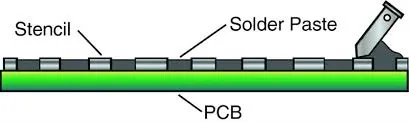
Stencil nano-coatings treat aperture surfaces on SMT stencils to increase solder paste transfer efficiency and stencil performance. They repel flux residue for clean release, uniform deposits, and reduced cleaning in fine-pitch assembly. Electrical engineers gain reliable printing and fewer defects per IPC guidelines.