 ALLPCB
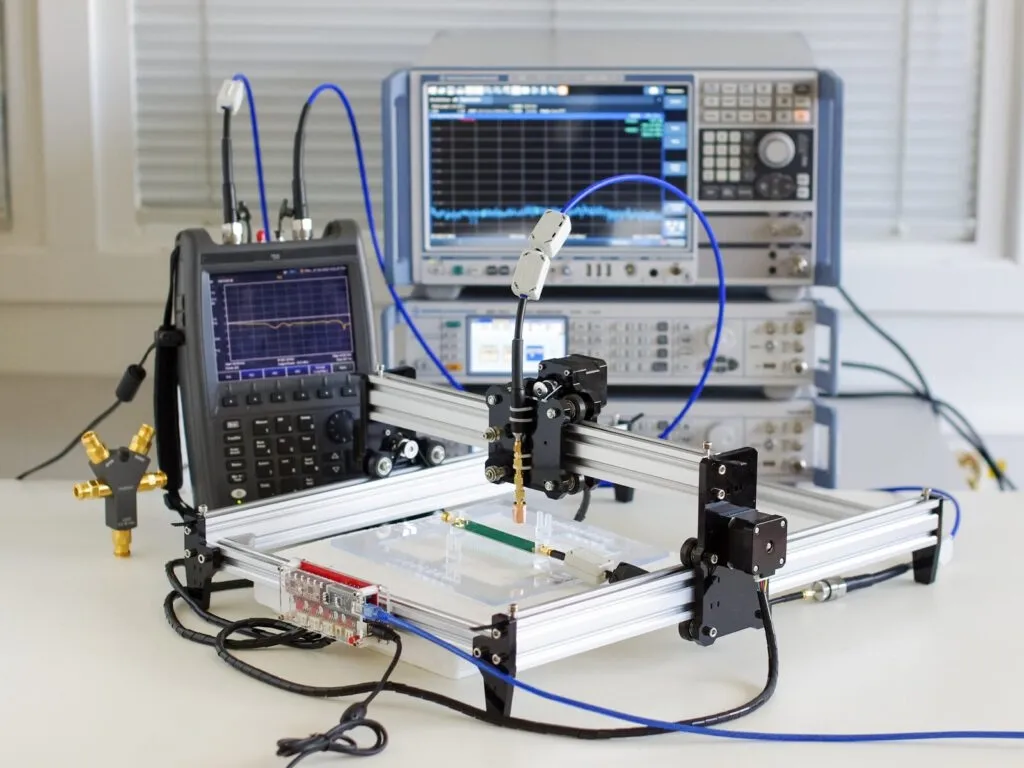
What EMI Testing Measures and Two Key Requirements
Technical overview of EMI: electromagnetic interference testing and human-machine interface (HMI) testing, including radiated/conducted emissions and standards compliance.



Technical overview of EMI: electromagnetic interference testing and human-machine interface (HMI) testing, including radiated/conducted emissions and standards compliance.

Summarizes EMI sources in switching power supplies and mitigation—layout, loop reduction, package techniques—and how low-noise μModule regulators simplify PCB design.
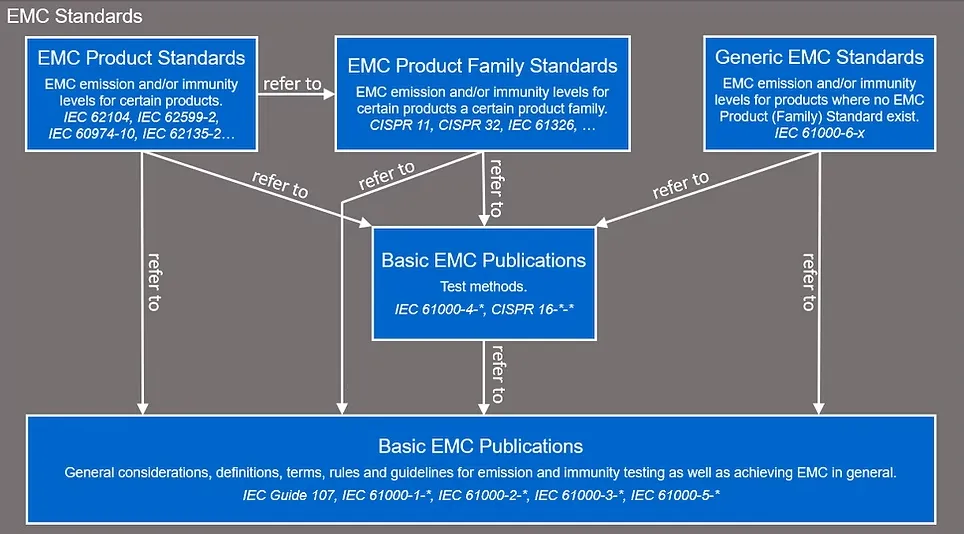
Technical overview of EMC testing standards and procedures, covering CISPR, EN, FCC, IEC and key tests such as radiated emission and immunity assessments.
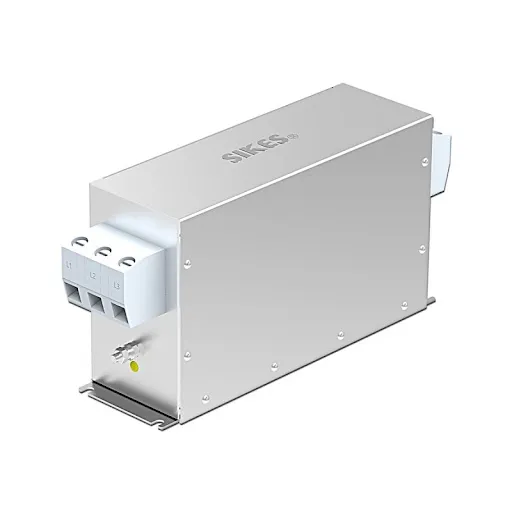
EMC filter overview: inductors and capacitors suppress EMI and high-frequency noise on power and signal lines to improve electromagnetic compatibility and compliance.
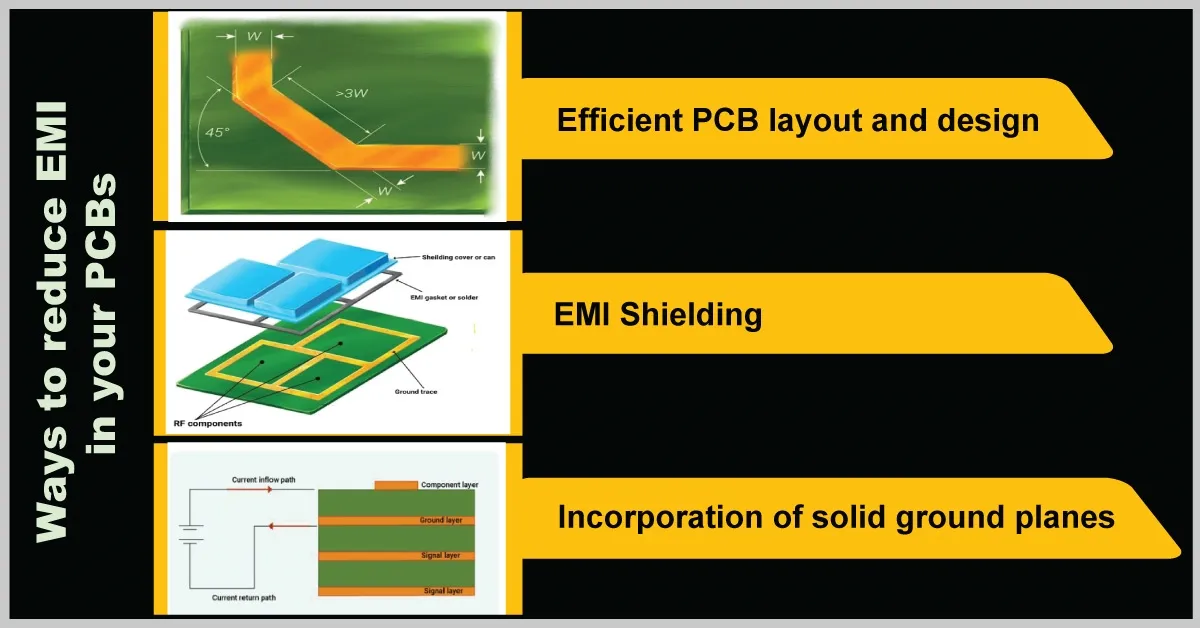
Practical techniques to reduce EMI in high-speed signal designs: ground planning, shielding, ground separation, PCB layout, return-loop control, edge-rate and filtering guidance.
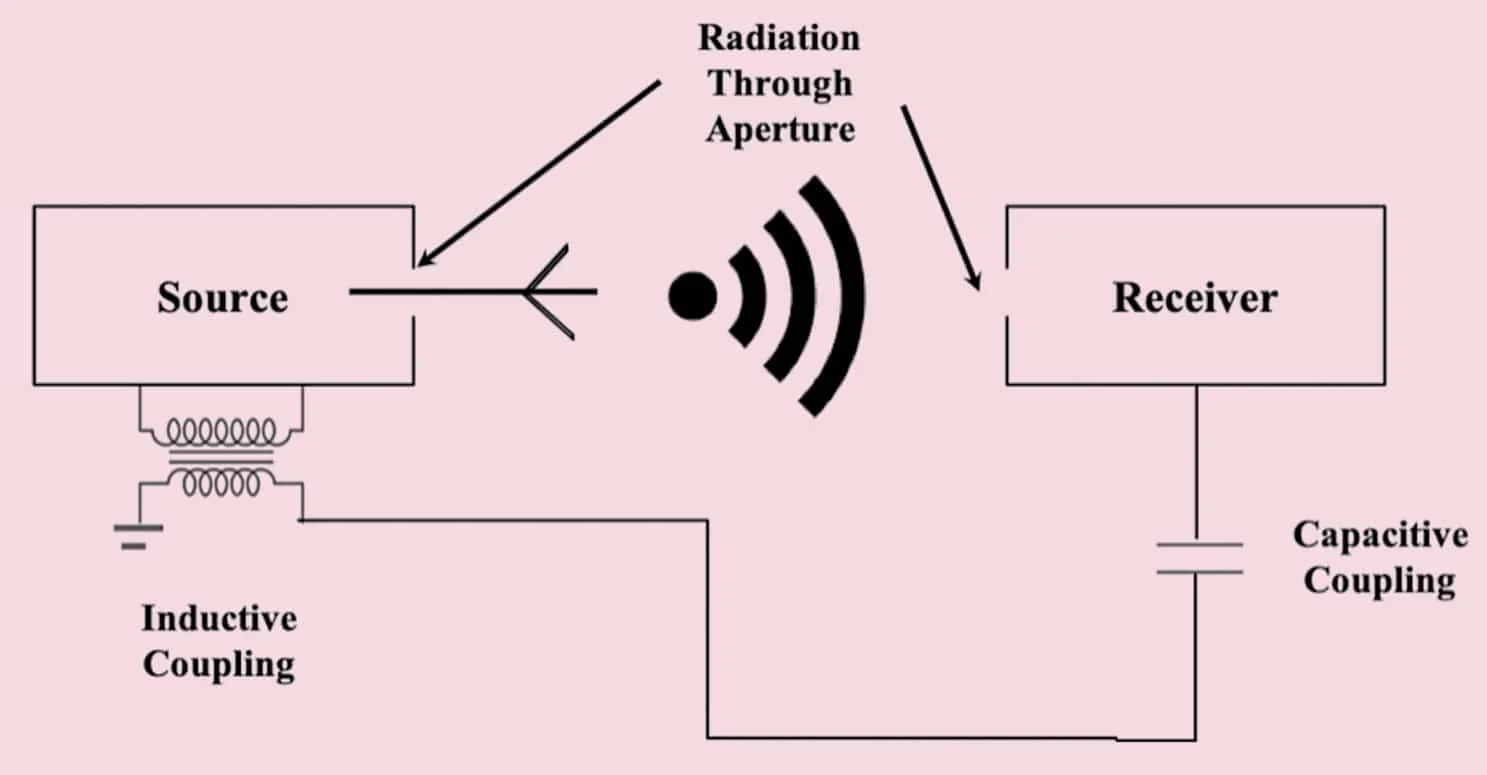
Practical EMC design guide outlining early design practices, team roles, and ESD protection methods for hardware, PCB, and enclosure engineers.
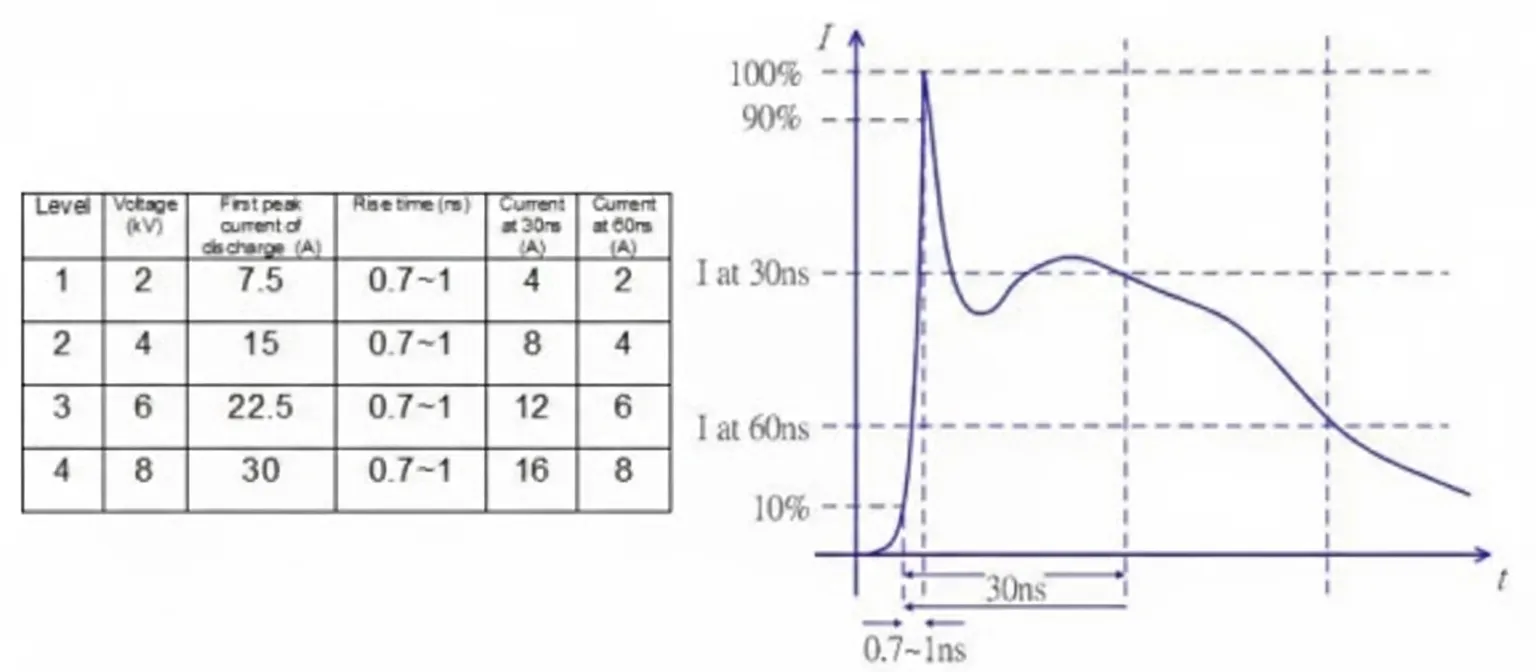
Case study of ESD simulation using Sigrity Speed2000: workflow, IEC-61000-4-2 ESD gun model, effects of decoupling capacitors and TVS on signal integrity.
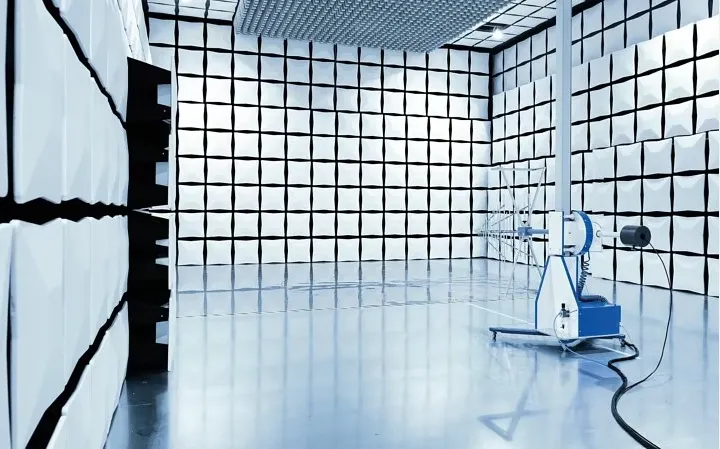
Technical overview of electromagnetic compatibility (EMC) and testing, covering theoretical foundations, interference sources, ESD immunity, surge and anechoic chamber test methods.
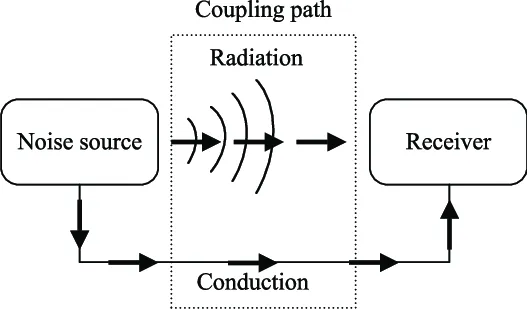
Identify EMC problems by finding the noise source, victim and coupling path; learn common power, ground, near-field/radiated coupling and tests.
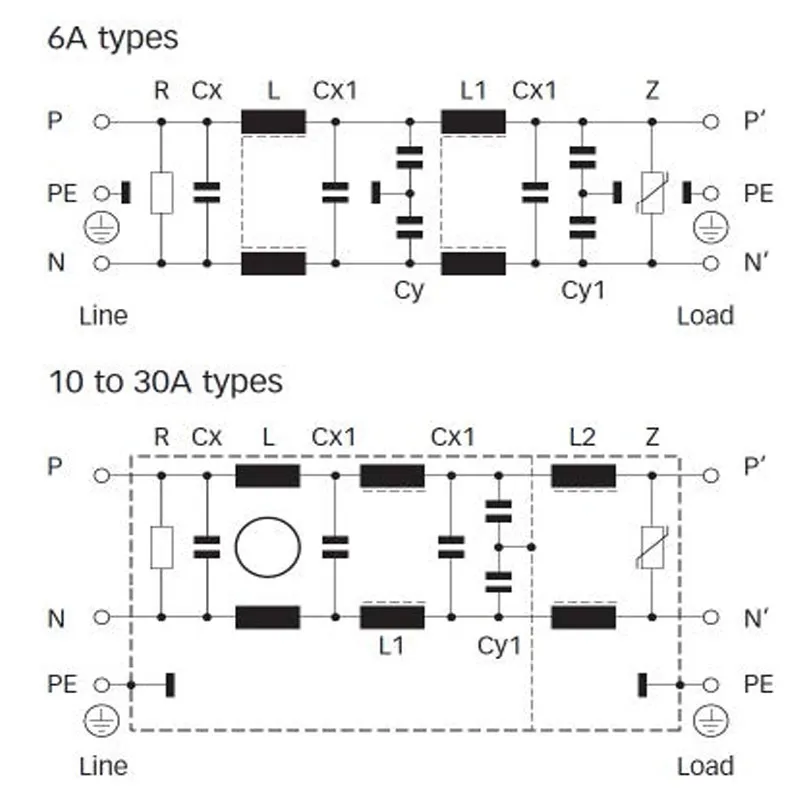
Overview of EMI multistage filtering: principles, benefits, limitations, and design trade-offs, plus its role in audio systems and risks of removing EMI filters.