 ALLPCB
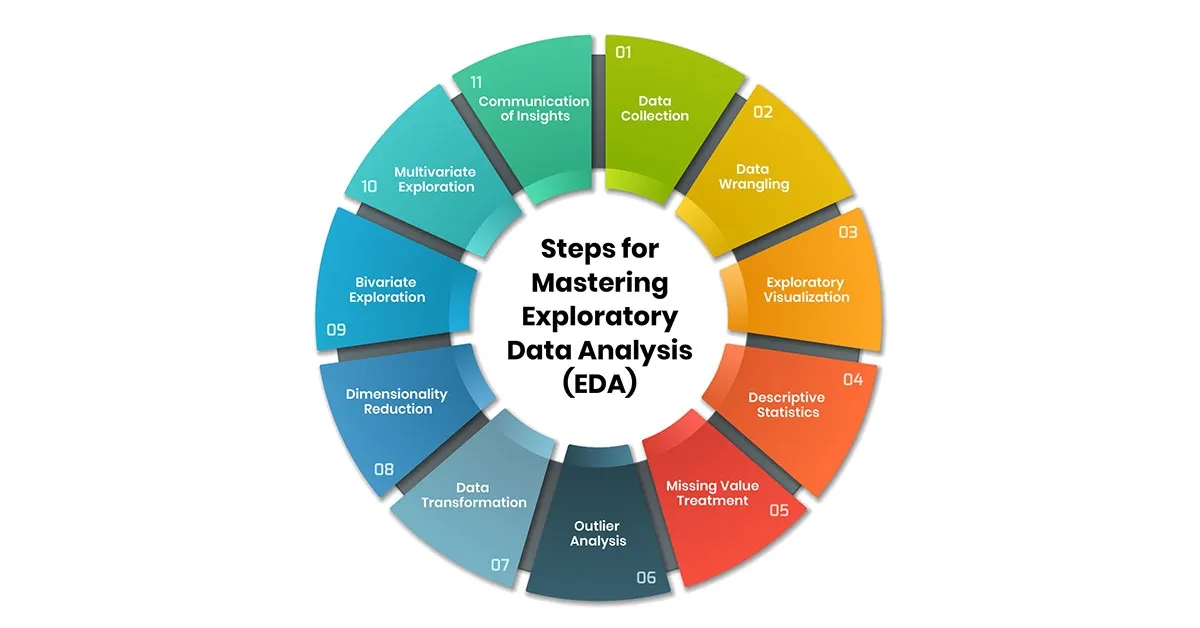
Common EDA Input Methods, Development Stages, and Goals
EDA overview: input methods, development stages, and goals to automate circuit design, simulation, verification, and system-level integration.



EDA overview: input methods, development stages, and goals to automate circuit design, simulation, verification, and system-level integration.
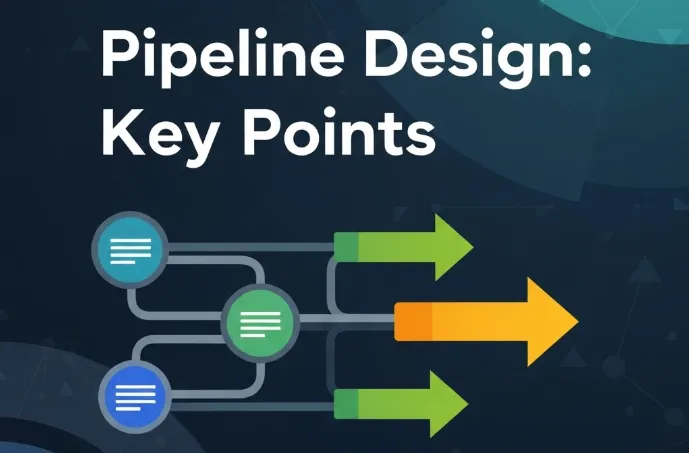
Pipeline design: temporal parallelism, stage partitioning, throughput vs. latency trade-offs, and backpressure handling for efficient hardware.
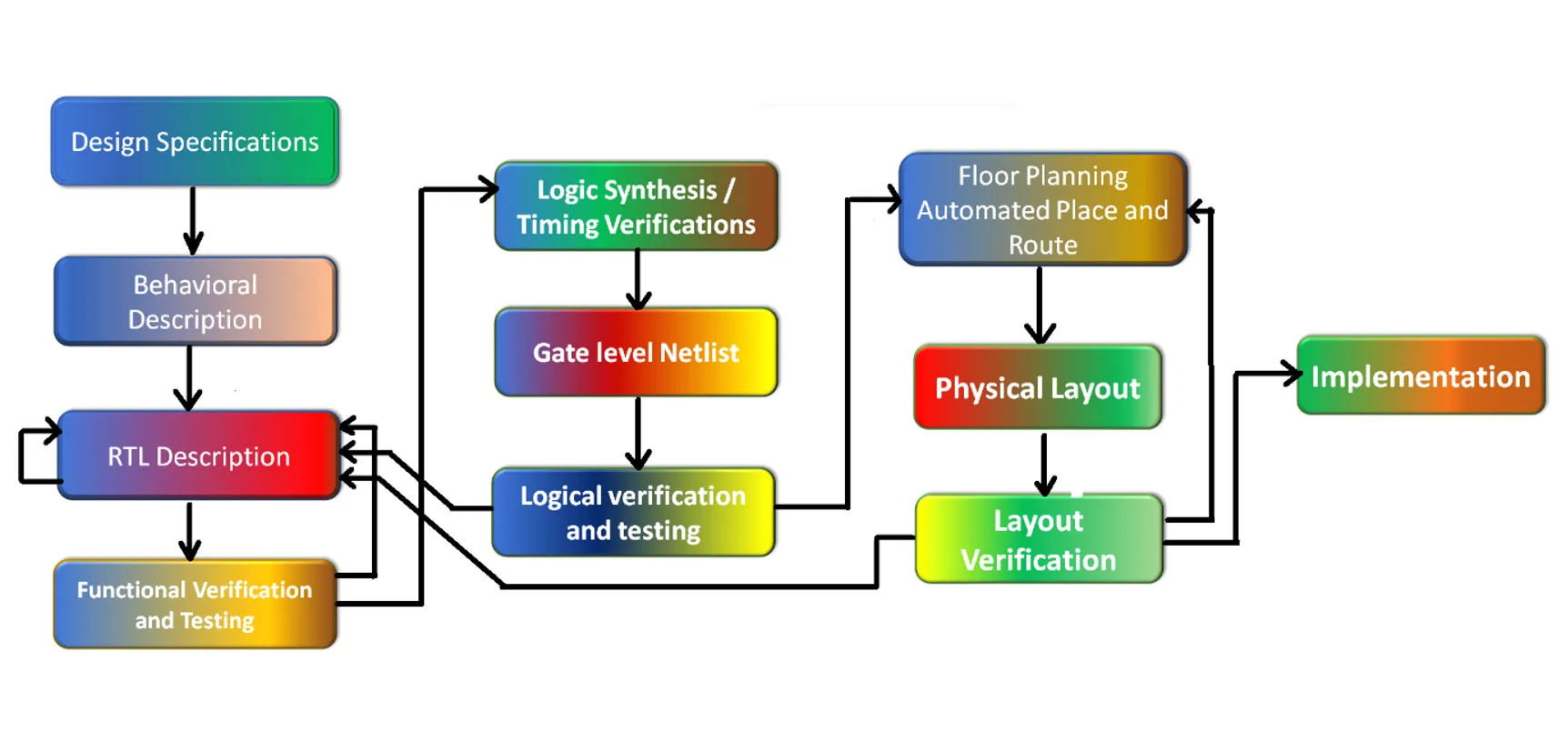
Verilog guidelines for readable, efficient IC design: coding practices, module instantiation, operators, and module design templates.

Explore IC design challenges: 3DIC & chiplet interconnects, EDA/IP needs, edge processors, RISC-V evolution and China's EDA/IP integration.
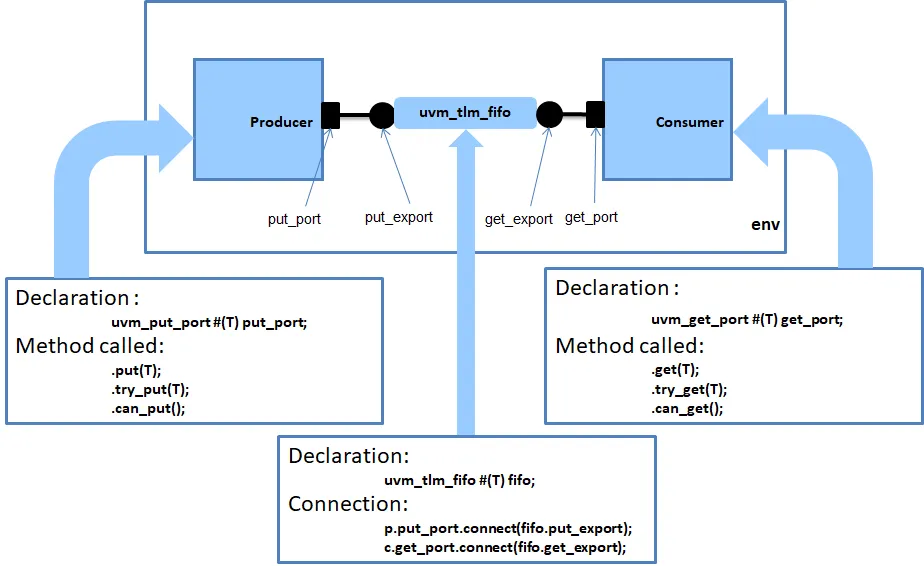
Learn UVM TLM basics: building transactions, and using blocking put/get ports and exports for producer/consumer communication.
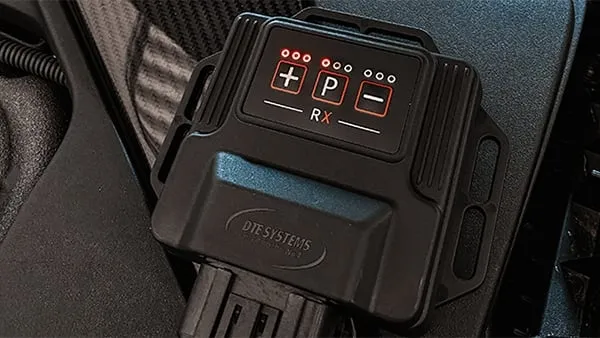
Explore chip power consumption sources and low-power design techniques, clock gating, DVFS, power gating, multi-voltage and layout optimizations.
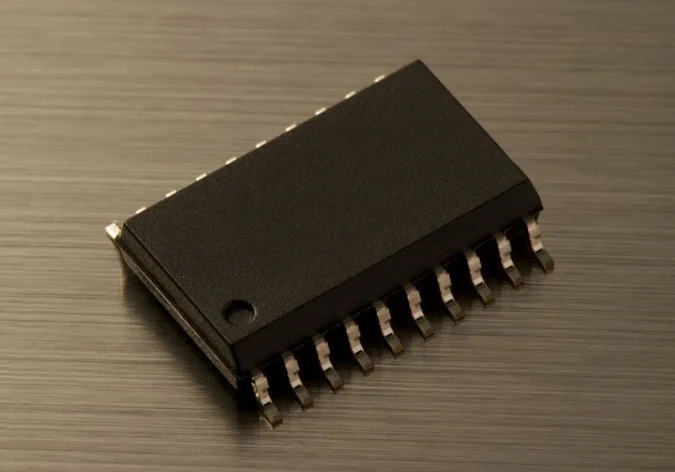
Weak semiconductor demand pressures driver ICs: analysts warn falling prices, shrinking margins and weak Q3 amid rising capacity and competition.

Practical RTL design tips: implementable RTL, AXI master strategies, timing/pipelining, area, power and backend-aware coding for performance.

Explore the chip design process from requirements to production and learn key 5G challenges: complexity, power, RF, packaging, and security.
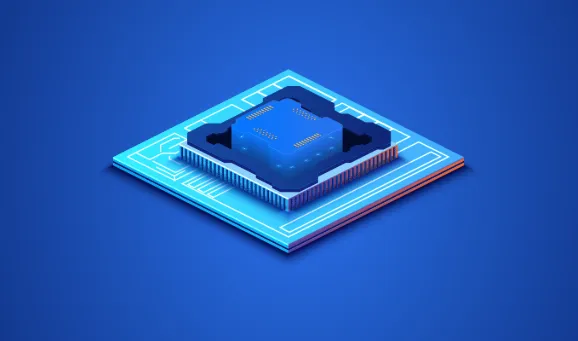
Explore how architecture-driven chip design, in-memory compute, co-packaging and scalable interconnects boost performance and efficiency.