 ALLPCB

Understanding RF and Microwave Concepts Simply
Technical overview of RF propagation phenomena: electromagnetic waves, direct/reflected/diffracted/scattered waves, skin effect, Fresnel zones, multipath and slow/fast fading.



Technical overview of RF propagation phenomena: electromagnetic waves, direct/reflected/diffracted/scattered waves, skin effect, Fresnel zones, multipath and slow/fast fading.
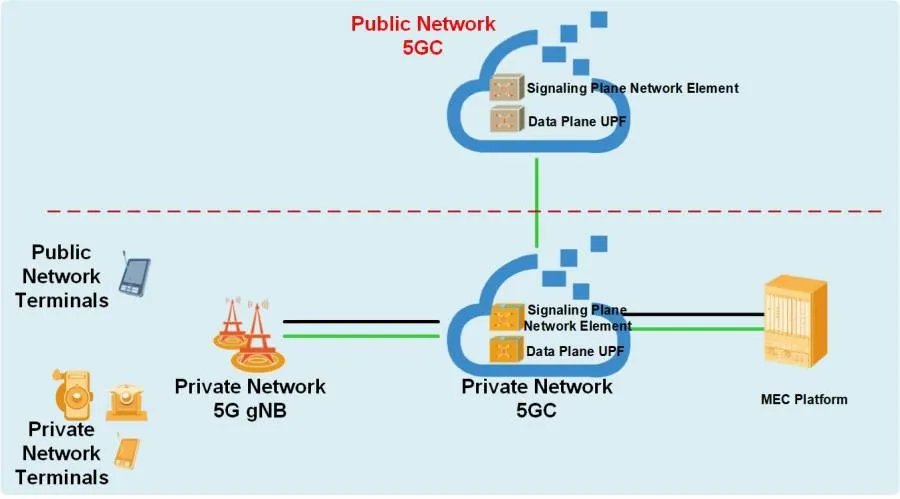
Comparison of 5G private networks vs 5G mobile private networks: application scenarios, target users, service packages, and 5G virtual private network security and features.
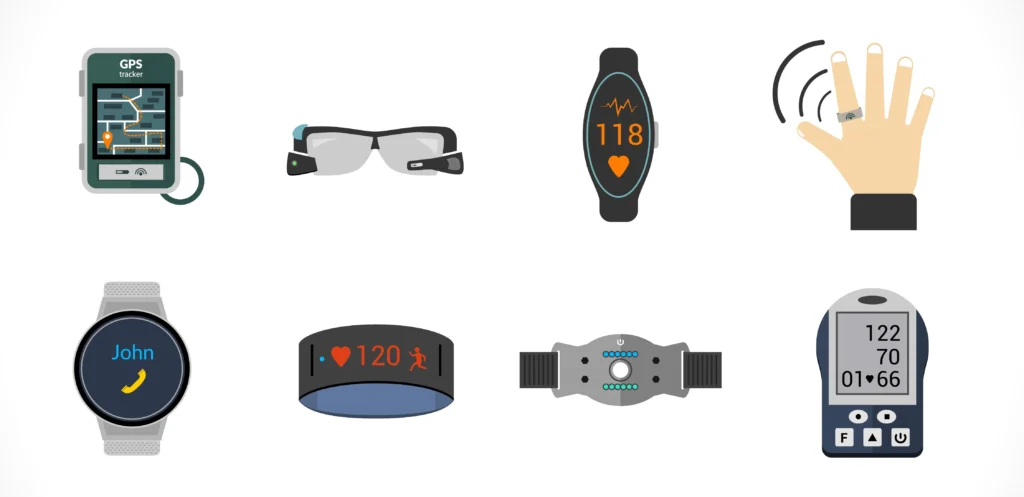
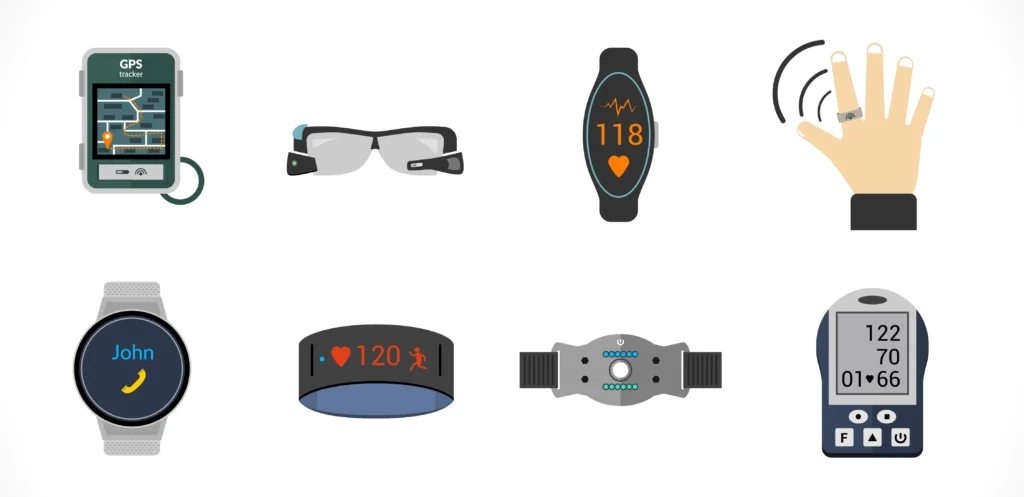
Overview of wearable technology: architectures, sensors, energy harvesting, smart coaching, virtual assistants and mobile health monitoring for engineers.

Guide to 5G fully connected factories: how 5G industrial gateways and industrial IoT enable device access, data integration, and real-time applications.

Mobile intelligent networking: router-centric services offering remote router diagnostics, parental controls, device-specific quality-of-service and game and education acceleration.

Overview of non-standalone vs standalone 5G and private network use in industrial automation, covering use cases, latency, reliability, spectrum and deployment trade-offs.

Technical overview of wearable patient monitors and remote patient monitoring covering battery life, portability, patient safety, secure wireless transmission and integration.
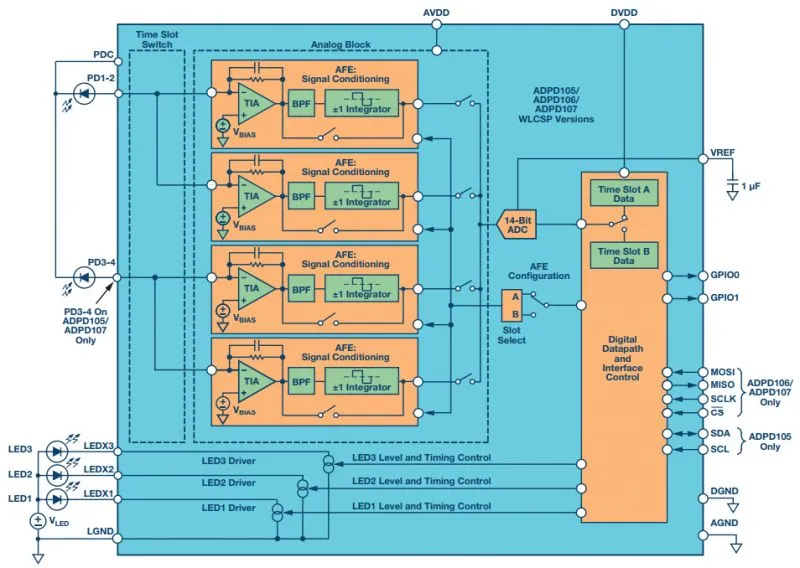
Technical overview of ADI's wearable VSM platform for engineers: sensor stack, PPG and ECG front ends, motion, EDA, temperature, and ADuCM3029 processing.
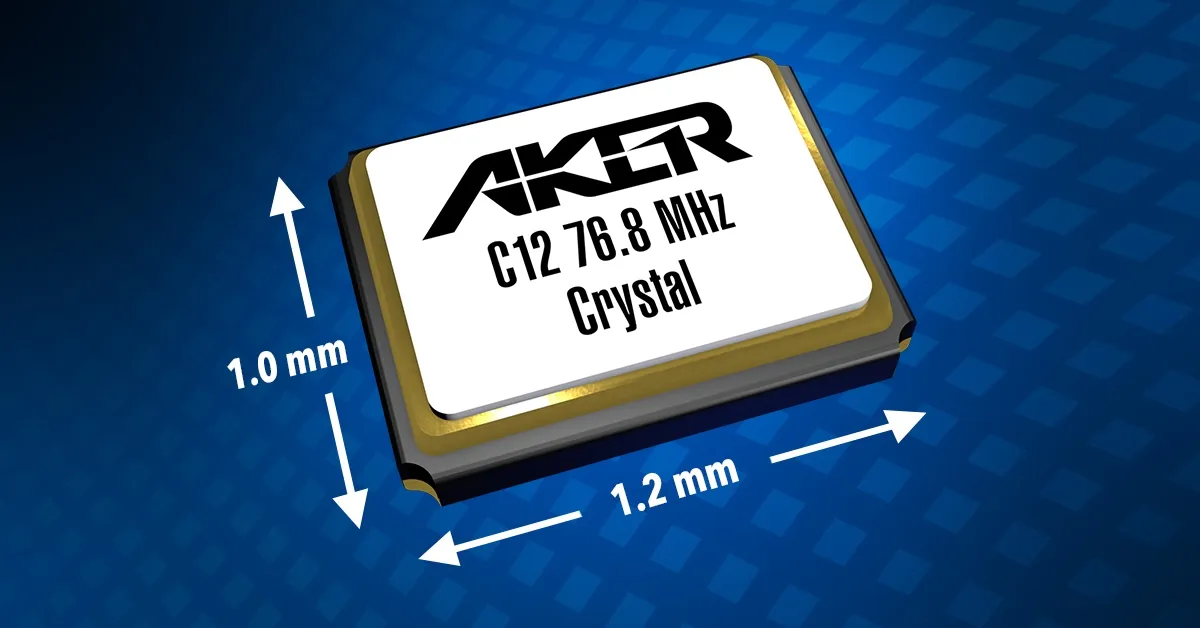
Technical overview of implementing 1.2mm x 1.0mm crystal oscillators, covering material selection, packaging, electrode techniques, frequency trimming, thermal management.

Technical overview of China’s 5G messaging policy and RCS: origins, IMS basis, MaaP enterprise use, device support, ecosystem challenges and deployment outlook.

Wearable all-carbon piezoresistive sensor using double-sided pyramid graphene aerogel achieves 37.3 kPa^-1 sensitivity and 0-1.4 MPa linear range for health monitoring

Overview of indoor positioning technologies for wearables: GNSS limitations, single-chip receivers, Wi-Fi and cellular assistance, and low-frequency or hybrid localization methods.

Practical guide to wearable PCBs covering substrate choices (FR4 vs Rogers), manufacturing tolerance, RF design, and RF transmission lines like microstrip and coplanar waveguide
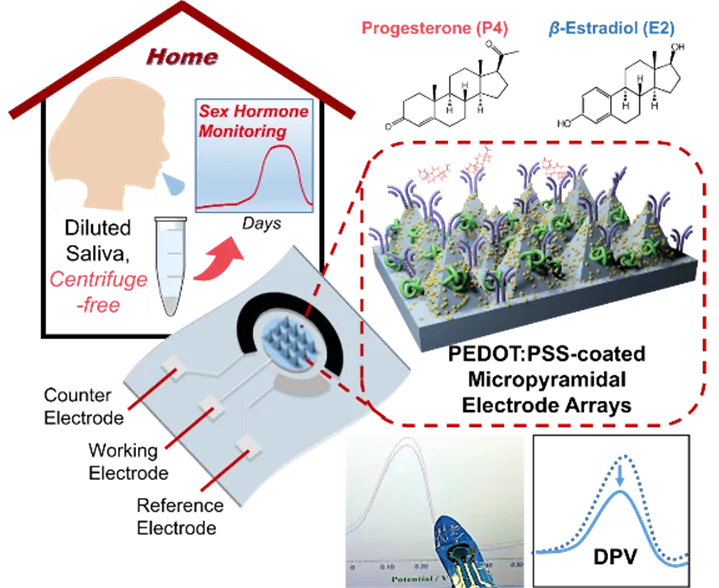
Flexible PEDOT:PSS/AuNPs micropyramid immunosensor enabling sub-femtomolar electrochemical detection of salivary progesterone and estradiol for at-home monitoring.

Examines how silicon vendors enable low-power wearables through power-efficient microcontrollers, radios, displays and power management to extend battery life.

ROHM establishes mass-production for ultracompact SWIR emitters and photodiodes in 1608 packages (1.6×0.8 mm), enabling material sensing in wearables, hearables, and portable devices.
Technical guide to selecting and troubleshooting linear chargers for wearable devices, covering bq24232, bq24040 and bq25100 issues like termination and oscillation.

Overview of ultra-low-power MCU technology (SPOT) and low-power BLE solutions, including BLE 5.2 and LE Audio, for always-online IoT and wearable devices.

Technical guide to ESD protection in wearables: choosing low-capacitance, low-clamp-voltage TVS diodes and compact packages to maintain signal integrity.
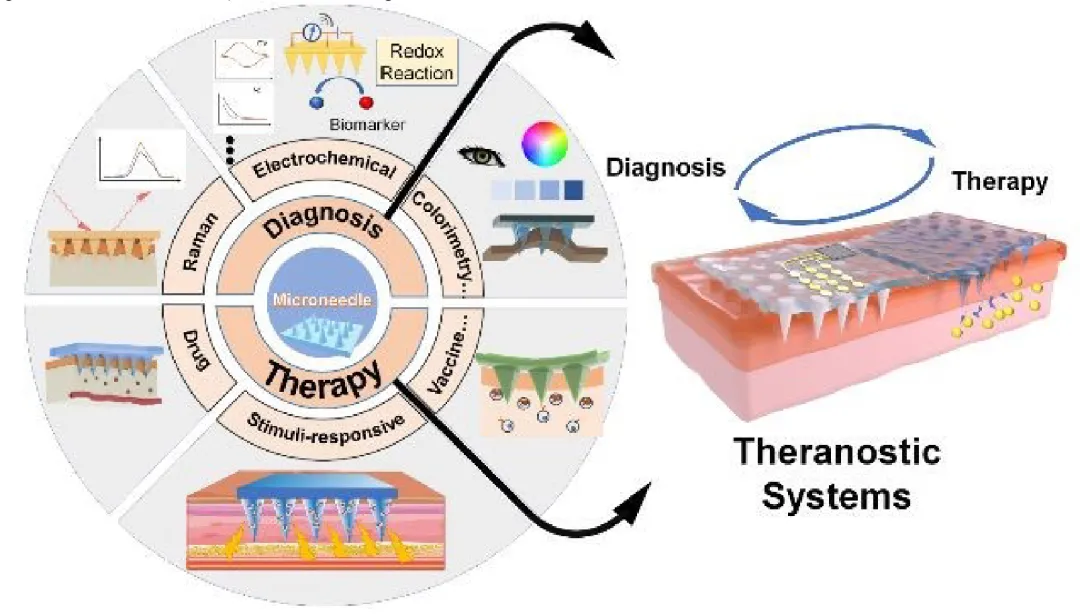
Review of microneedles design, fabrication, sensing, and transdermal delivery; covers wearable integration, stimuli-responsive systems, skin-penetration and biofouling issues.