 ALLPCB
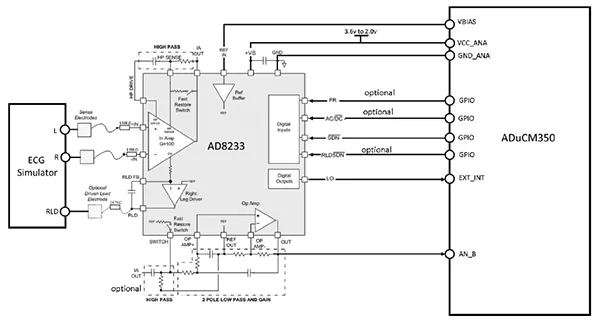
ECG for Wearables: Managing Noise and Power
Technical overview of wearable ECG design using the AD8233 front-end and ADuCM350 MCU: noise mitigation, lead-off detection, evaluation board use, and low-power considerations.



Technical overview of wearable ECG design using the AD8233 front-end and ADuCM350 MCU: noise mitigation, lead-off detection, evaluation board use, and low-power considerations.
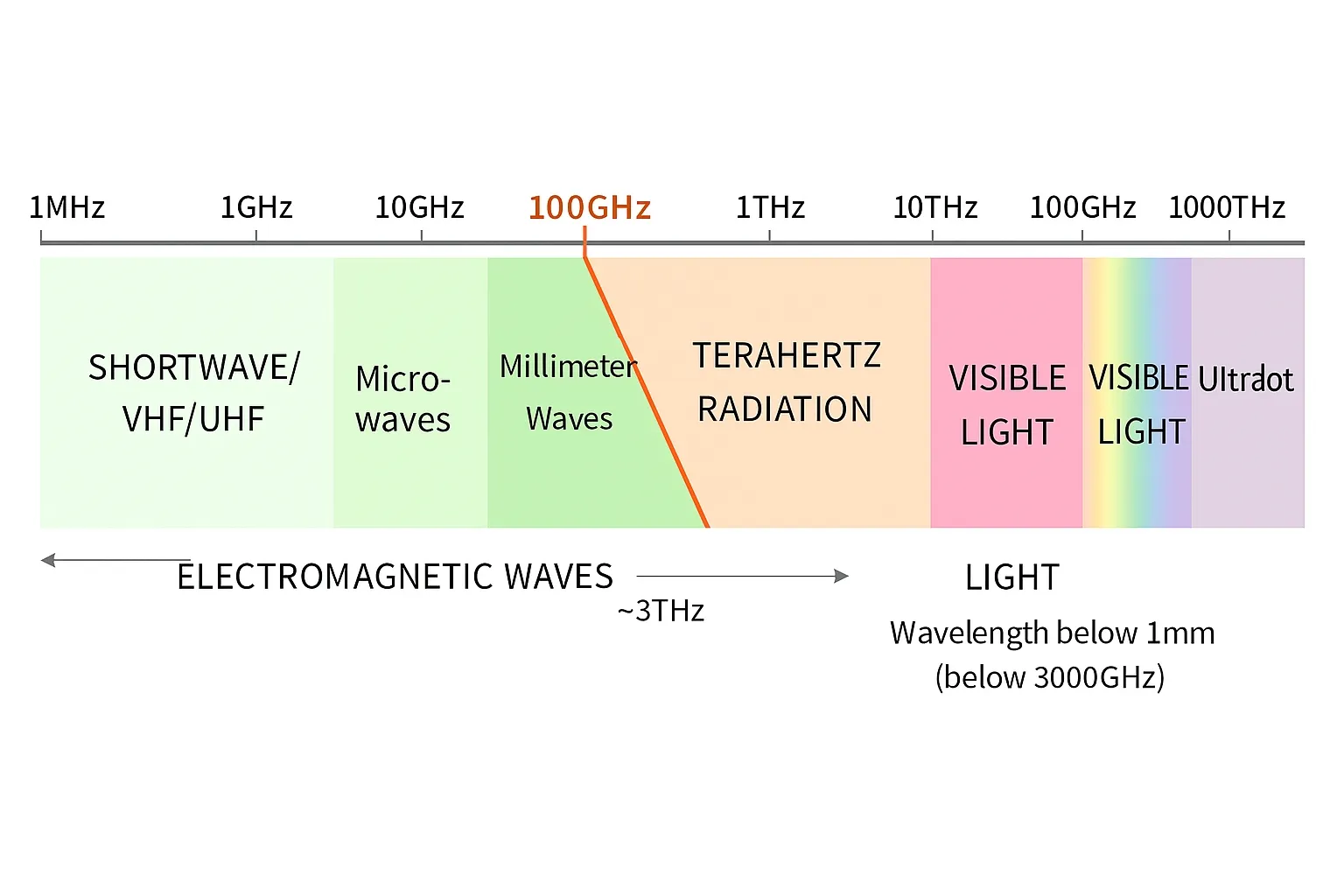
Overview of terahertz waves for B5G/6G: spectrum allocations, sensing and imaging potentials, and technical challenges for terahertz wireless networks.
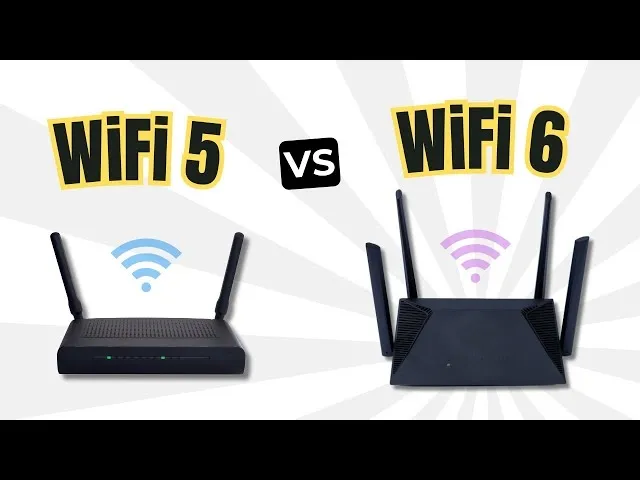
Clarifies WPS vs 5G and compares Wi-Fi 5 and Wi-Fi 6 performance on wall penetration and throughput, noting MIMO, OFDMA and theoretical maximum rates.
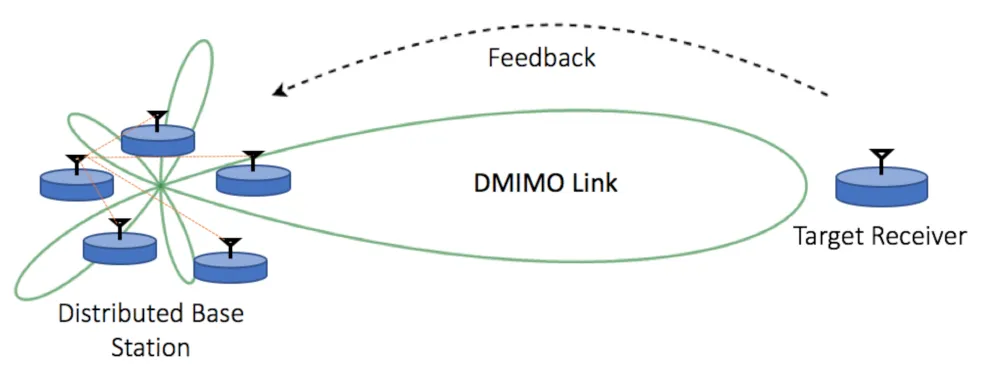
Technical overview of distributed base station architecture, components and roles: BBU, RRU, RF units and fiber transport; deployment benefits and latency trade-offs.
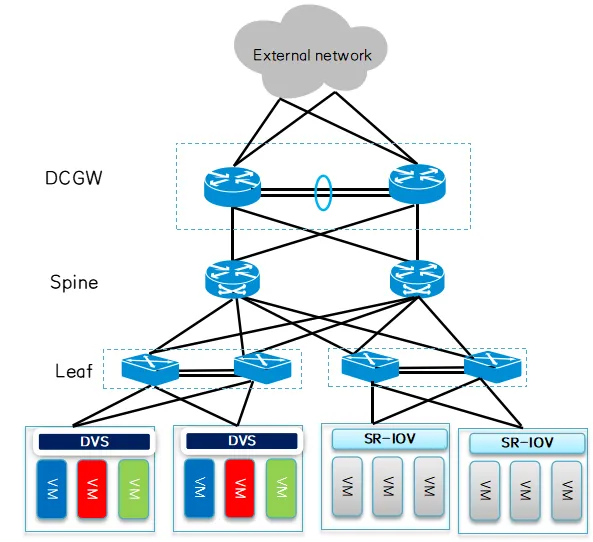
Explains link aggregation, LACP operation, modes, timeouts, and benefits for bandwidth scaling, redundancy, and load sharing across switches, servers, and datacenter links.
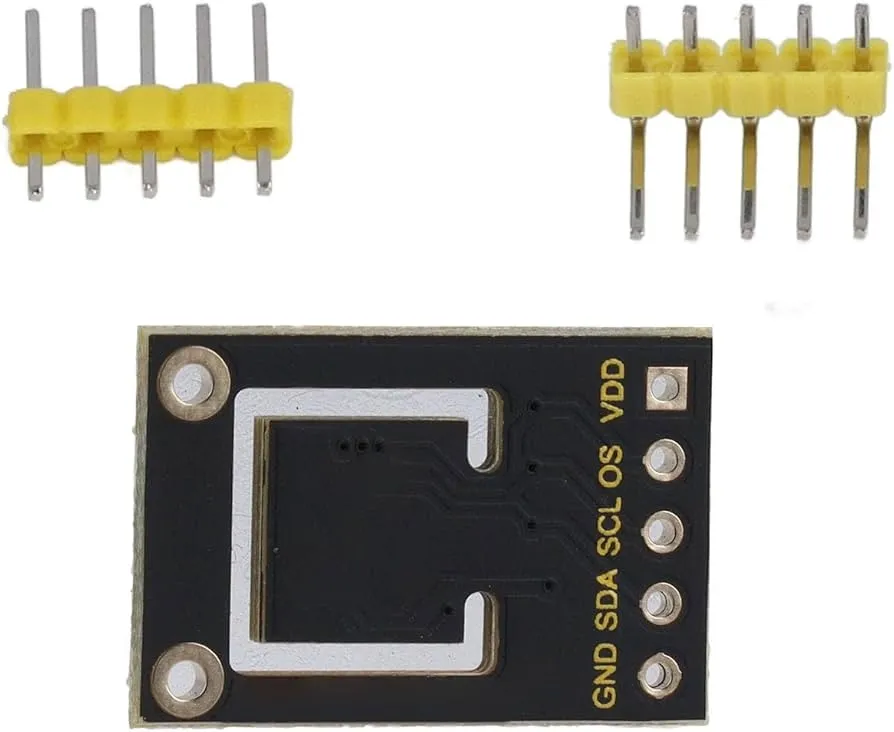
Integration guidelines for the MAX30205 temperature sensor in wearables: maximize skin contact, minimize thermal mass and PCB heat paths to ensure accurate skin readings.

Technical overview of 5G private networks: features, coverage limits of 5G virtual private networks, and deployment modes (standalone, non?standalone, hybrid).
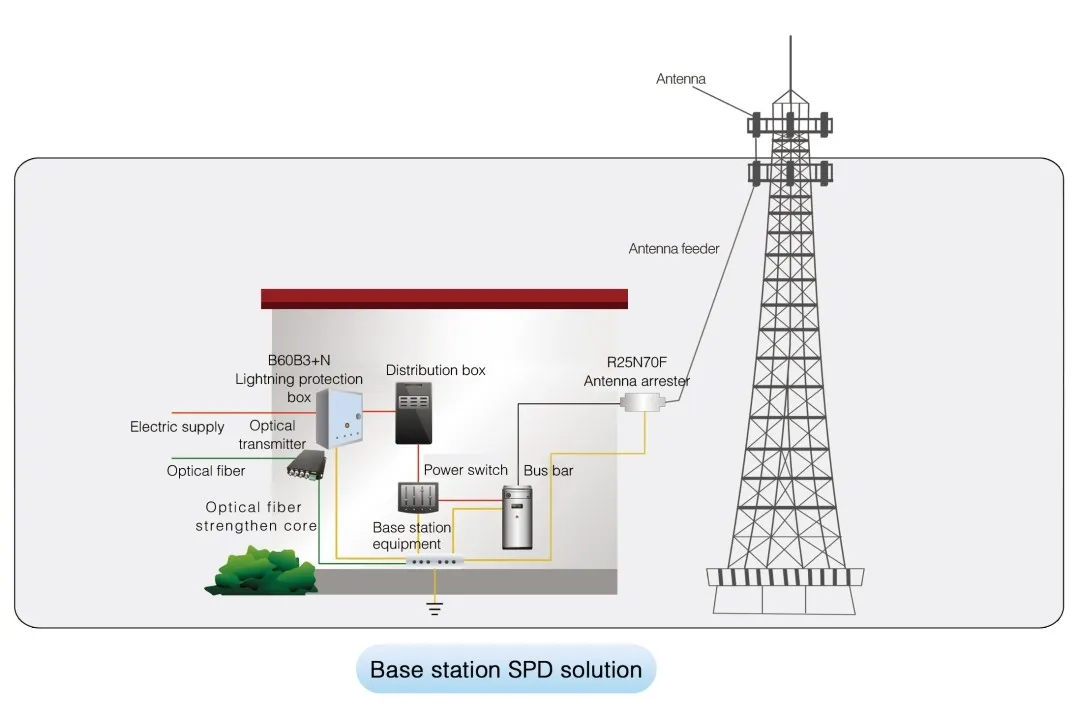
Technical overview of base station lightning protection: grounding grid design, SPDs, TT power 3+1 configurations and grounding practices for distributed RRU/BBU deployments.
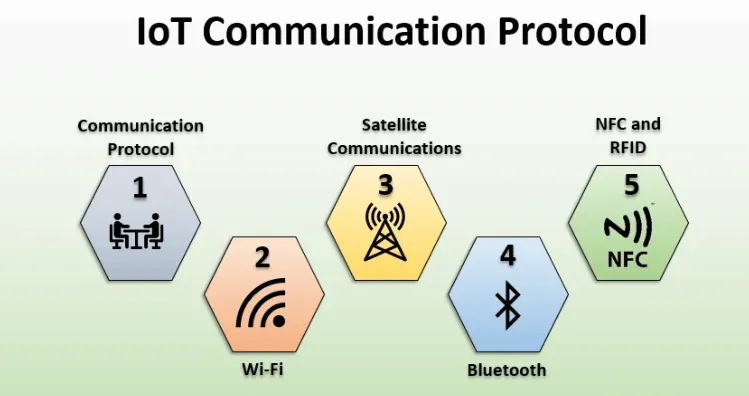
Comprehensive overview of IoT communication protocols across physical, network, and application layers, with comparisons and a focus on MQTT tradeoffs.
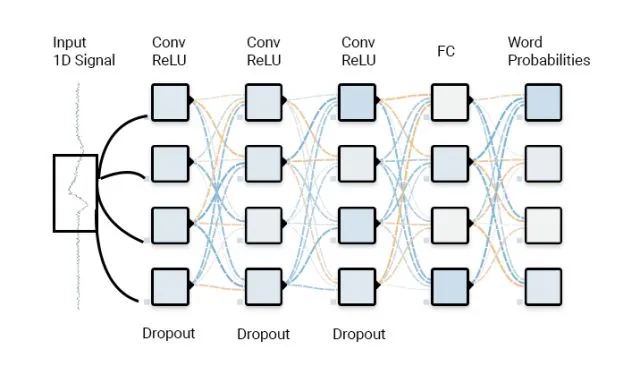
Overview of MIT's AlterEgo wearable that detects subvocalization via facial neuromuscular electrodes and neural networks, providing Bluetooth connectivity and bone?conduction feedback.