 ALLPCB

TI bq25190 Linear Battery Charger Datasheet
TI bq25190 linear battery charger for wearable devices: integrated power-path, buck and buck-boost regulators, LDOs, ADC, I2C programmability and ultra-low quiescent current.



TI bq25190 linear battery charger for wearable devices: integrated power-path, buck and buck-boost regulators, LDOs, ADC, I2C programmability and ultra-low quiescent current.
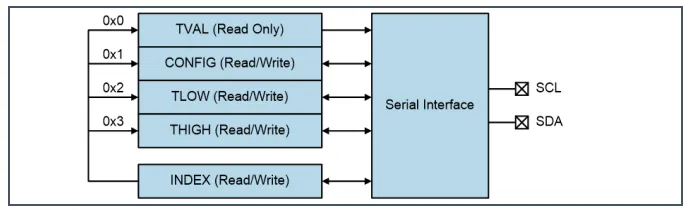
Overview of Huapu Micro's T09 digital temperature sensor: ±0.2°C accuracy, 1.71–3.6V supply, low-power operation, I2C interface, register map and application use cases.

PNAGA-F68 supramolecular hydrogel thermocell delivers high ionic conductivity, robust mechanics, and NIR-II photothermal response for light-remote self-powered sensing.

Review of biopotential theory and practical ECG measurement for chest-worn wearables, focusing on low-power AFE selection, analog bandpass filtering, and PMIC power schemes.
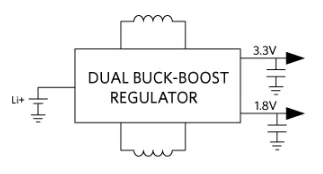
Technical overview of SIMO (single?inductor multiple?output) buck?boost PMICs for space?constrained devices, reducing component count and quiescent current.

Overview of wearable health and fitness device architecture and the MAXREFDES100 hSensor reference design, covering sensors, AFEs, MCU, power, and BLE.

Overview of lithium-ion battery management for always-on wearables, covering requirements, fuel-gauge and protection features of Maxim's MAX17301X+ and Adafruit cells.

Technical summary of OLED displays' advantages (thin, flexible, wide viewing angle, true blacks, fast response) and disadvantages (shorter lifetime, burn-in, cost).

Overview of haptic feedback technology, actuator selection, and smart cabin design for automotive interfaces; applications in VR/AR, wearables, and accessibility.
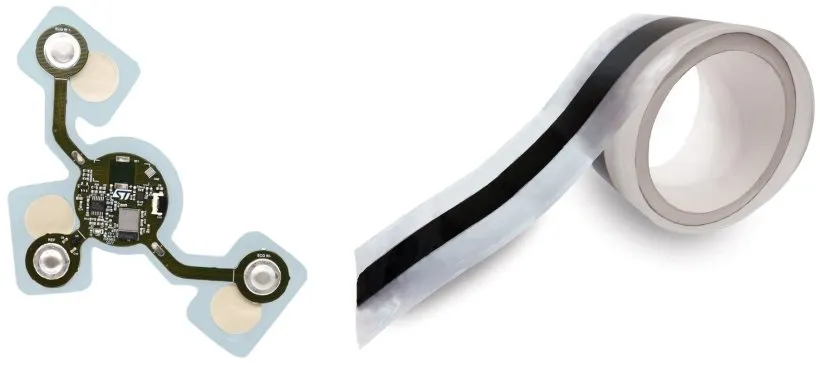
Overview of DuPont Liveo and STMicroelectronics' smart biosensing patch prototype for remote biosignal monitoring, integrating sensors and materials for ECG and SCG.
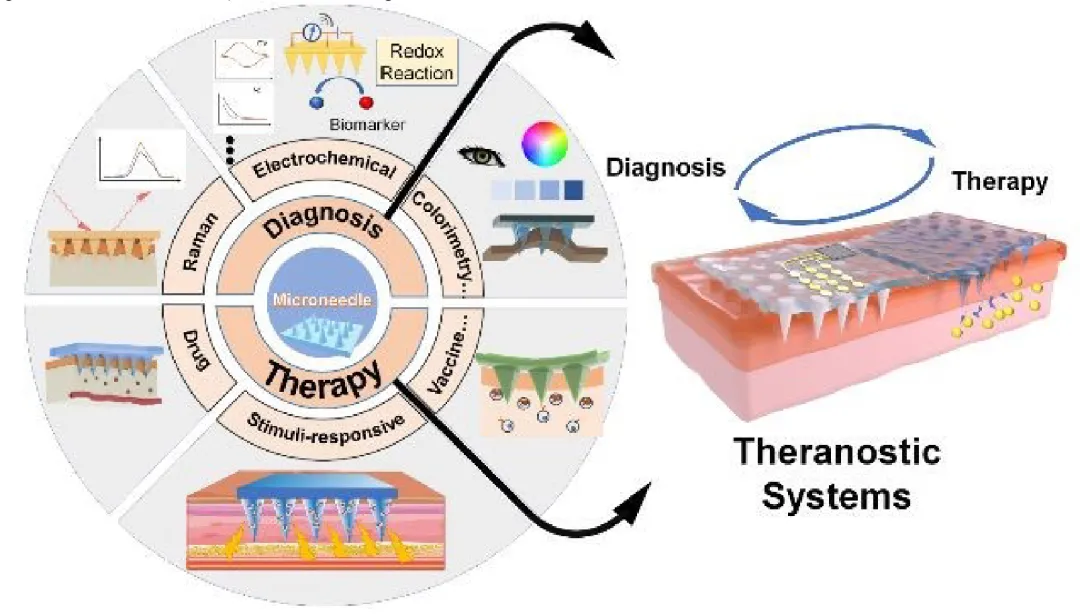
Review of microneedles design, fabrication, sensing, and transdermal delivery; covers wearable integration, stimuli-responsive systems, skin-penetration and biofouling issues.

Technical overview of low-power solutions for medical wearables, covering RSL10/RSL15 SoCs, audio DSPs, miniaturization, power management, and regulatory considerations.
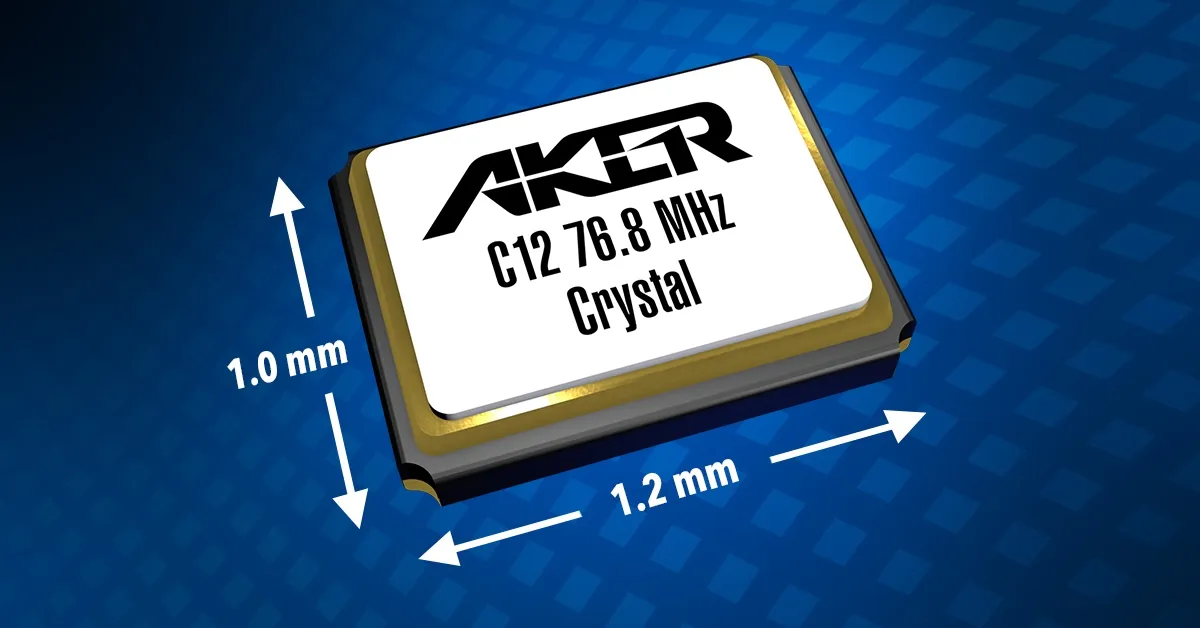
Technical overview of implementing 1.2mm x 1.0mm crystal oscillators, covering material selection, packaging, electrode techniques, frequency trimming, thermal management.

Technical overview of 2025 wearable trends and design: AI-driven health monitoring, advanced sensors, low-power MCUs, power management and BLE connectivity

Technical overview of wearable RPM design using MAX86178 AFE and MAX77659 SIMO PMIC for low-power, compact continuous monitoring of ECG, SpO2, and respiration.

Technical overview of TMR sensors and quantum sensors, covering tunneling magnetoresistance, sensitivity and SWAP-C tradeoffs, and applications in navigation, automotive, and IoT.

Wearable gel-free ECG patch using gold thin-film dry electrodes and a hexagonal maze geometry for improved signal fidelity, wireless Bluetooth telemetry and biocompatibility.
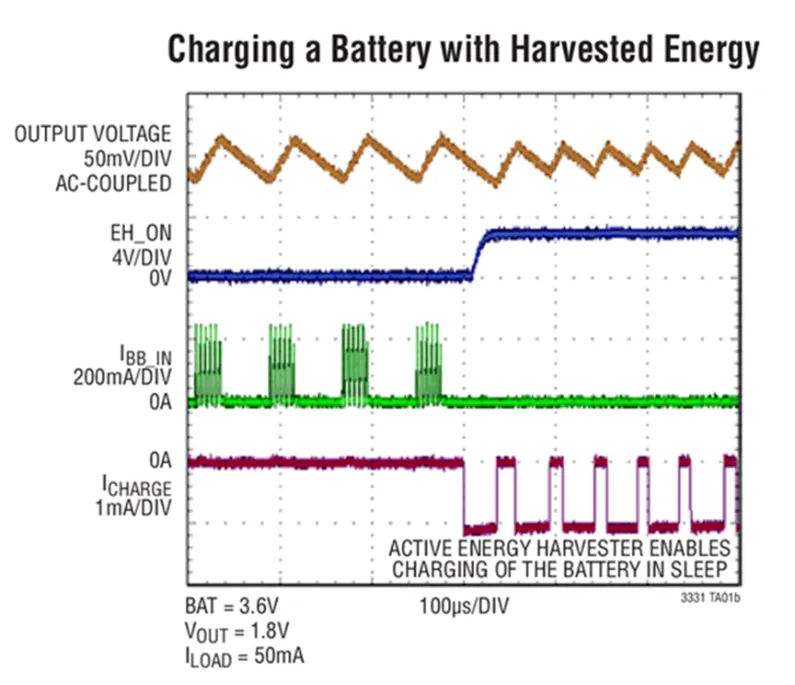
Review of design requirements and ADI power conversion ICs for medical wearables, focusing on energy harvesting, ultra-low-power DC/DC converters and battery-extension techniques.
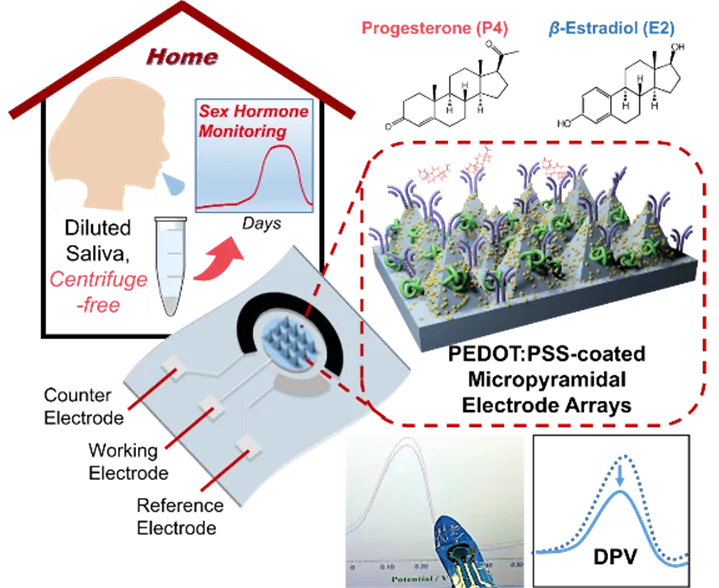
Flexible PEDOT:PSS/AuNPs micropyramid immunosensor enabling sub-femtomolar electrochemical detection of salivary progesterone and estradiol for at-home monitoring.
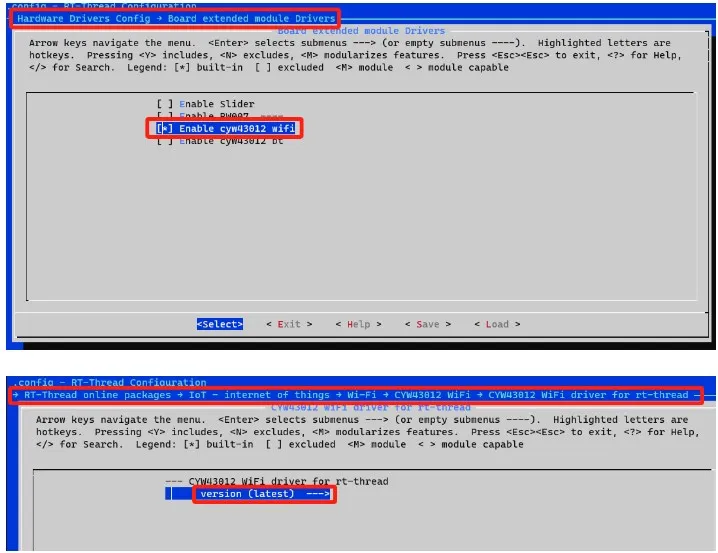
Guide to using the CYW43012 SDIO Wi-Fi/Bluetooth module on an evaluation board: hardware connections, 1.8V SDIO setup, BSP configuration and build steps.