 ALLPCB
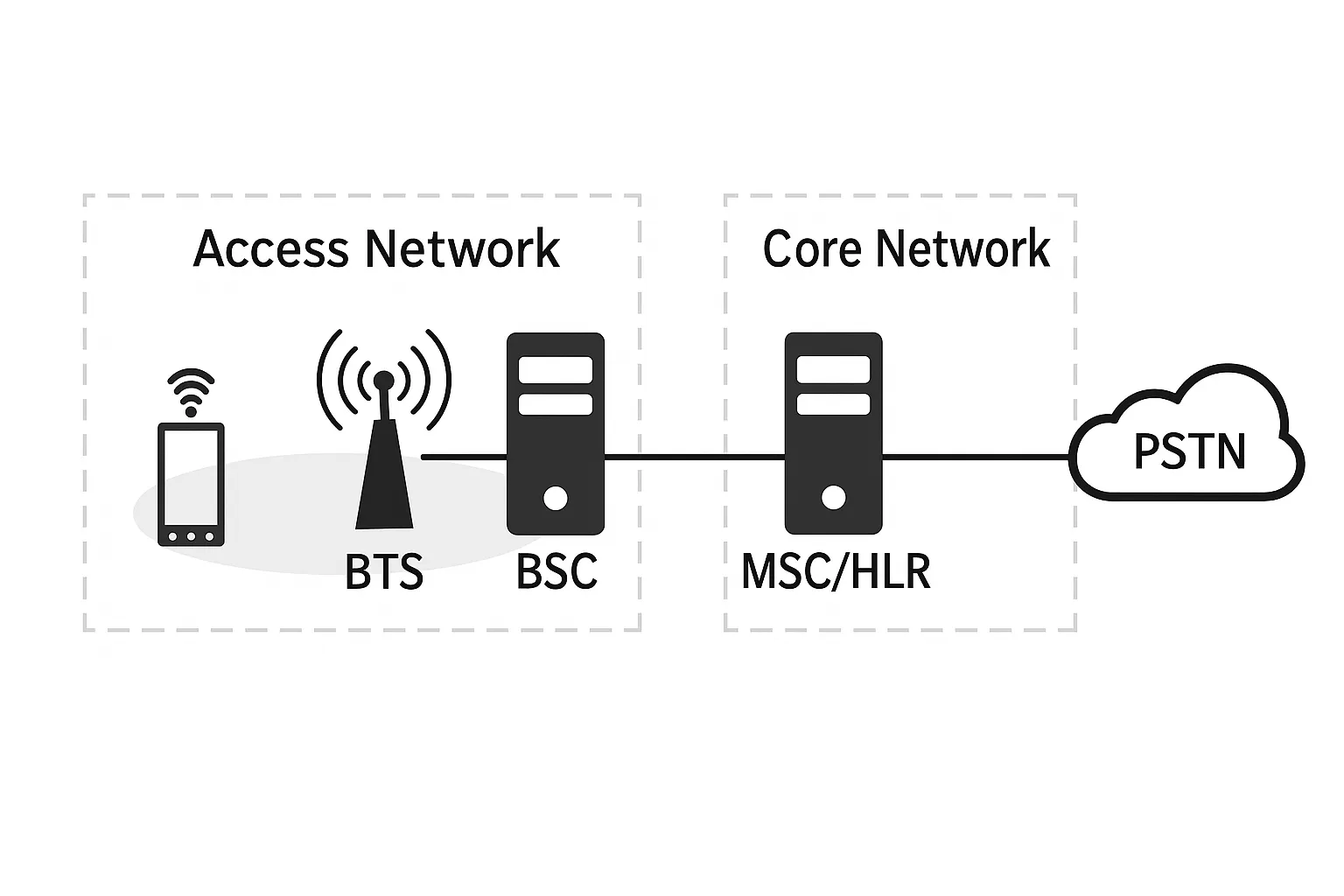
History of Mobile Communications
Chronological account of mobile communications evolution from 0G to 5G, covering GSM, CDMA, LTE and 3GPP standardization, technical milestones and consolidation.



Chronological account of mobile communications evolution from 0G to 5G, covering GSM, CDMA, LTE and 3GPP standardization, technical milestones and consolidation.
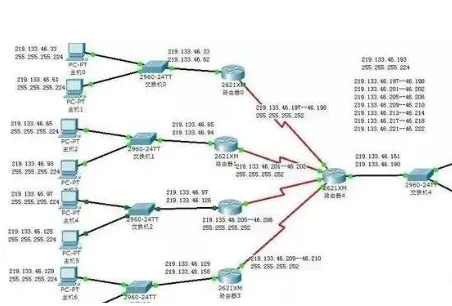
Explains why 192.168.1.x can run out and practical solutions: adjusting subnet mask, adding routers, and using VLANs plus CIDR guidance for scaling LAN IP addresses.
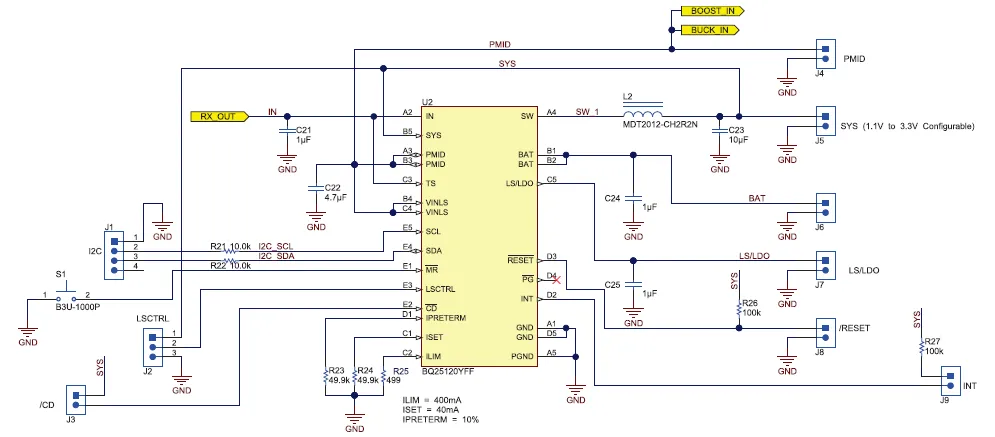
Technical overview of 2025 wearable trends and design: AI-driven health monitoring, advanced sensors, low-power MCUs, power management and BLE connectivity
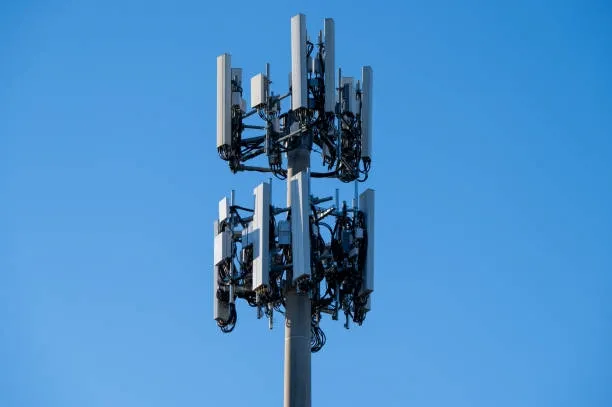
Overview of base station components and functions, and how proximity affects radio field strength and radiation; covers antennas, transceivers, controllers, and power control.
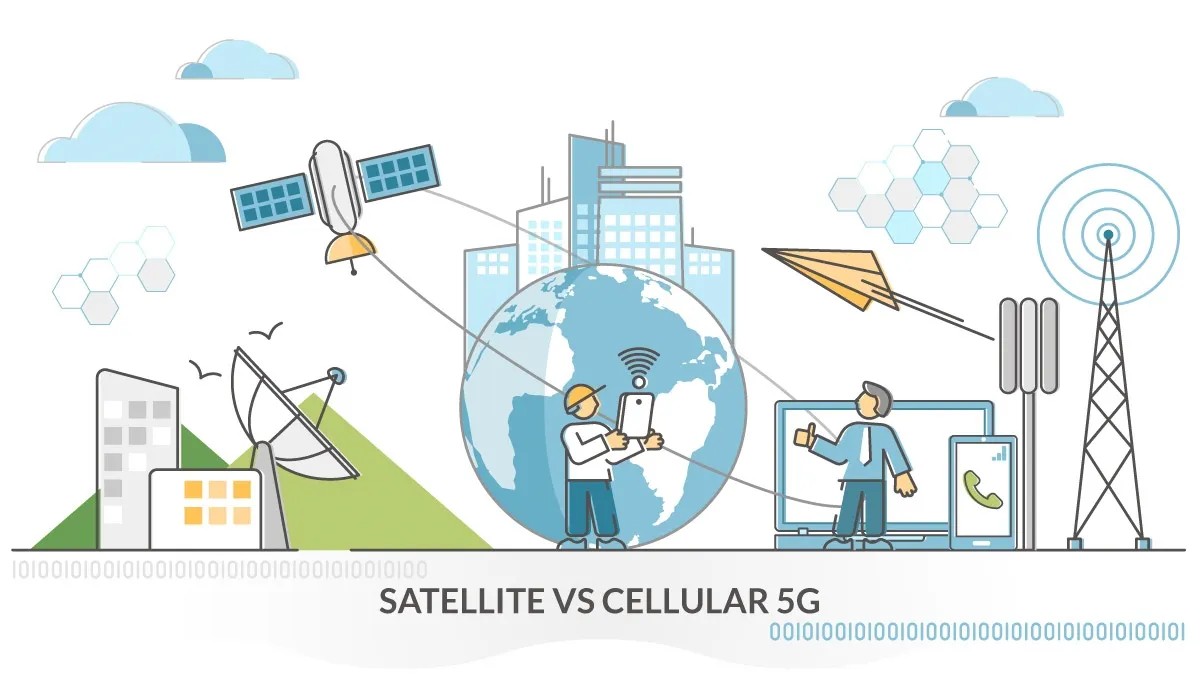
Technical comparison of satellite communication and 5G covering coverage, data rate, latency, cost, use cases, and disadvantages of high-throughput satellites for deployments.
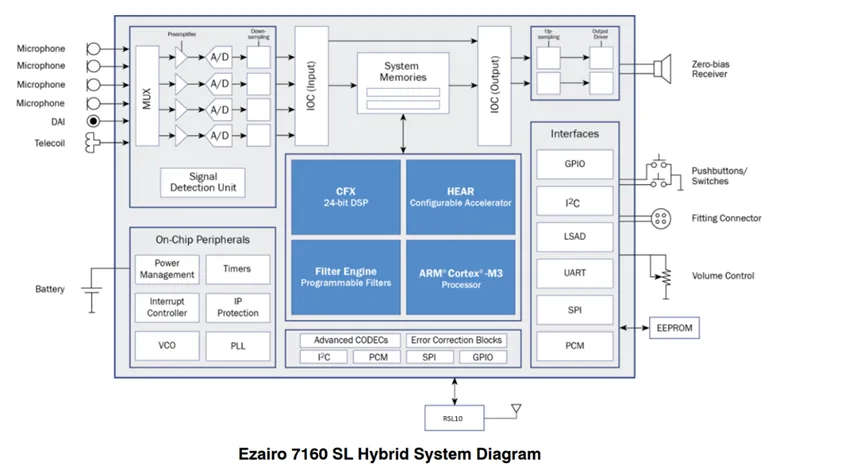
Technical overview of low-power solutions for medical wearables, covering RSL10/RSL15 SoCs, audio DSPs, miniaturization, power management, and regulatory considerations.
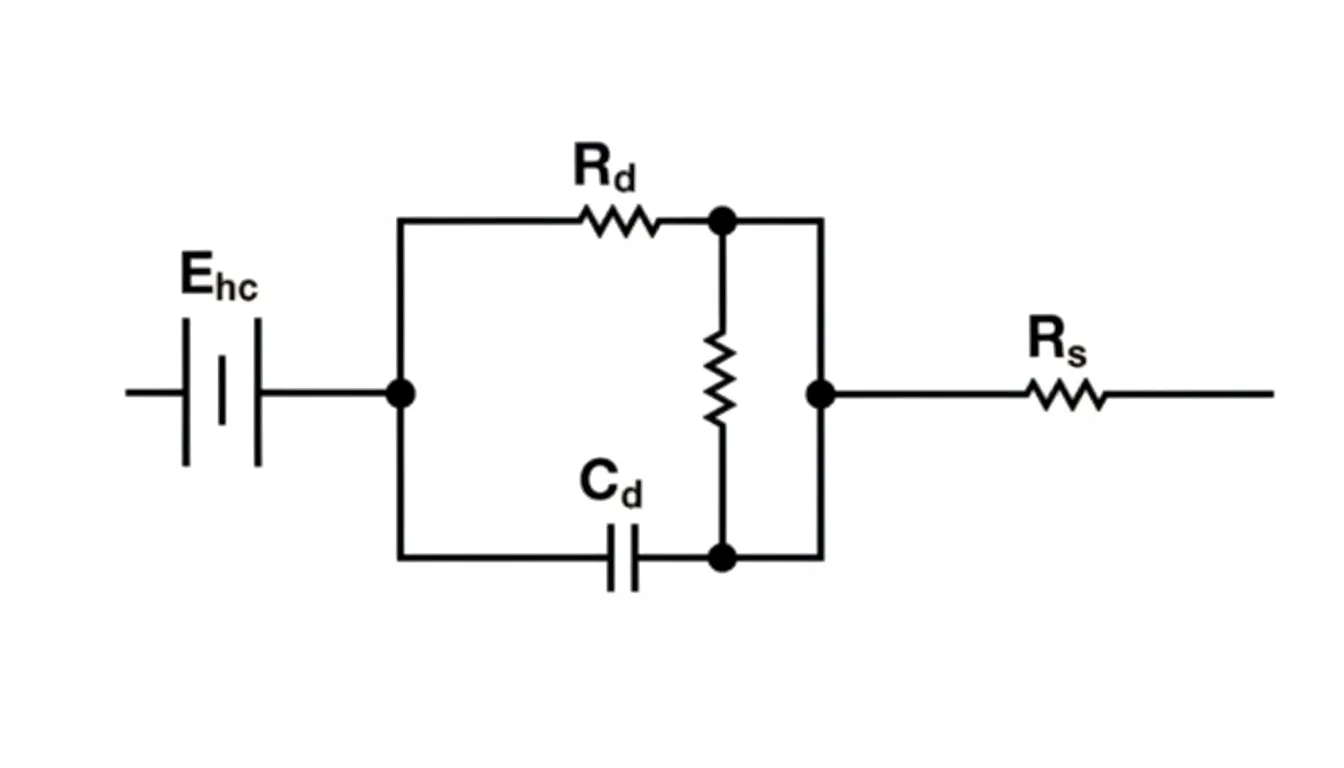
Technical overview of wearable bioimpedance measurement: electrode half-cell potential and electrode-to-skin impedance, IEC 60601 limits and ADuCM350 circuit solutions.
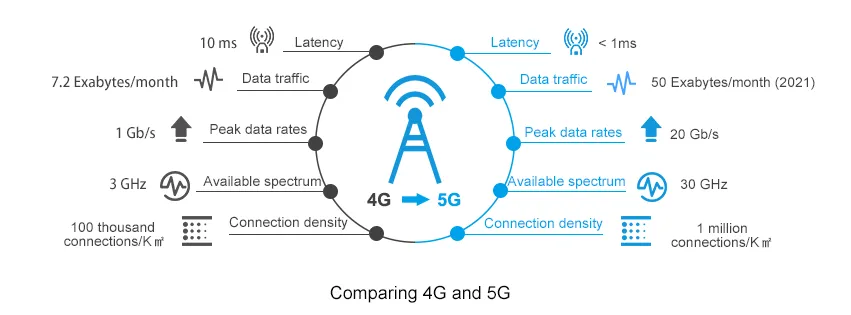
Compare 5G routers and 4G routers: differences in frequency bands, transmission speed, coverage, latency, and device capacity to guide deployment decisions.
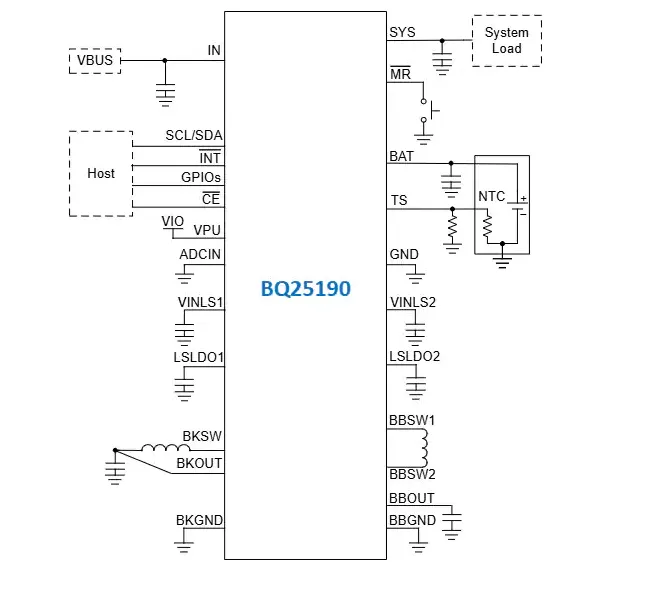
TI bq25190 linear battery charger for wearable devices: integrated power-path, buck and buck-boost regulators, LDOs, ADC, I2C programmability and ultra-low quiescent current.
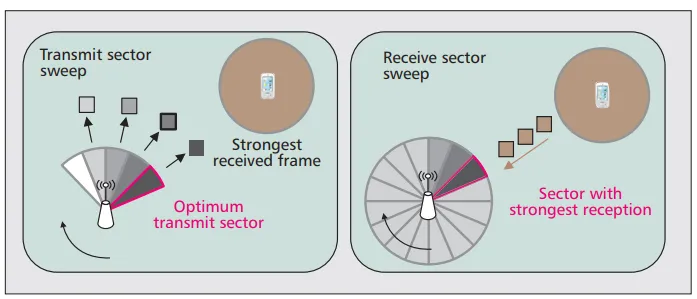
Overview of directional transmission and beamforming in IEEE 802.11ad: sector-level sweep (SLS) and beam refinement protocol (BRP) for 60 GHz links.