 ALLPCB

AI Use Cases in Wireless Systems
AI in wireless systems: technical review of 5G use cases, ML-driven channel estimation and resource allocation, data-quality and testing best practices for telecom and automotive.



AI in wireless systems: technical review of 5G use cases, ML-driven channel estimation and resource allocation, data-quality and testing best practices for telecom and automotive.
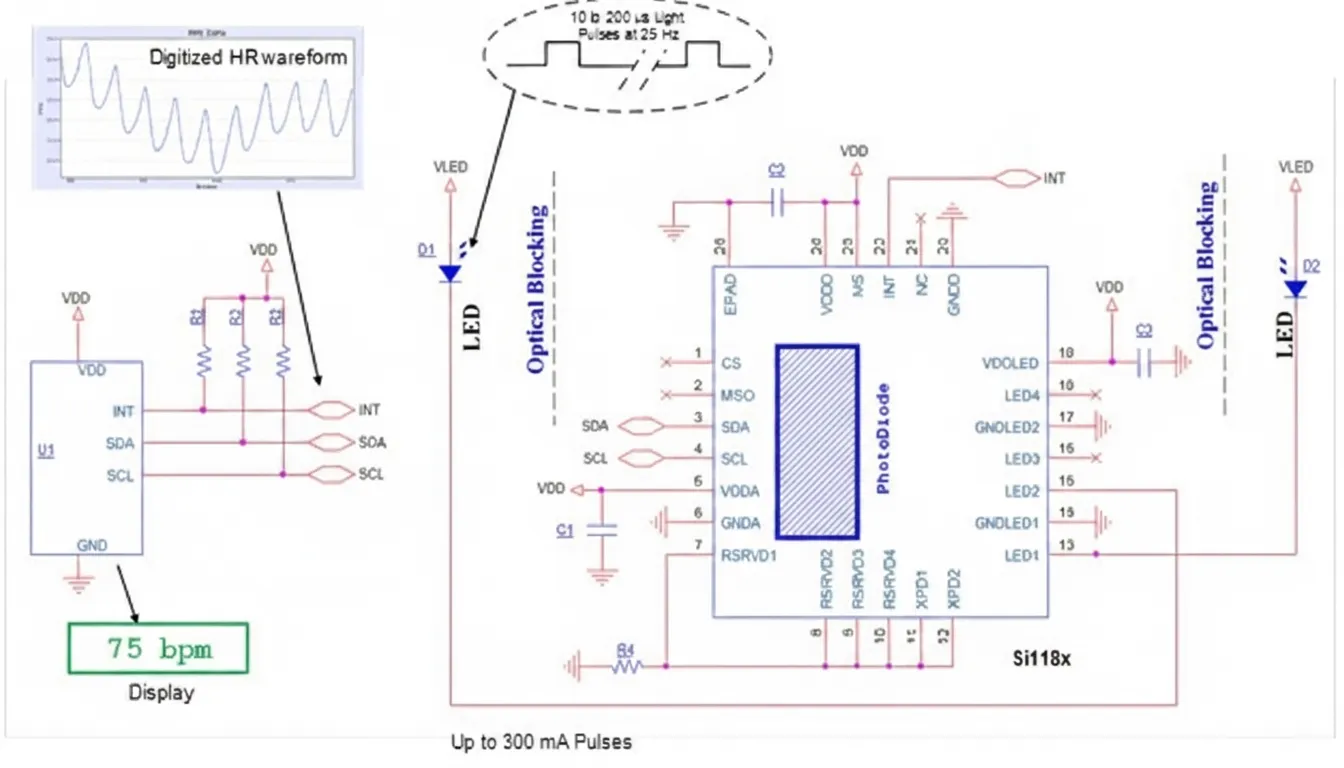
Technical overview of photoplethysmography (PPG) design for optical heart-rate monitoring, covering LEDs, photodiode interface, drivers, integration, and algorithm trade-offs.
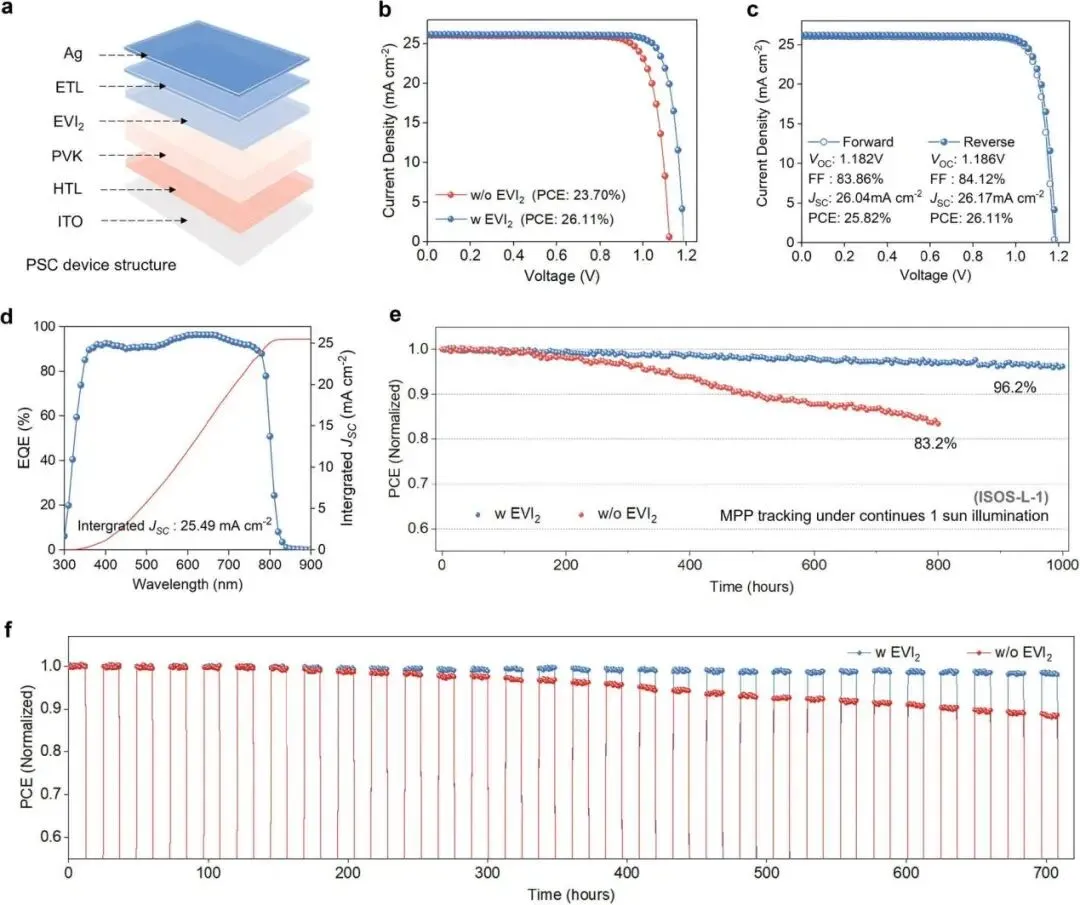
Dual-function EVI2 perovskite strategy enabling 26.11% PSCs (1000 h stability) and EVSn2I6 cathodes to form an all-perovskite PVB with 18.54% efficiency.
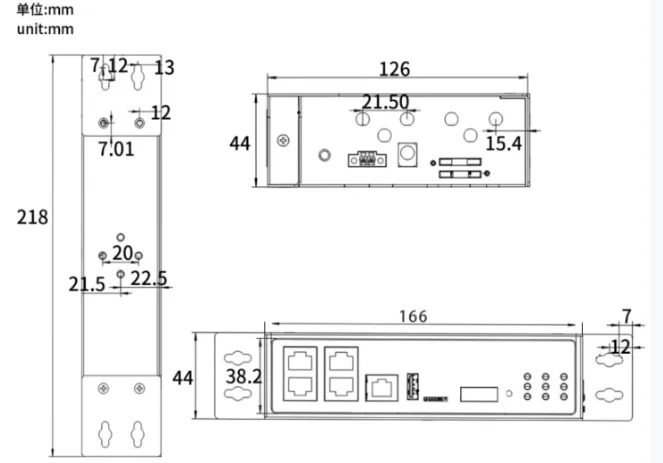
Overview of dual-antenna functions and internal structure of a 5G industrial router, covering MIMO, signal diversity, interfaces, CPU, memory, security, and throughput.
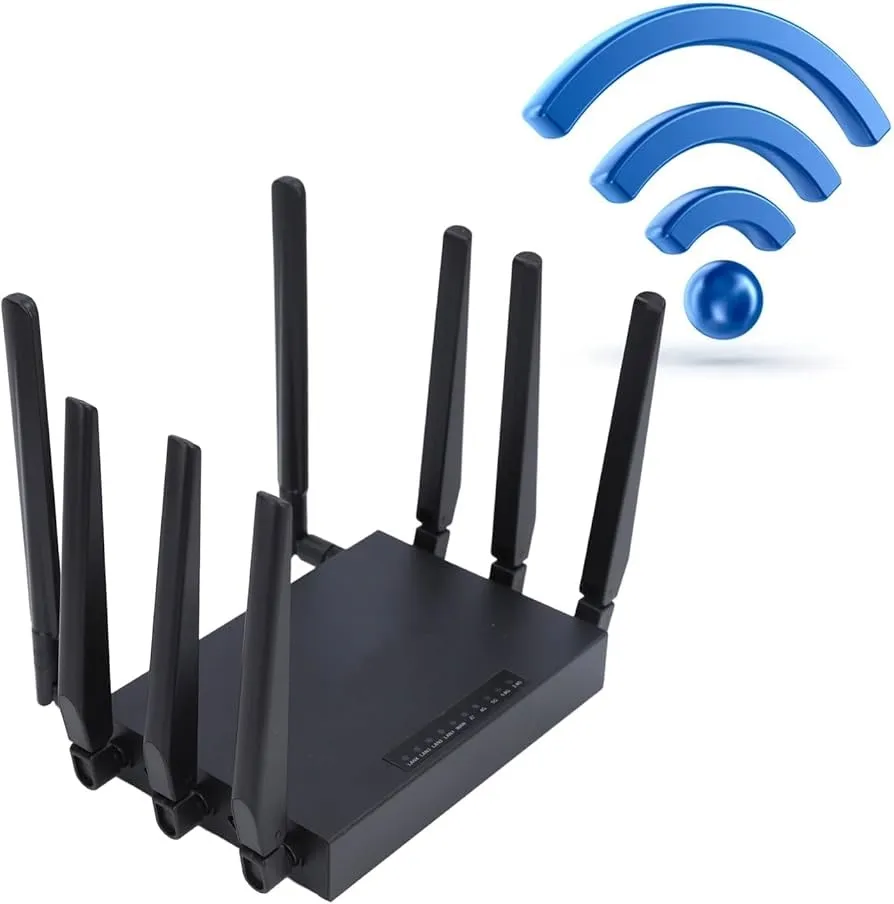
Guide to selecting and configuring a 5 GHz router: criteria for Wi?Fi 6 hardware, antennas, channels, security and basic setup steps.

Overview of digital therapeutics: evidence-based software interventions integrating wearables, sensors, and clinical workflows to prevent, manage, and treat disease.
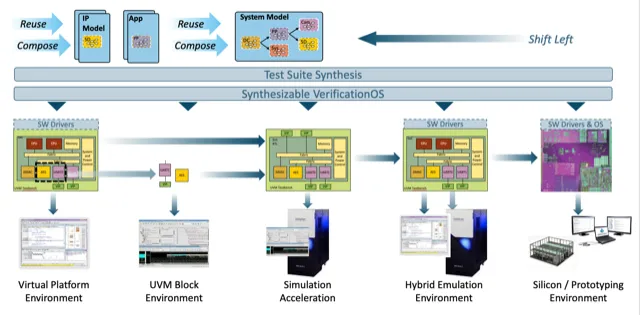
Overview of SoC prototyping evolution, FPGA prototyping tools, commercial solutions, partitioning challenges and industry acquisitions shaping verification workflows.

5G deployment and autonomous driving architecture in China: 5G (100× 4G traffic) enables AI-based perception and ML/deep learning control with low-latency vehicle communication.
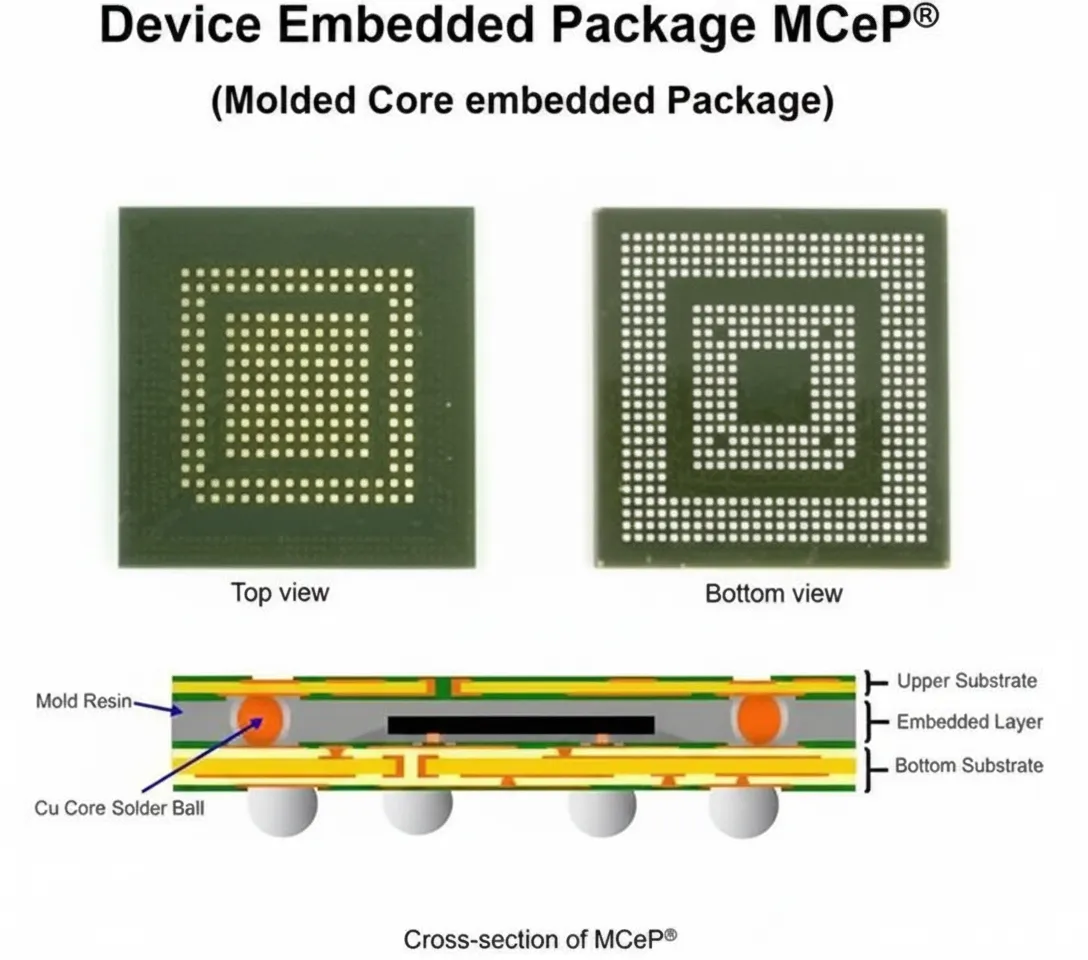
Technical and market overview of wearable devices, covering sensors, ultra-low power design, connectivity, AR/VR, industry bottlenecks and investment opportunities.

Overview of how battery capacity, leakage current and termination current affect runtime in low-power wearables, with charger IC recommendations.

Technical overview of ADI's GEN II wearable platform: wrist/patch design integrating ECG, PPG, EDA, bioimpedance, motion and temperature with ADuCM3029 MCU for multimodal sensing.
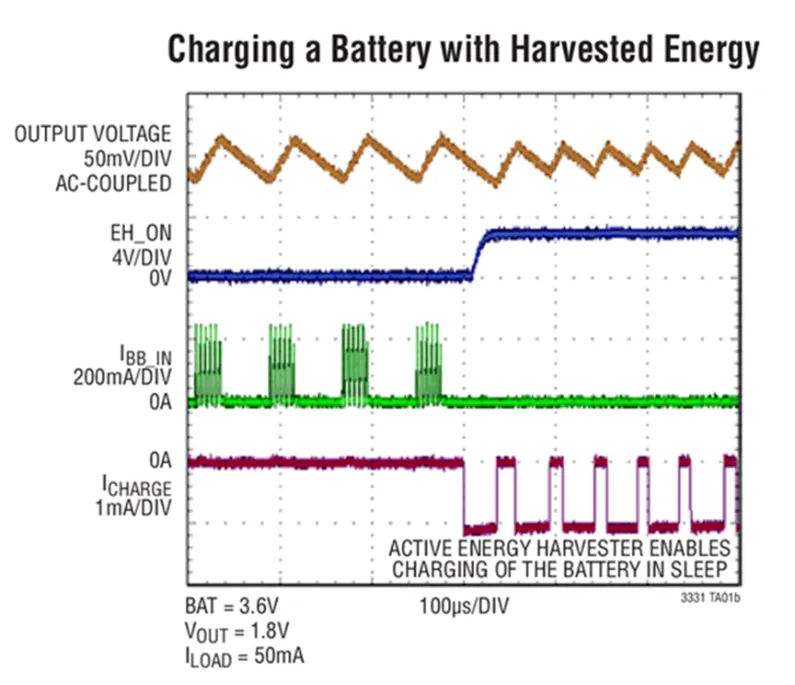
Review of design requirements and ADI power conversion ICs for medical wearables, focusing on energy harvesting, ultra-low-power DC/DC converters and battery-extension techniques.

Explains RedCap (Reduced Capability) 5G standard from Release 17, its IoT background, and how 5G RedCap base stations differ in speed, latency, capacity, and slicing.

Technical overview of integrating accelerometers into wearable designs, covering MEMS devices (MMA3202), multi-axis inertial modules, interfaces (SPI/I2C), and PCB integration.
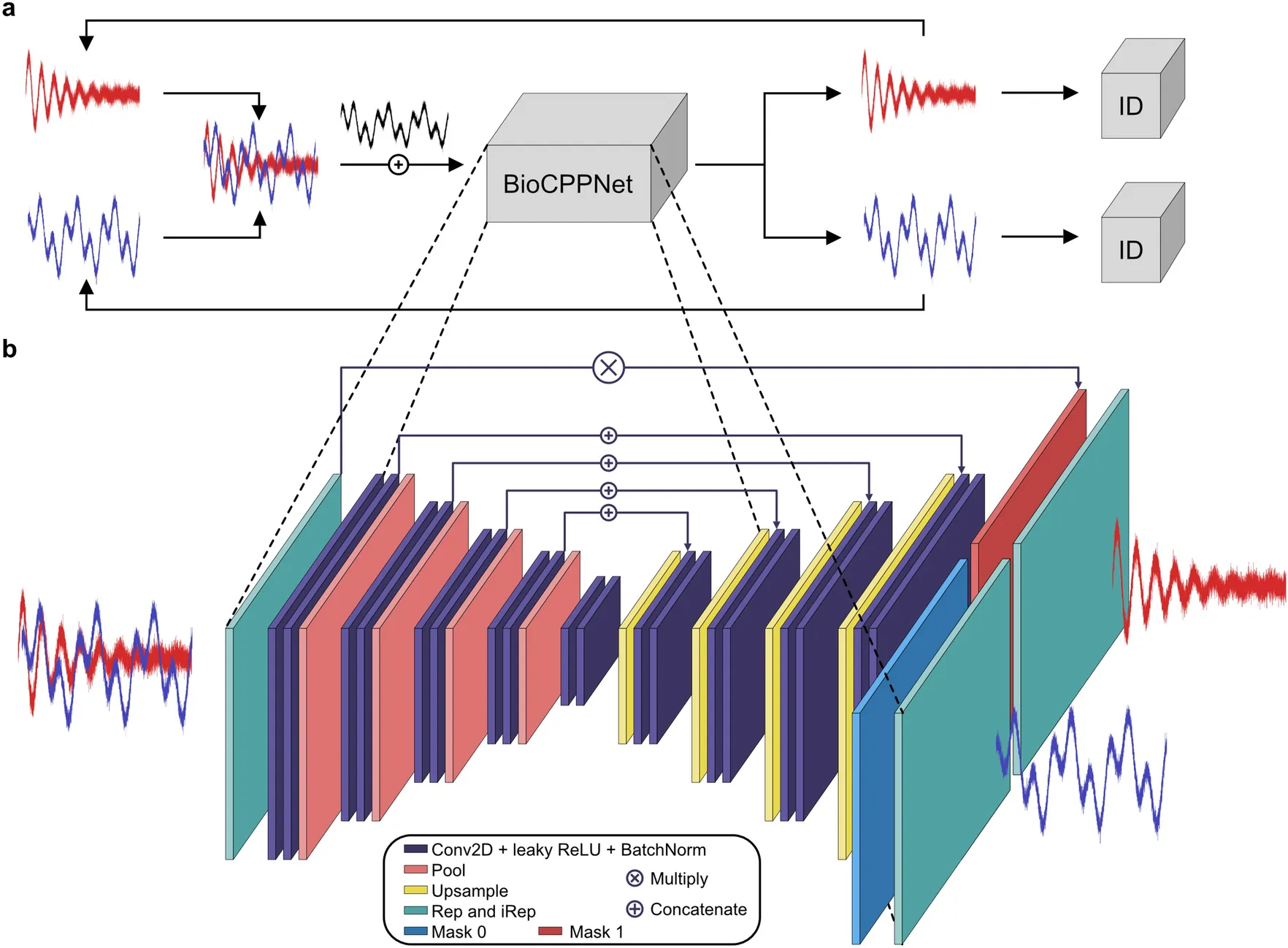
Overview of acoustic source separation techniques for embedded devices, detailing DNN and cochlear (CASA) methods to improve speech recognition in noisy environments.

Proposes a cryptography-based security architecture and closed-loop management for 5G/6G satellite internet, embedding identity, trust, and adaptive security into network resources.

MAXREFDES117 reference design for wearable PPG heart rate and SpO2 monitoring using the MAX30102 sensor; includes low-power hardware, Arduino/mbed firmware and test results.

Analysis of 5G C-band benefits: how wider radio channels (up to 100 MHz) improve spectral efficiency, throughput and lower cost per MHz compared to 4G LTE.

Technical review of emerging mmWave filters for 5G, comparing acoustic (SAW/BAW/XBAR), waveguide, microstrip and substrate waveguide approaches and size/performance constraints.

Review of skin-interfaced colorimetric sweat sensors and microfluidic timed sampling methods, valve designs, and electronic-free control for biomarker monitoring.