 ALLPCB

Can Brain–Computer Interfaces Truly Work?
Overview of Neuralink's FDA-approved BCI trials, ethical scrutiny, and technical limits of decoding intentions, applications, paradigms, and Chinese startups.



Overview of Neuralink's FDA-approved BCI trials, ethical scrutiny, and technical limits of decoding intentions, applications, paradigms, and Chinese startups.
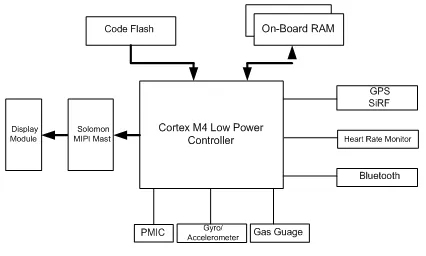
Overview of wearables IoT architecture and semiconductor needs, focusing on low-power memory and power/performance trade-offs for compact devices.
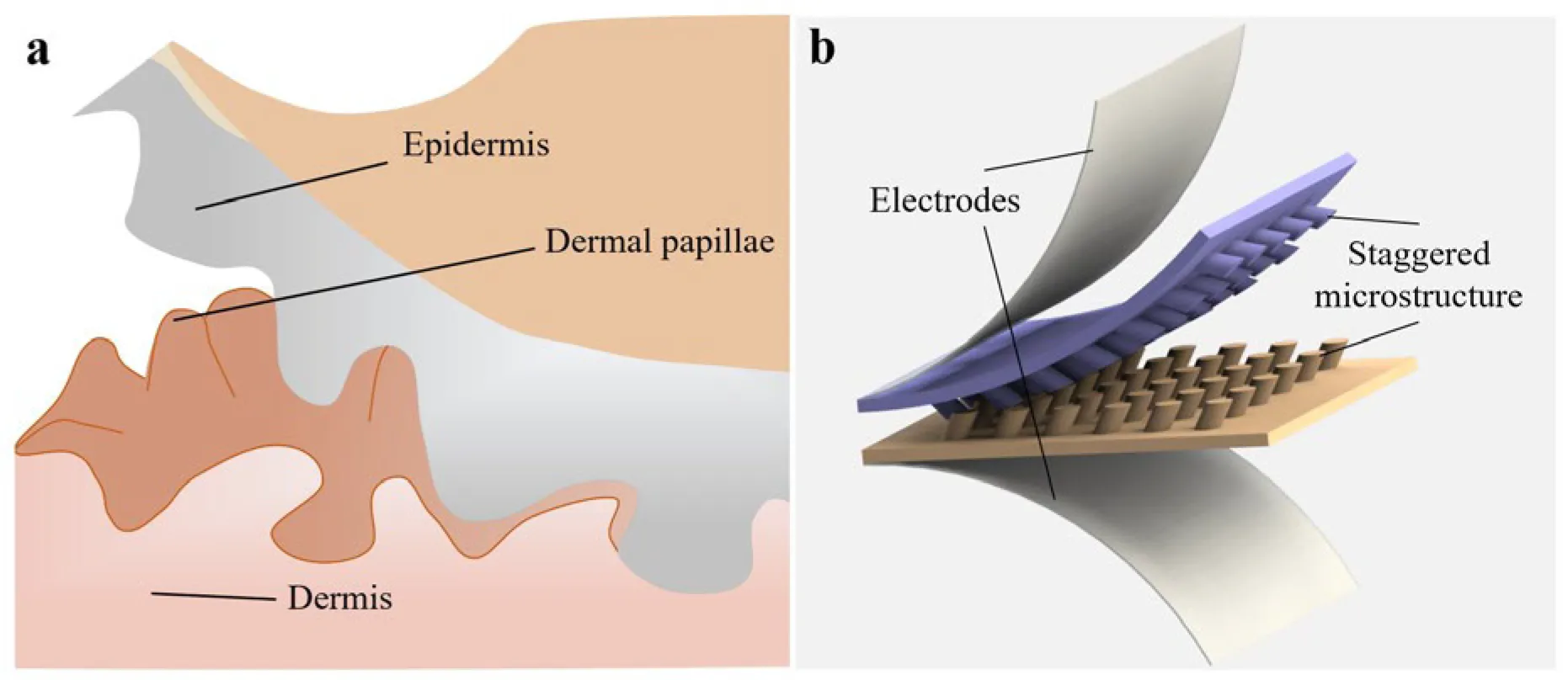
Ultrasensitive temperature sensor using asymmetrical polymer bilayer (APB) and thermal-mediated ion migration; 1.42 mK sensitivity enables robotic material recognition
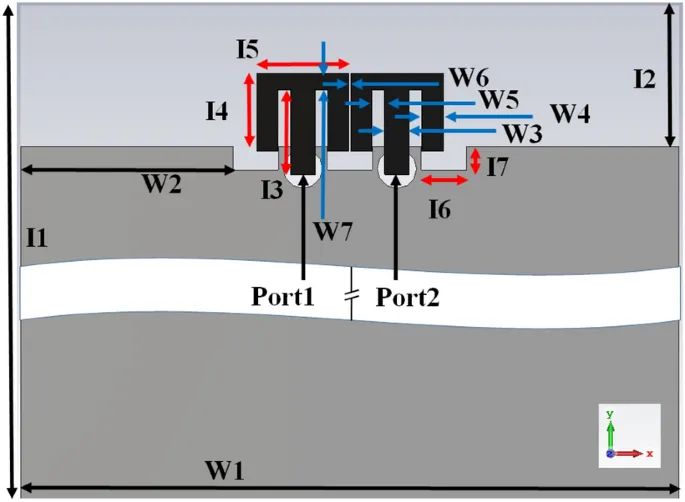
Overview of three MIMO isolation decoupling methods—ground-slot, ground-stub, and neutralization-line—covering design trade-offs, resonance tuning, and implementation constraints.
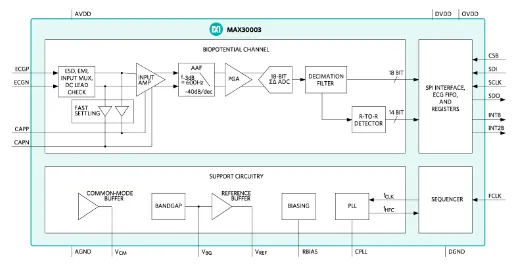
Review of biopotential theory and practical ECG measurement for chest-worn wearables, focusing on low-power AFE selection, analog bandpass filtering, and PMIC power schemes.
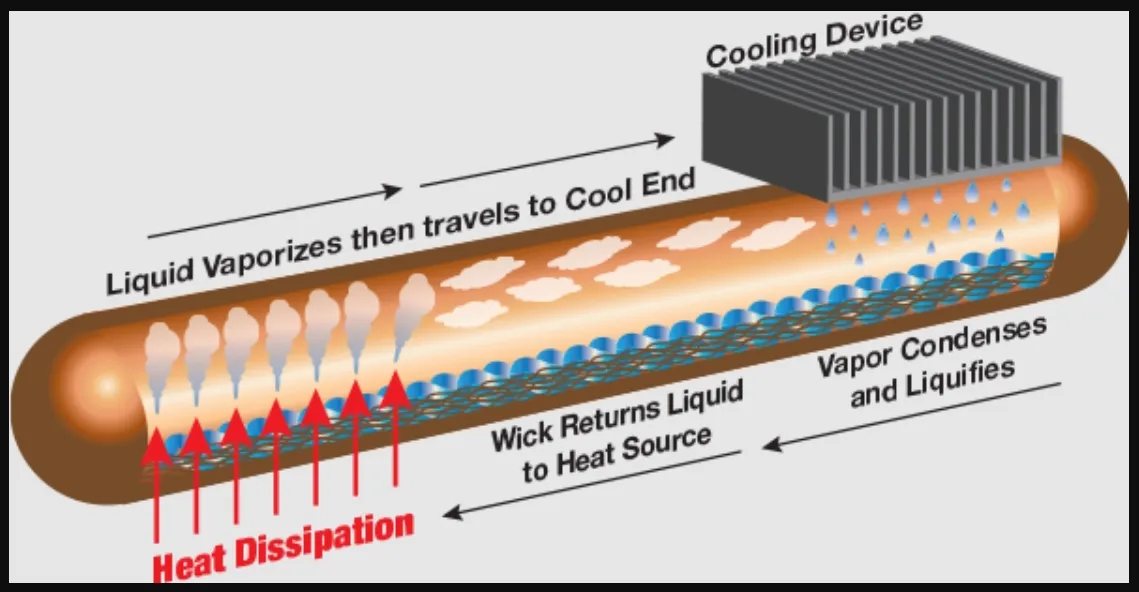
Technical overview of vapor chamber development for thermal management, covering wick structures, materials, and high heat?flux performance and limits.
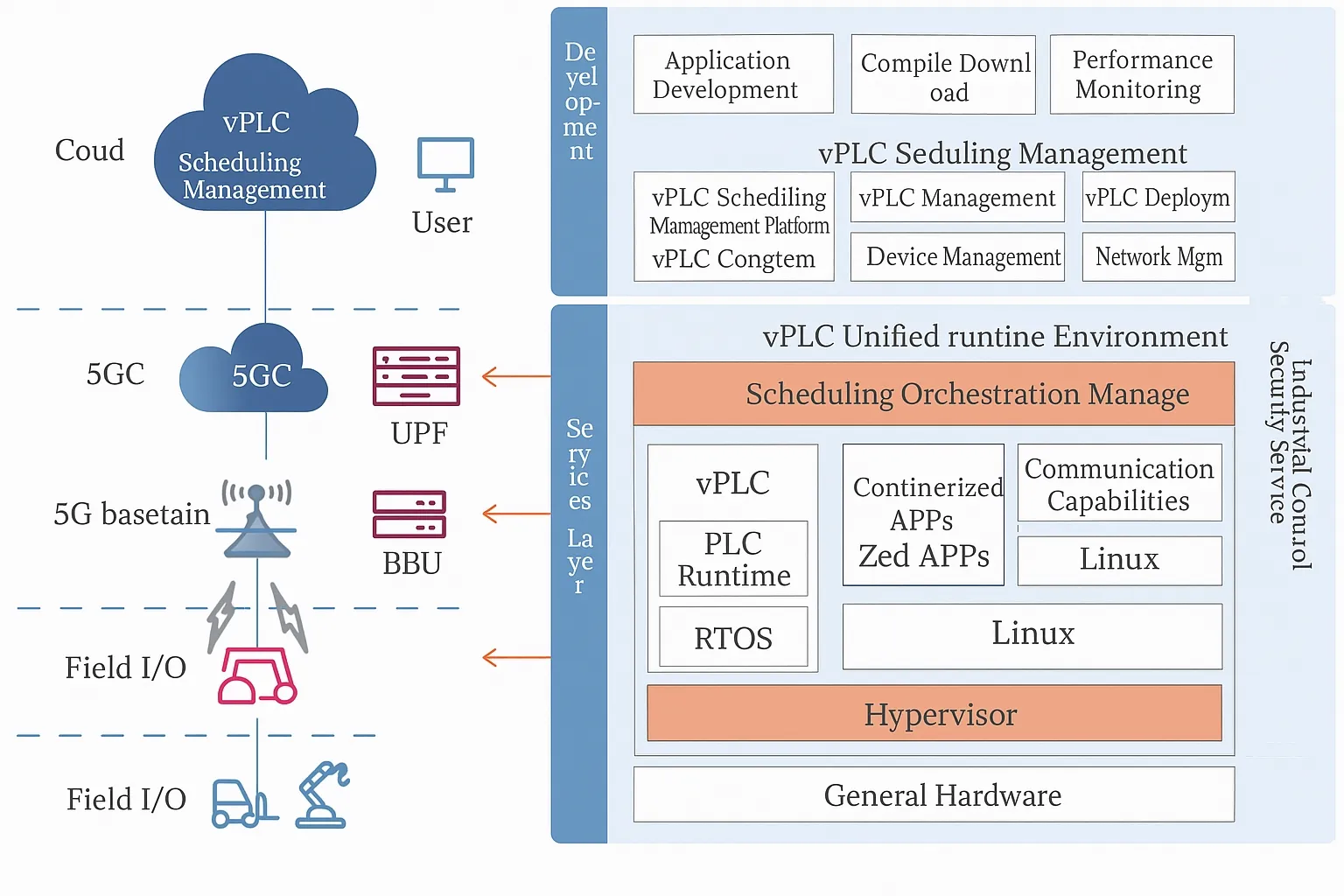
Technical overview of vPLC for 5G industrial control: architecture, real-time virtualization, deterministic networking, orchestration, implementation and field trial results.
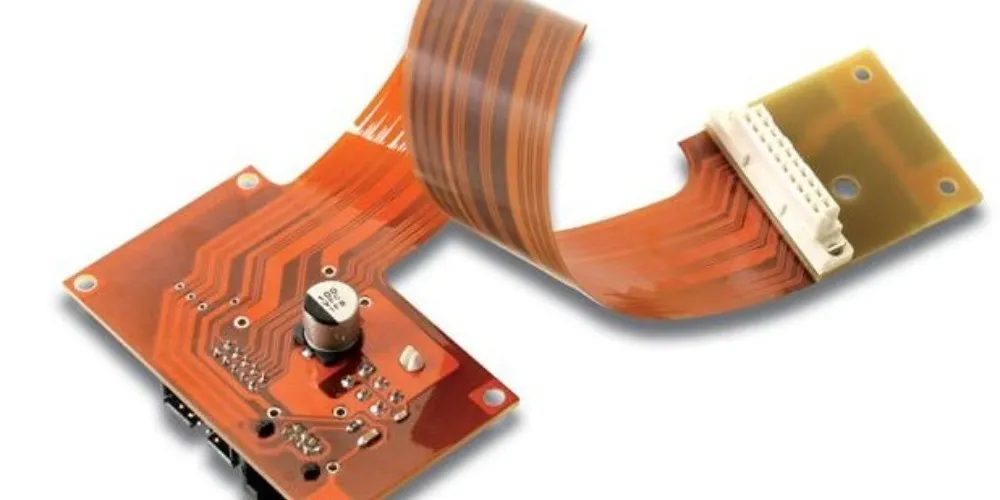
Overview of flexible printed circuits (FPC): common non-metal die-cutting auxiliary materials—FR-4, polyimide tape, TPX resist, EMI shielding film, and conductive adhesive.

Overview of vital signs monitoring techniques and sensor signal chains, covering optical measurements, bioelectric/bioimpedance, MEMS sensors, and ADPD4000 front ends.
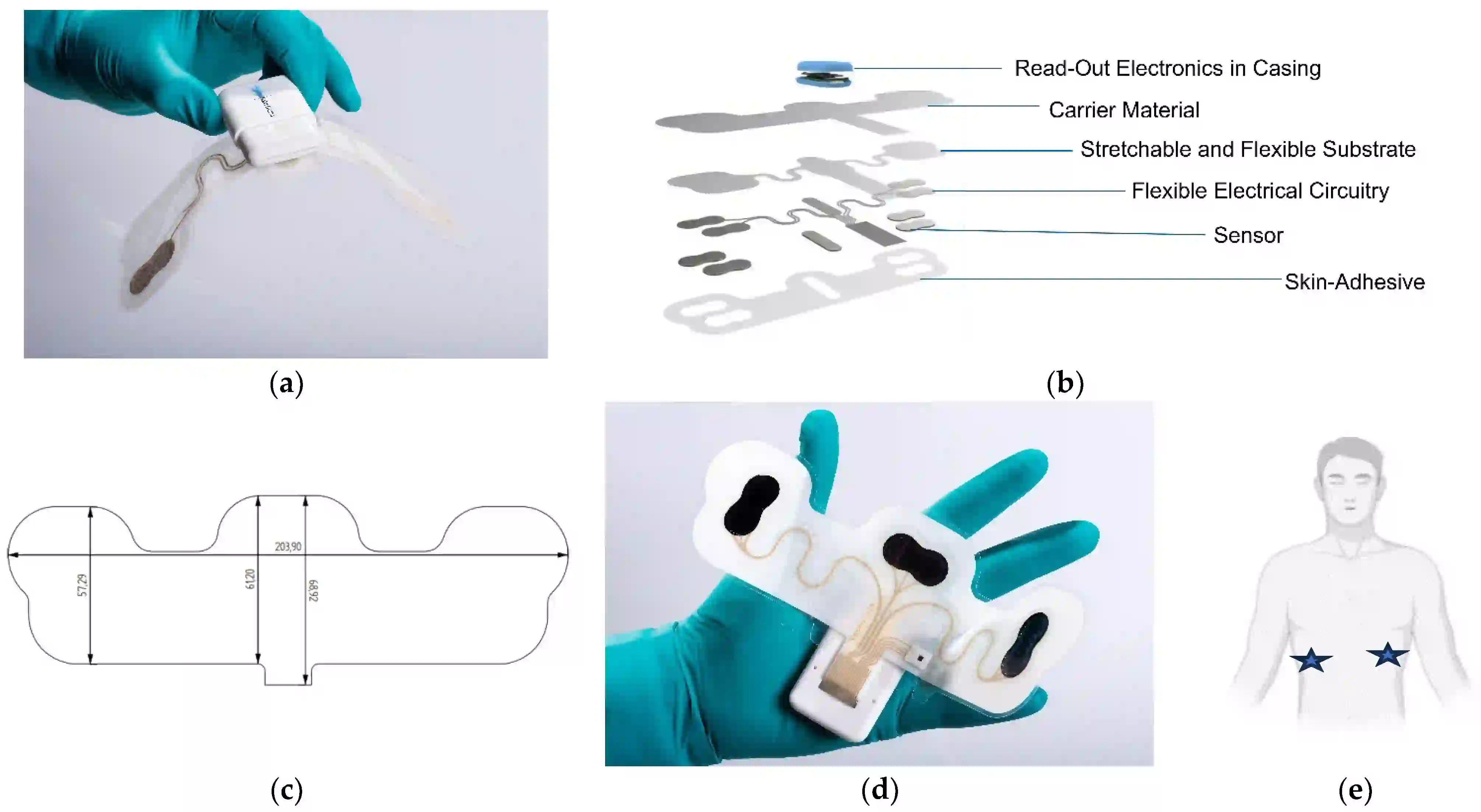
Overview of wearable health technologies for engineers: wearables and remote monitoring, embedded sensors, and reference designs for developers.
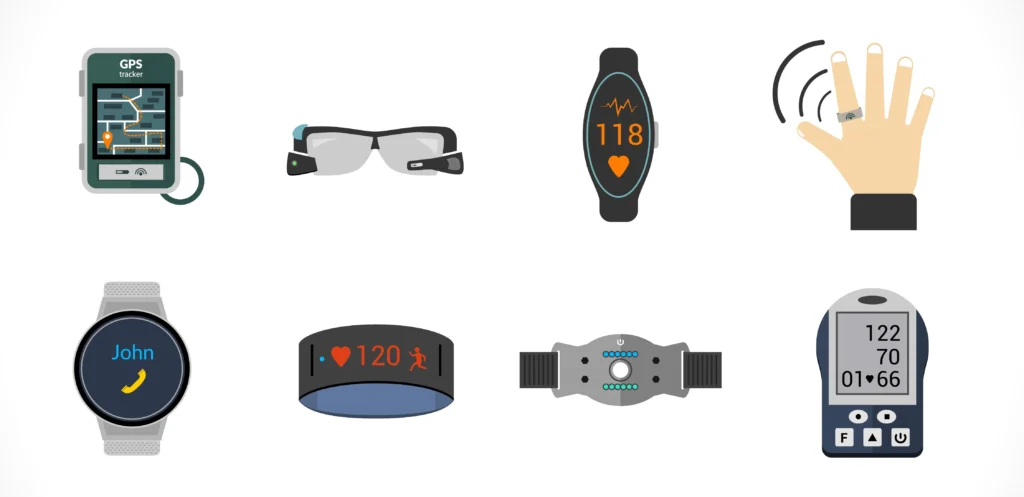
Overview of wearable technology: architectures, sensors, energy harvesting, smart coaching, virtual assistants and mobile health monitoring for engineers.
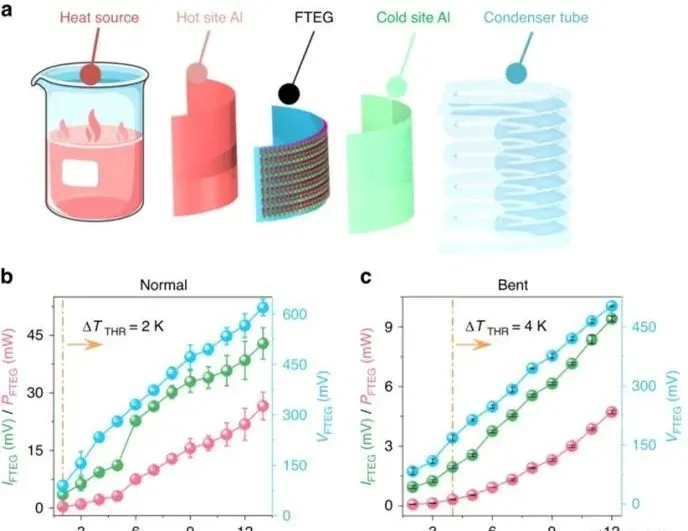
Flexible thermoelectric generator and energy management system harvest body heat to power a self-powered wearable wristband for continuous BLE health monitoring.
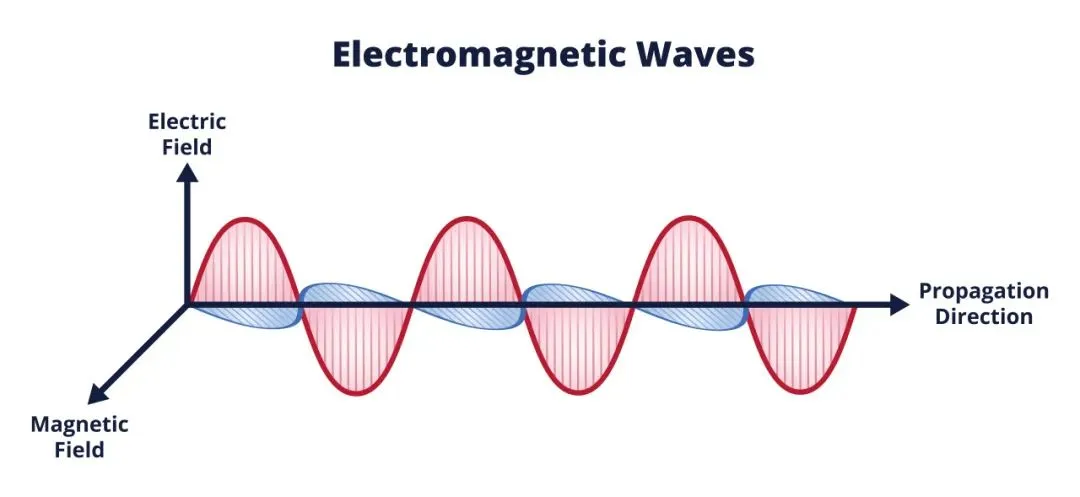
Technical overview of 6G and terahertz (sub-THz) research: 100 Gbps–1 Tbps throughput targets, RF/baseband challenges, and THz benefits for NTN, SNR, dense antennas.
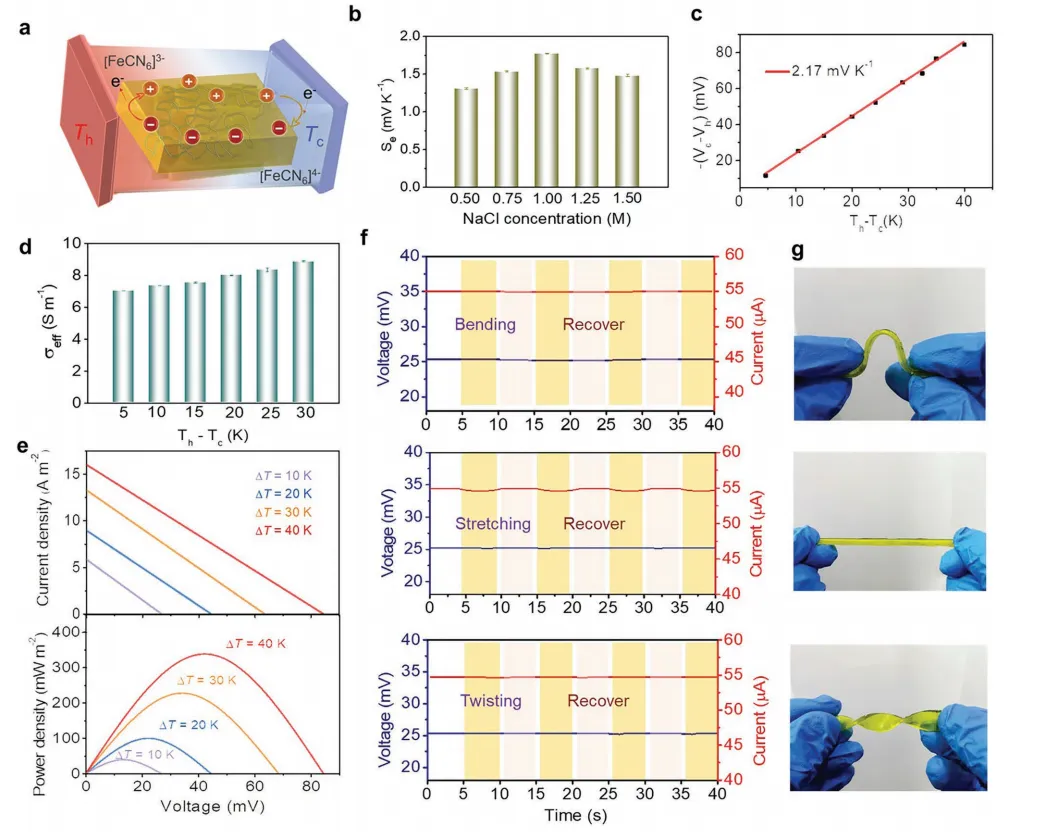
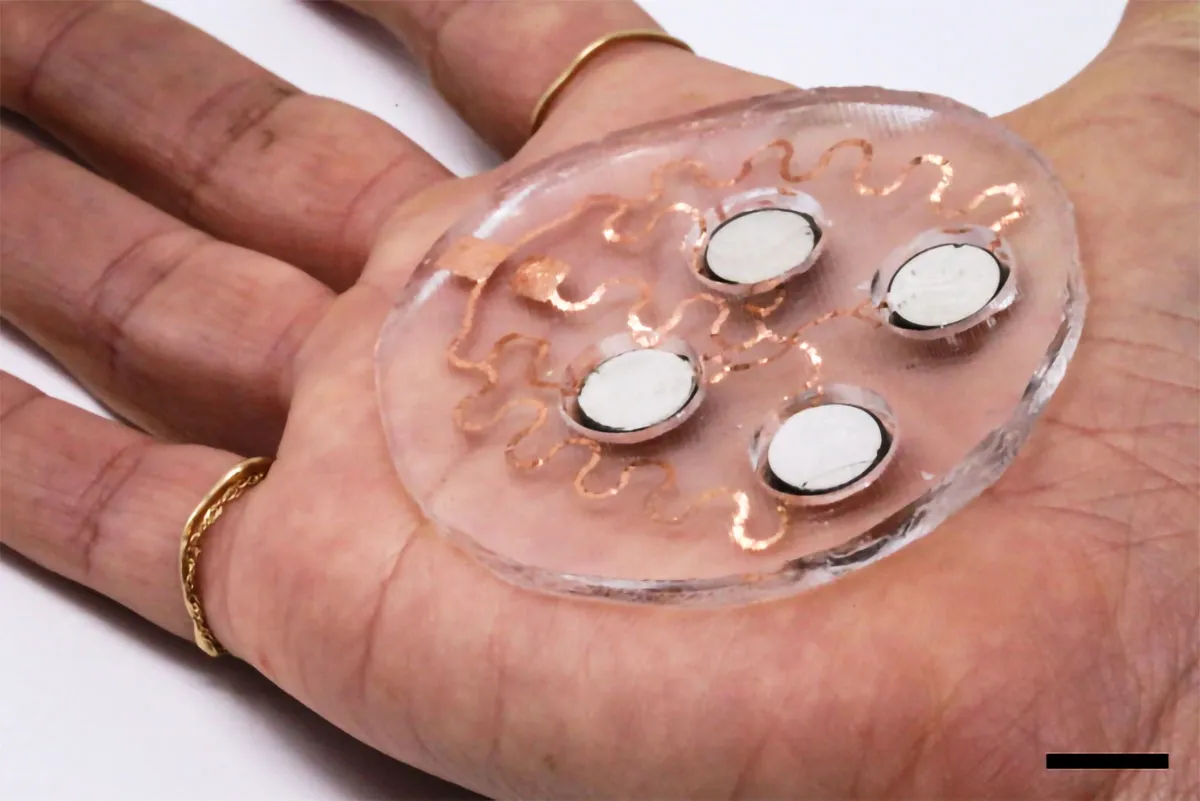
PNAGA-F68 supramolecular hydrogel thermocell delivers high ionic conductivity, robust mechanics, and NIR-II photothermal response for light-remote self-powered sensing.
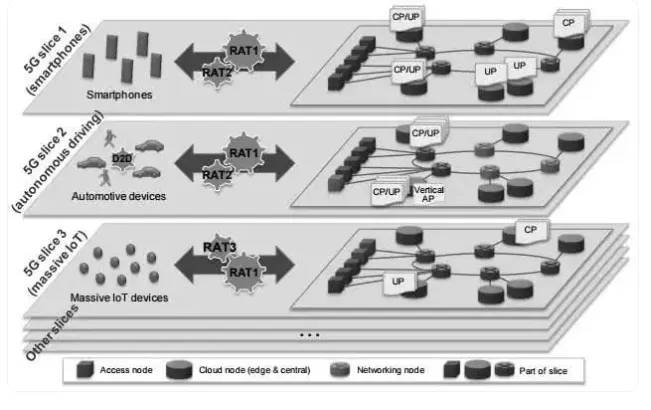
Explains 5G network slicing: virtualized end-to-end slices across RAN, core and transport, enabled by SDN/NFV with resource scheduling, isolation and security.
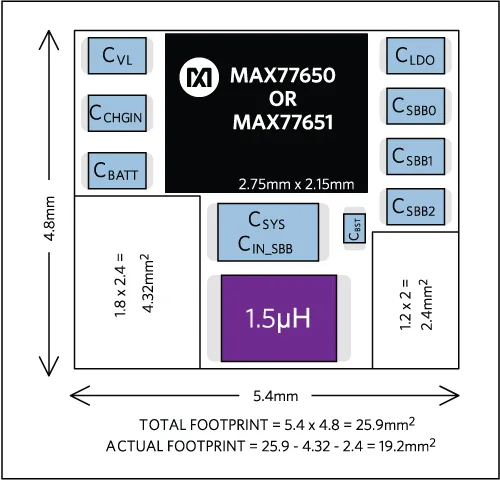
Technical overview of SIMO PMICs for wearables: single-inductor multiple-output DC-DC converters, design trade-offs vs LDOs/inductor regulators; examples MAX77650 & TPS65135.
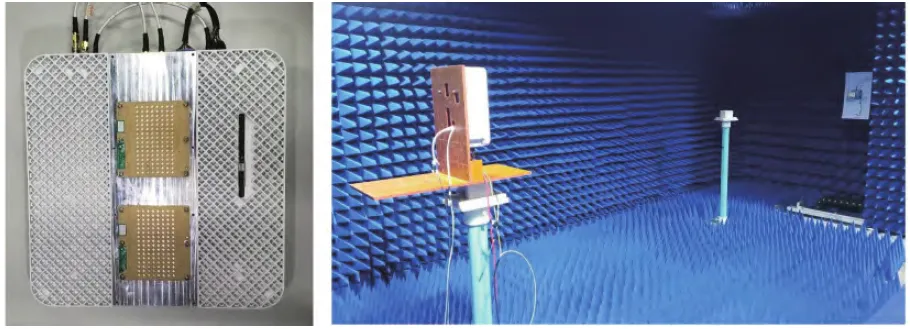
Design and test of an 8x16 5G millimeter-wave active array package antenna: coupled differential-fed subarrays, Wilkinson feed network, +/-60 deg scan and EIRP >60 dBm.
Technical overview of TI TPS631000 buck-boost converter for wearables: 1.6–5.5V input, 1.2–5.3V output, 8μA quiescent current, compact SOT-583 package.
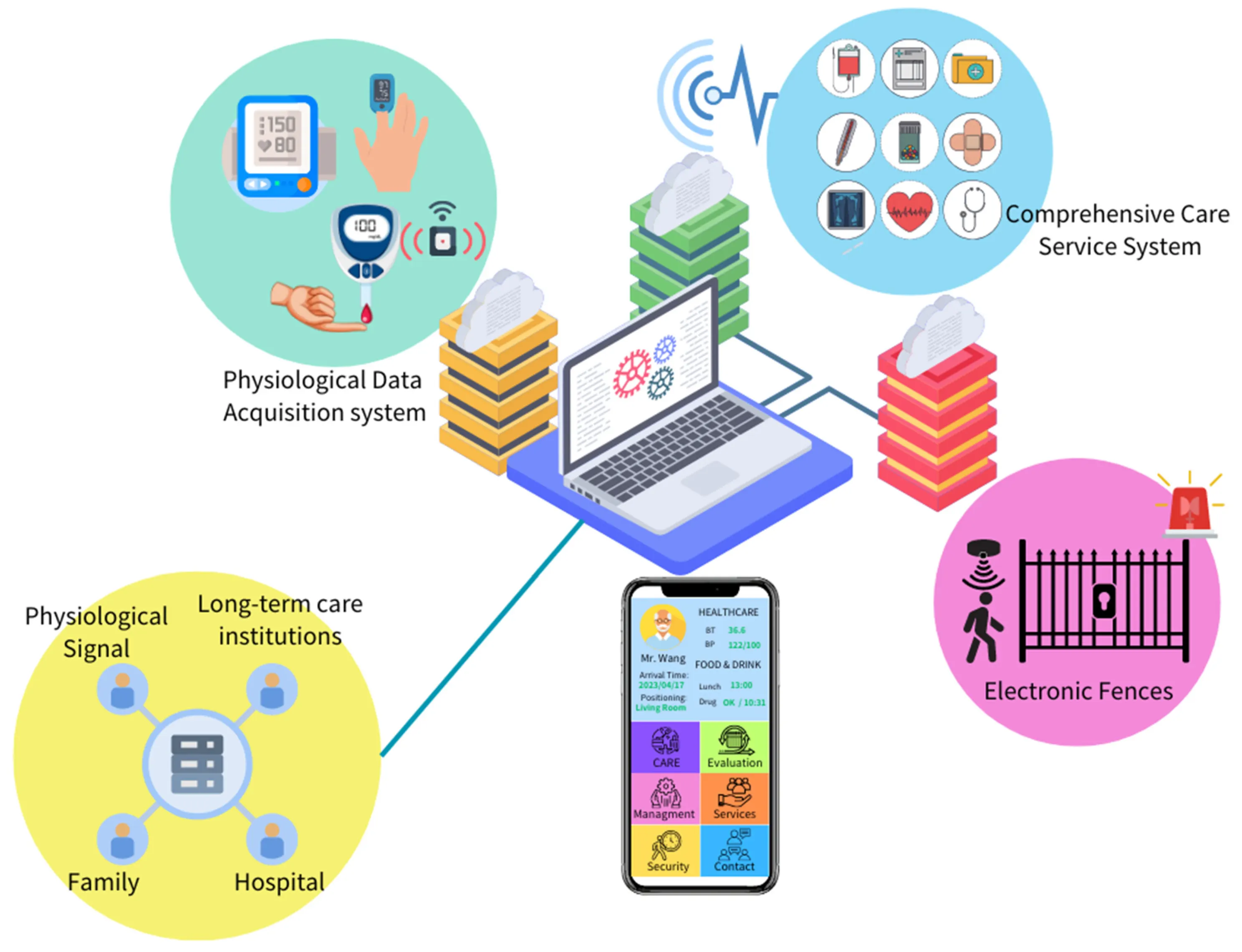
Overview of how IoT enables wearables and smartwatches, tracing device evolution, technical challenges, and future use cases in healthcare, enterprise, and M2M.
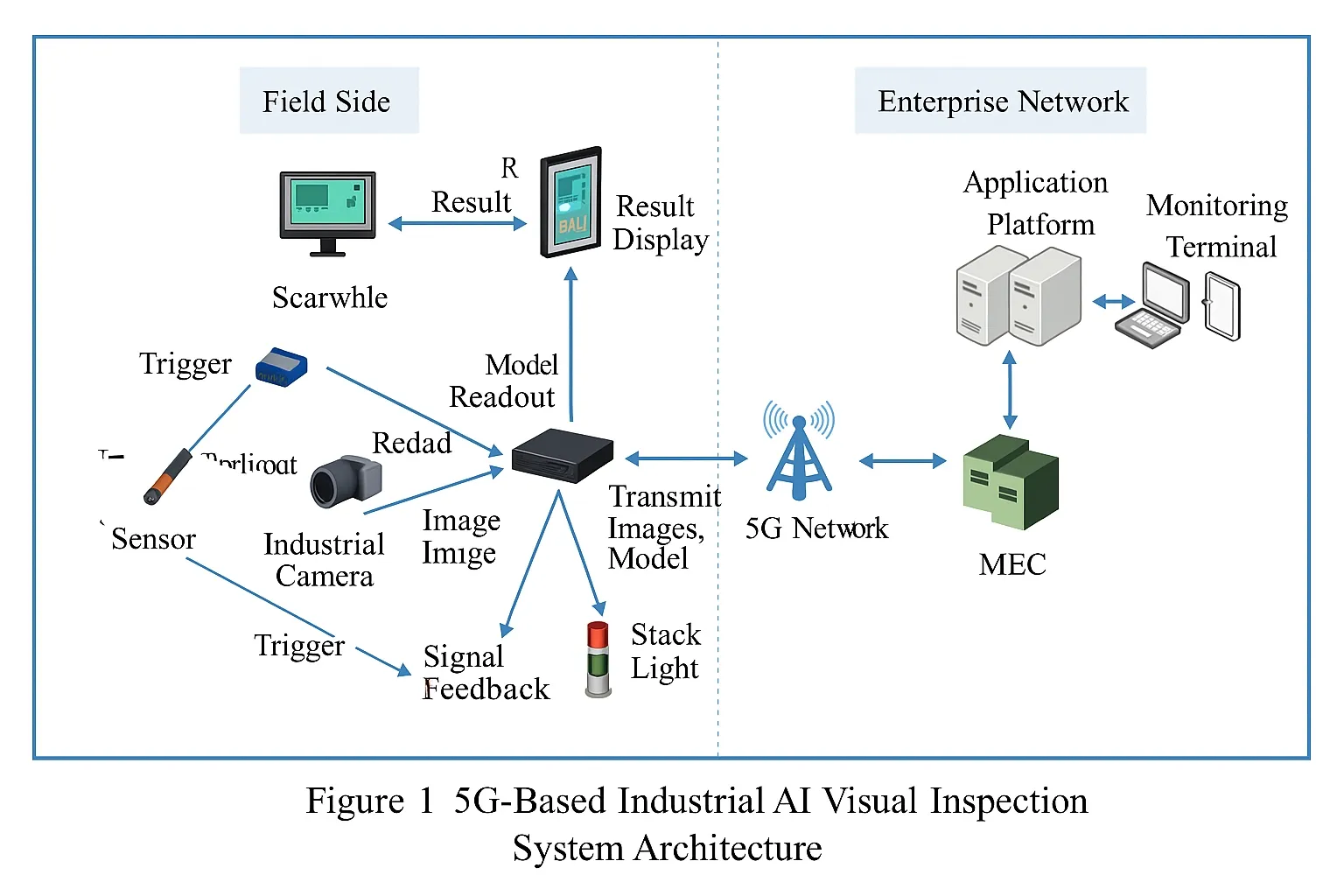
Overview of a 5G-based industrial AI visual inspection system: architecture, MEC deployment, on-site equipment, platform-based algorithms and testing for multi-point factory inspection.