 ALLPCB
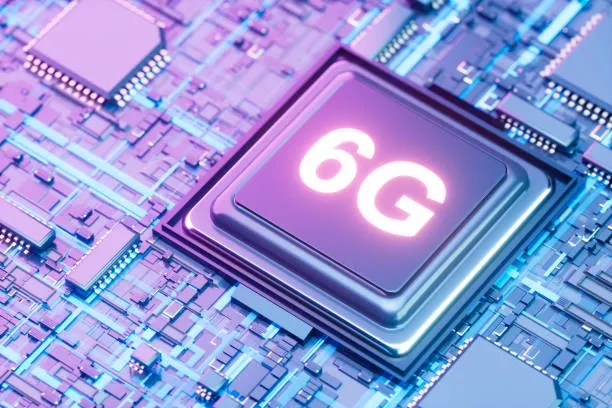
6G Core Network Architecture and Functions
Analyzes 6G core network requirements and proposes an information-centric, capability-inclusive core architecture that enables AI, computing, and flexible user-plane processing.



Analyzes 6G core network requirements and proposes an information-centric, capability-inclusive core architecture that enables AI, computing, and flexible user-plane processing.

Summary of CDMA applications and network traits in mobile communication, covering 3G/4G/5G, satellite systems, spectral efficiency, interference resistance and capacity.
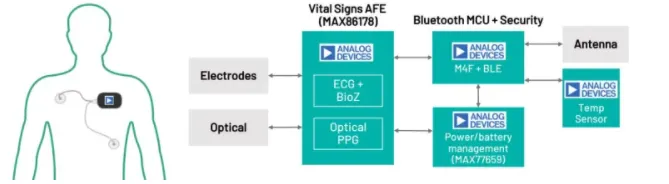
Technical overview of wearable RPM design using MAX86178 AFE and MAX77659 SIMO PMIC for low-power, compact continuous monitoring of ECG, SpO2, and respiration.
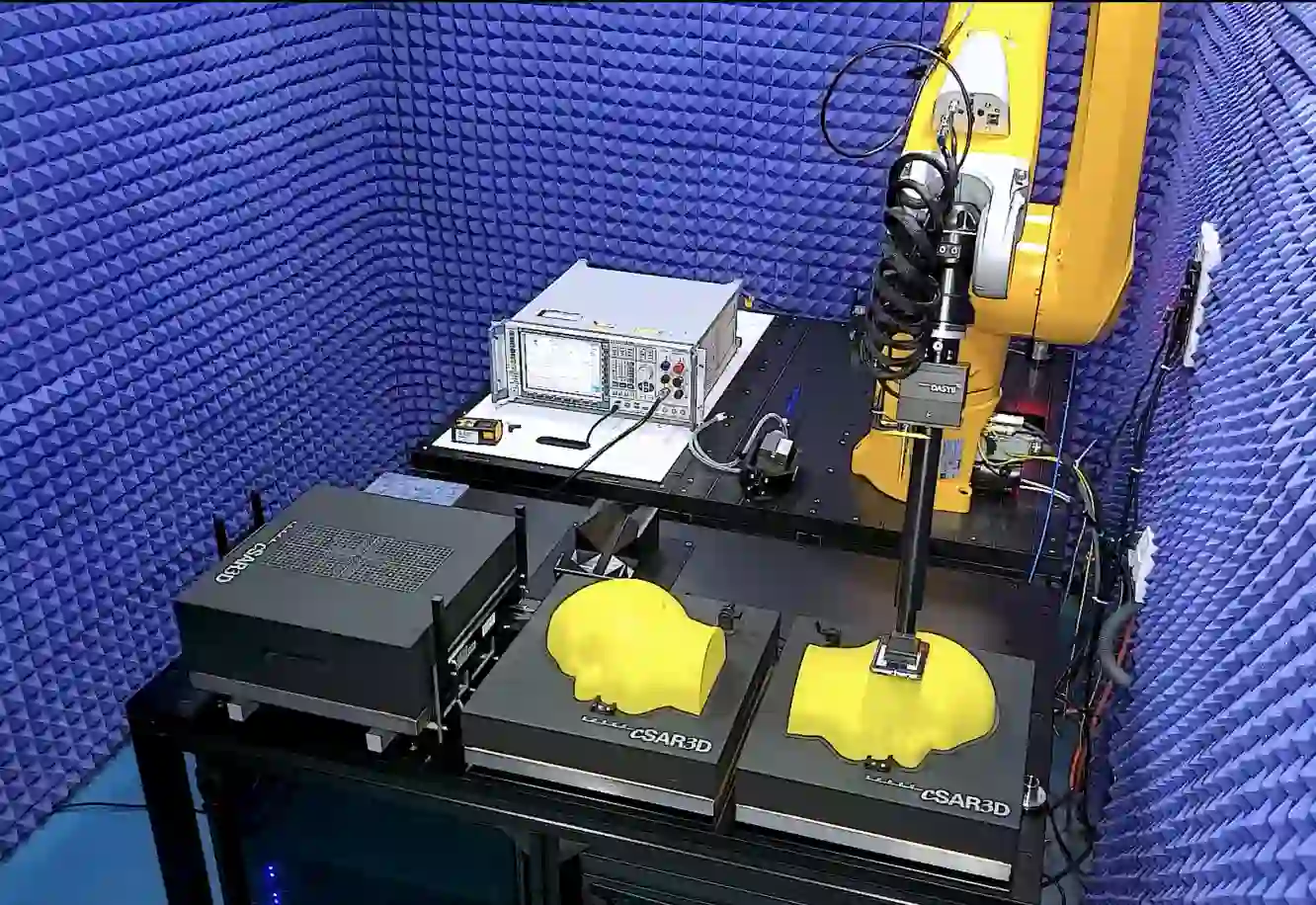
Technical overview of SAR testing requirements and standards for wireless devices, and DASY8 measurement system capabilities for regulatory compliance.

Technical overview of 5G network slicing, covering NFV-based end-to-end implementation, SLA-driven resource orchestration, and management functions (CSMF/NSMF/NSSMF).

Overview of mobile communication key technologies and application scenarios, covering cellular network evolution (GSM/LTE/5G), multiple access, antennas and mobile internet

Teardown of the Apple Watch SE 40 mm GPS: LTPO OLED display, S5 processor and W3 wireless SoC, 245 mAh battery, Series 5-like internals and no cellular components.

Explains whether WiFi 6 is "5G WiFi" and compares WiFi 6 vs 5G WiFi by standards, throughput, OFDMA/MU-MIMO support, frequency bands and power?saving TWT features.
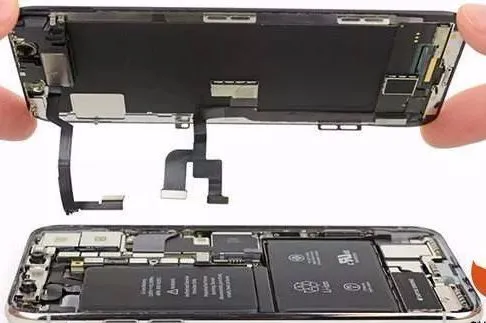
Technical overview of 5G antenna materials, comparing LCP and MPI properties, industry chain, manufacturing challenges, and market supply dynamics.
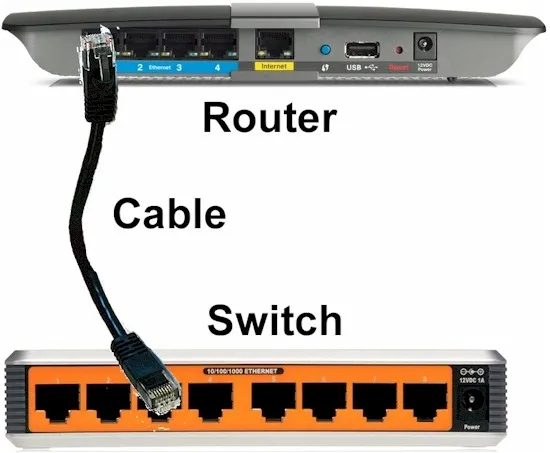
Examines using a router as a switch, outlining MAC vs IP-layer differences, performance, port and cost limitations, and when an ONT or integrated gateway is required.