 ALLPCB

From Wearables to Medical Devices
Technical overview of ADI's GEN II wearable platform: wrist/patch design integrating ECG, PPG, EDA, bioimpedance, motion and temperature with ADuCM3029 MCU for multimodal sensing.



Technical overview of ADI's GEN II wearable platform: wrist/patch design integrating ECG, PPG, EDA, bioimpedance, motion and temperature with ADuCM3029 MCU for multimodal sensing.

Technical overview of integrating accelerometers into wearable designs, covering MEMS devices (MMA3202), multi-axis inertial modules, interfaces (SPI/I2C), and PCB integration.
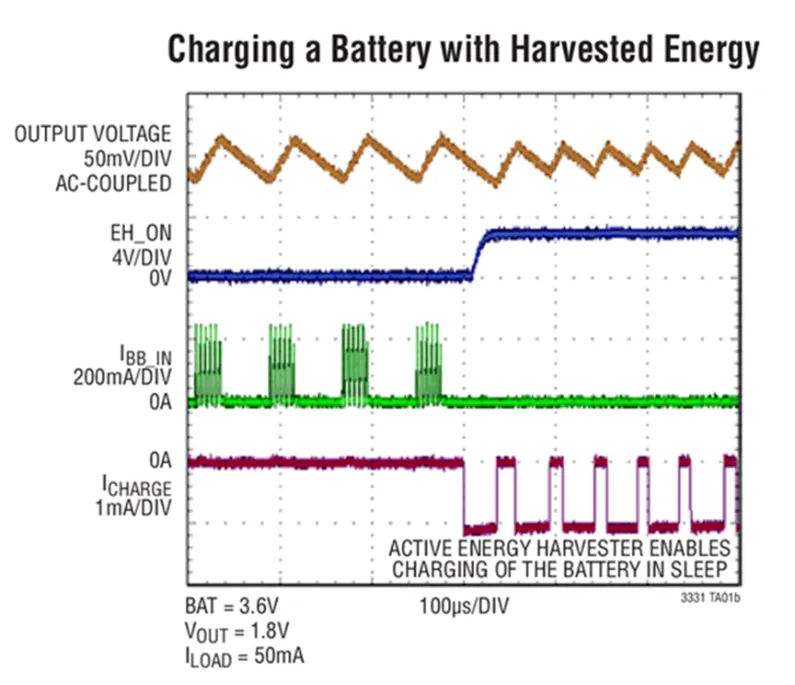
Review of design requirements and ADI power conversion ICs for medical wearables, focusing on energy harvesting, ultra-low-power DC/DC converters and battery-extension techniques.

Explains RedCap (Reduced Capability) 5G standard from Release 17, its IoT background, and how 5G RedCap base stations differ in speed, latency, capacity, and slicing.

MAXREFDES117 reference design for wearable PPG heart rate and SpO2 monitoring using the MAX30102 sensor; includes low-power hardware, Arduino/mbed firmware and test results.
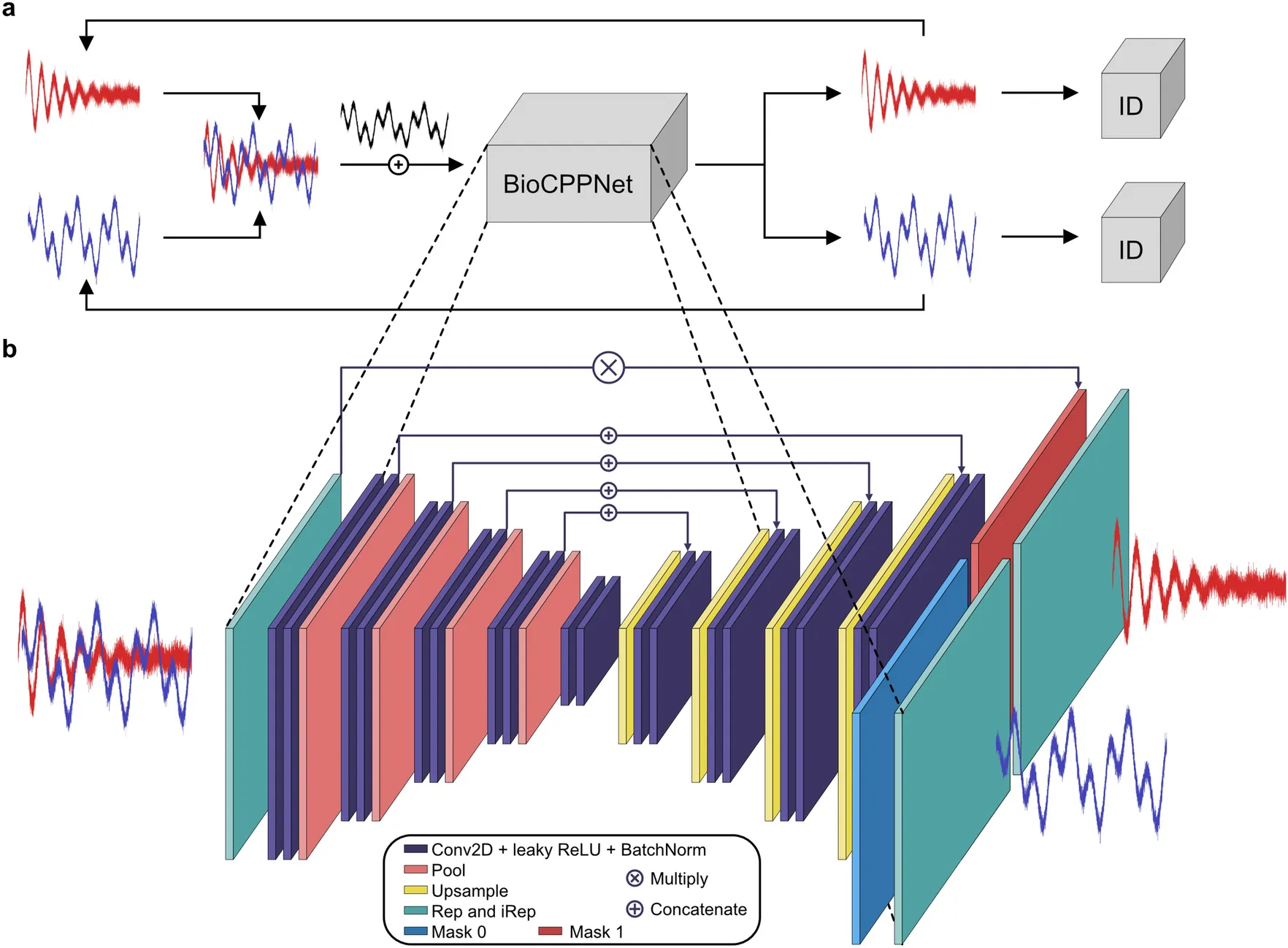
Overview of acoustic source separation techniques for embedded devices, detailing DNN and cochlear (CASA) methods to improve speech recognition in noisy environments.

Proposes a cryptography-based security architecture and closed-loop management for 5G/6G satellite internet, embedding identity, trust, and adaptive security into network resources.

Technical overview of RF propagation phenomena: electromagnetic waves, direct/reflected/diffracted/scattered waves, skin effect, Fresnel zones, multipath and slow/fast fading.

Analysis of 5G C-band benefits: how wider radio channels (up to 100 MHz) improve spectral efficiency, throughput and lower cost per MHz compared to 4G LTE.
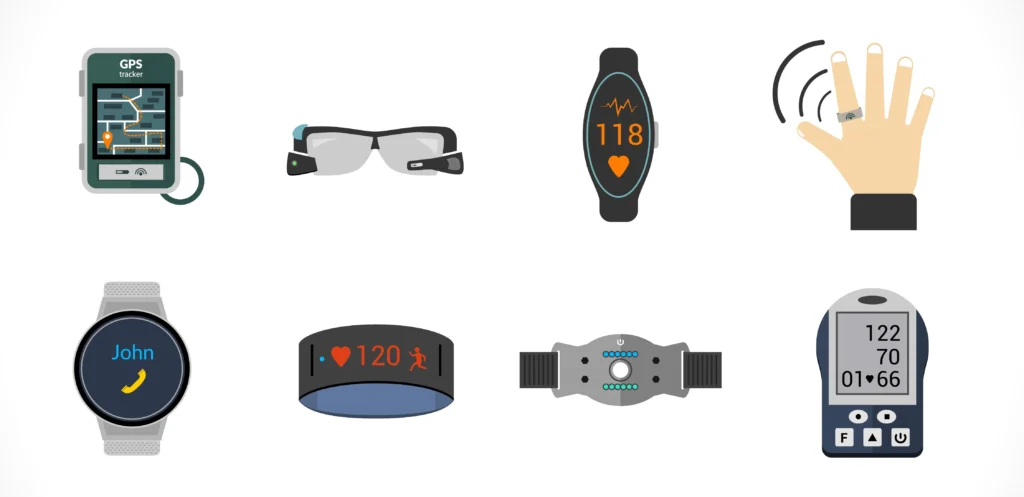
Overview of wearable technology: architectures, sensors, energy harvesting, smart coaching, virtual assistants and mobile health monitoring for engineers.