 ALLPCB
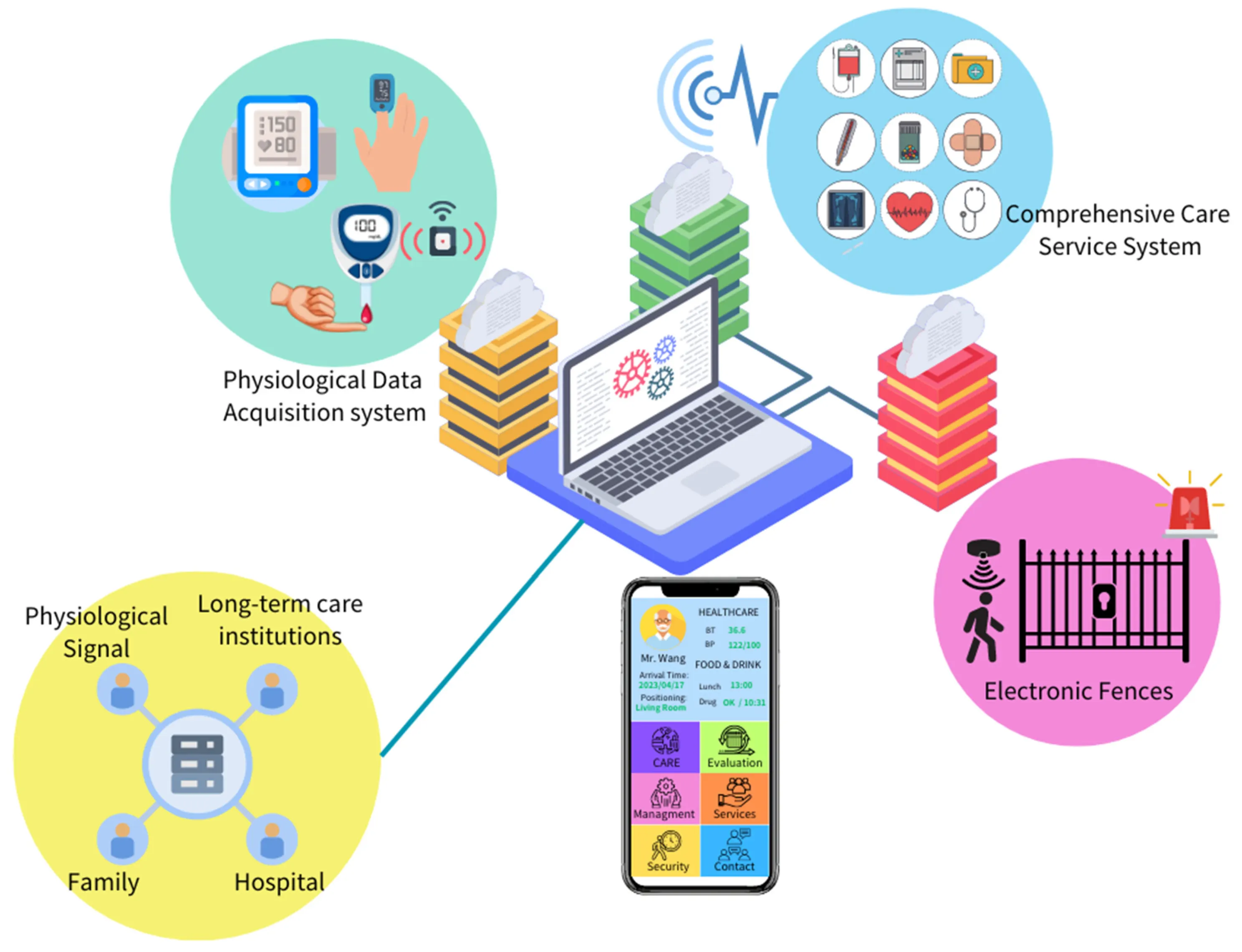
How IoT Will Enable Future Wearable Devices
Overview of how IoT enables wearables and smartwatches, tracing device evolution, technical challenges, and future use cases in healthcare, enterprise, and M2M.



Overview of how IoT enables wearables and smartwatches, tracing device evolution, technical challenges, and future use cases in healthcare, enterprise, and M2M.
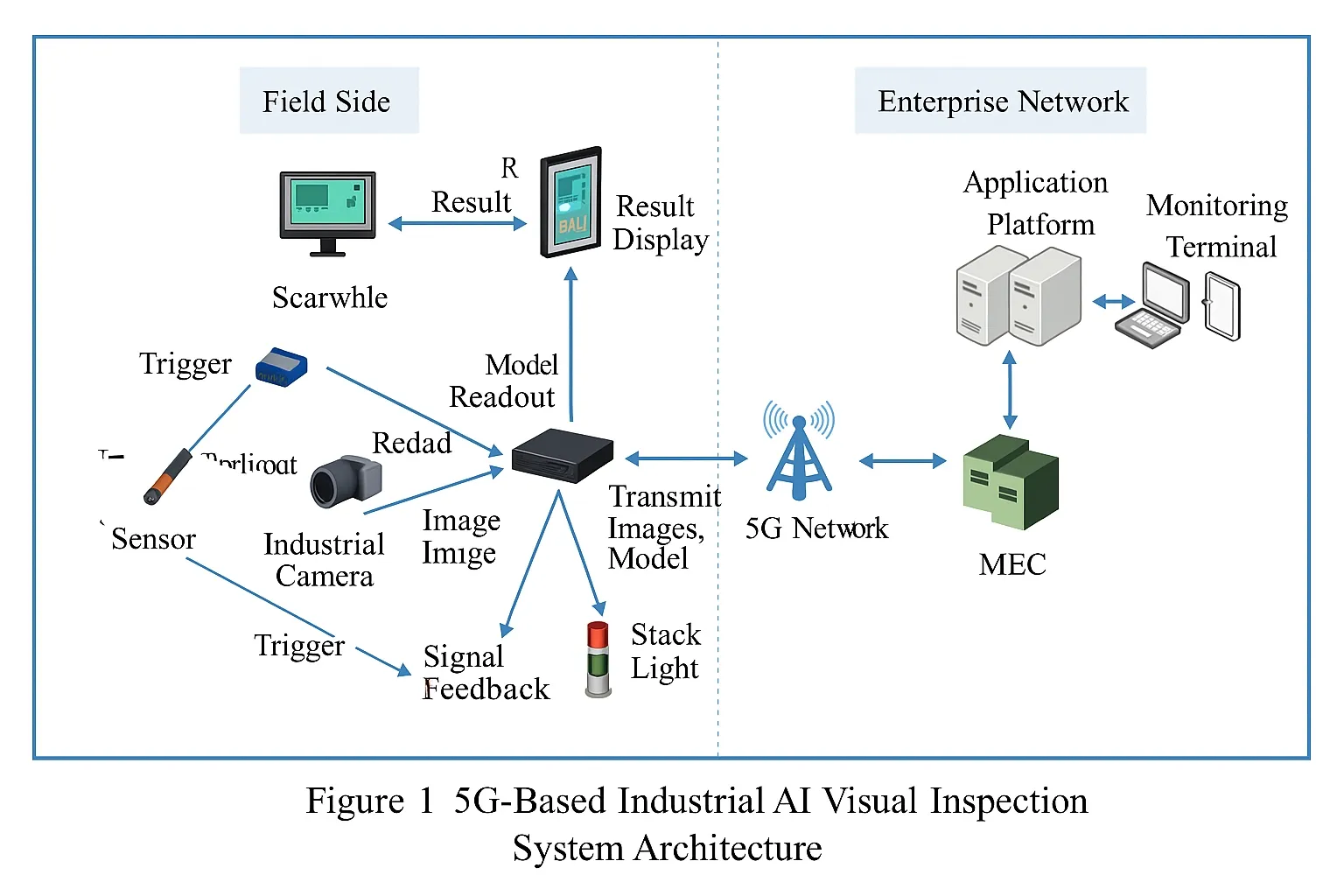
Overview of a 5G-based industrial AI visual inspection system: architecture, MEC deployment, on-site equipment, platform-based algorithms and testing for multi-point factory inspection.
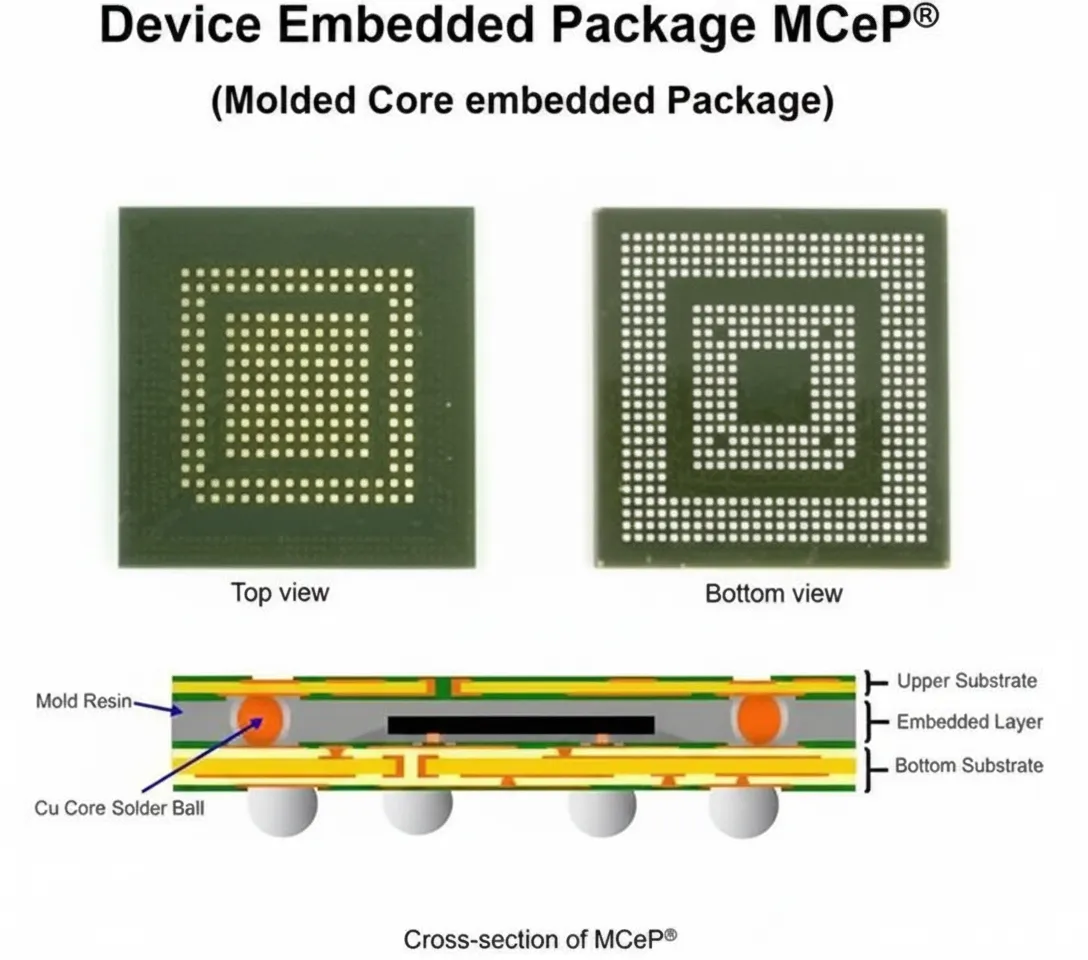
Technical and market overview of wearable devices, covering sensors, ultra-low power design, connectivity, AR/VR, industry bottlenecks and investment opportunities.
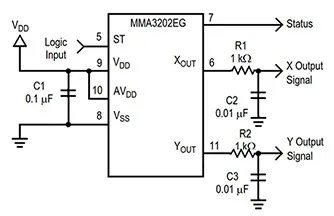
Technical overview of integrating accelerometers into wearable designs, covering MEMS devices (MMA3202), multi-axis inertial modules, interfaces (SPI/I2C), and PCB integration.
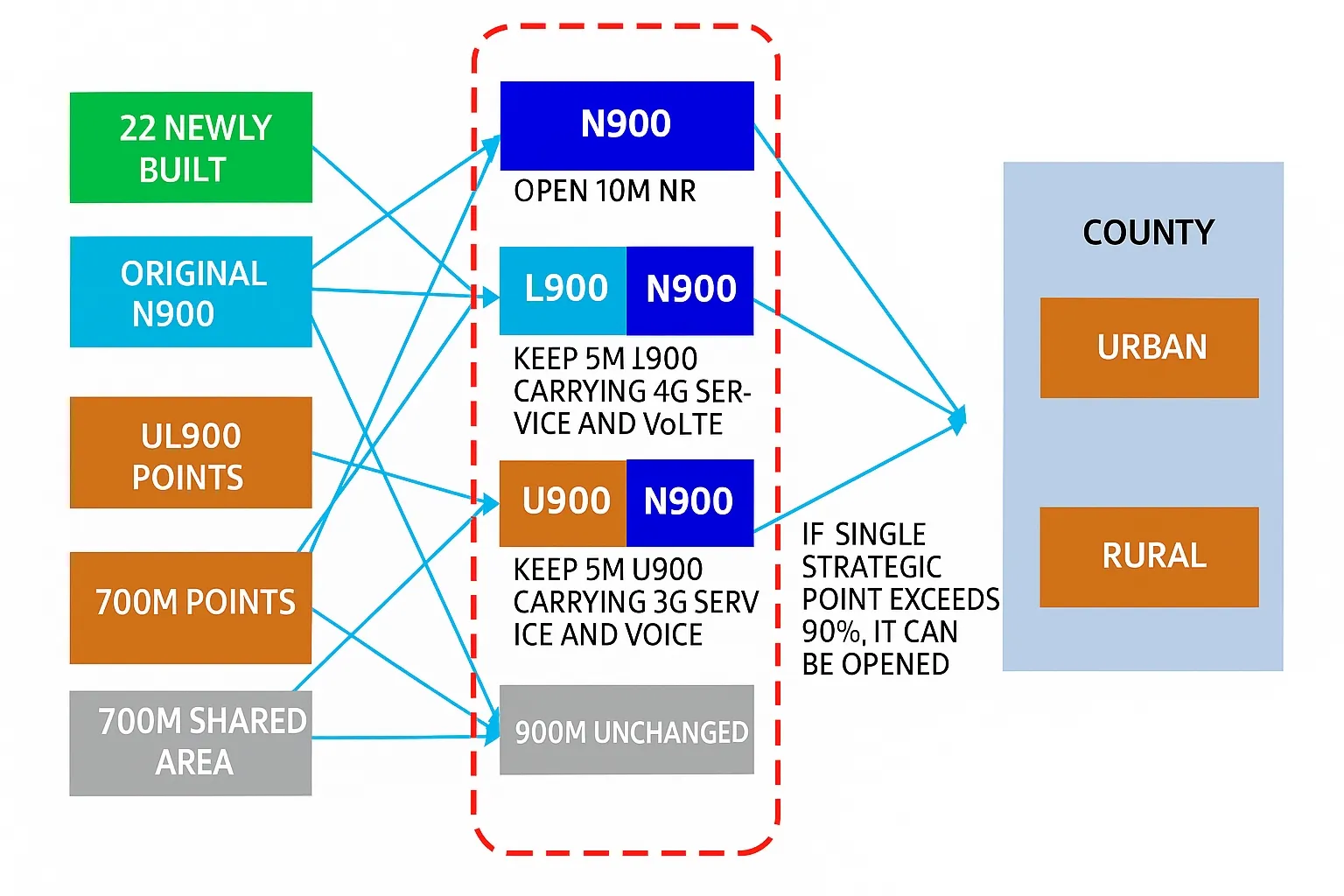
Technical plan for enabling 5G on 900 MHz: activation areas, frequency strategy, hardware upgrades, transport/IPRAN and terminal penetration forecast for deployment.
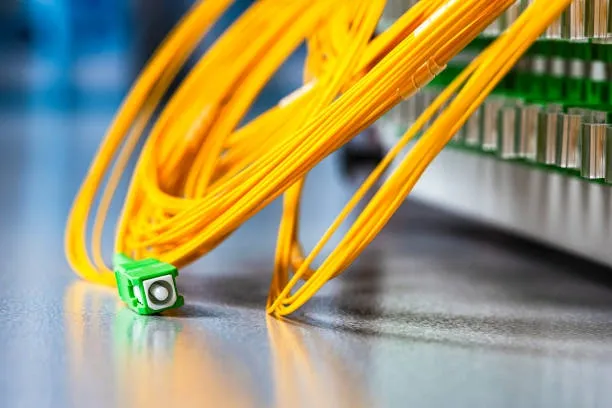
Overview of fiber patch cord types, fiber access topologies (FTTH, FTTB, FTTD), and connection methods (point-to-point, cross connection) for network deployments.
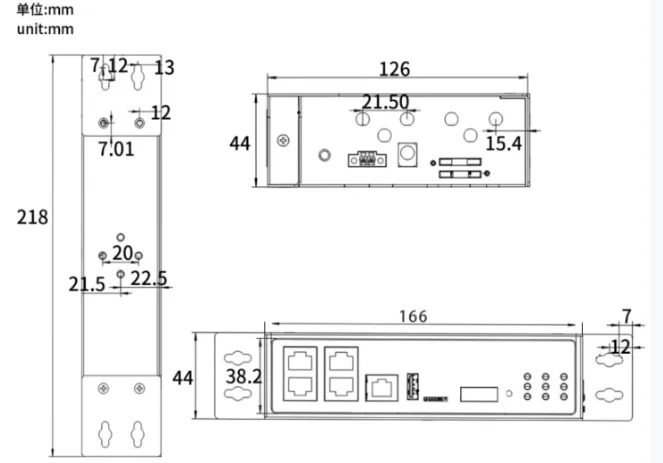
Overview of dual-antenna functions and internal structure of a 5G industrial router, covering MIMO, signal diversity, interfaces, CPU, memory, security, and throughput.
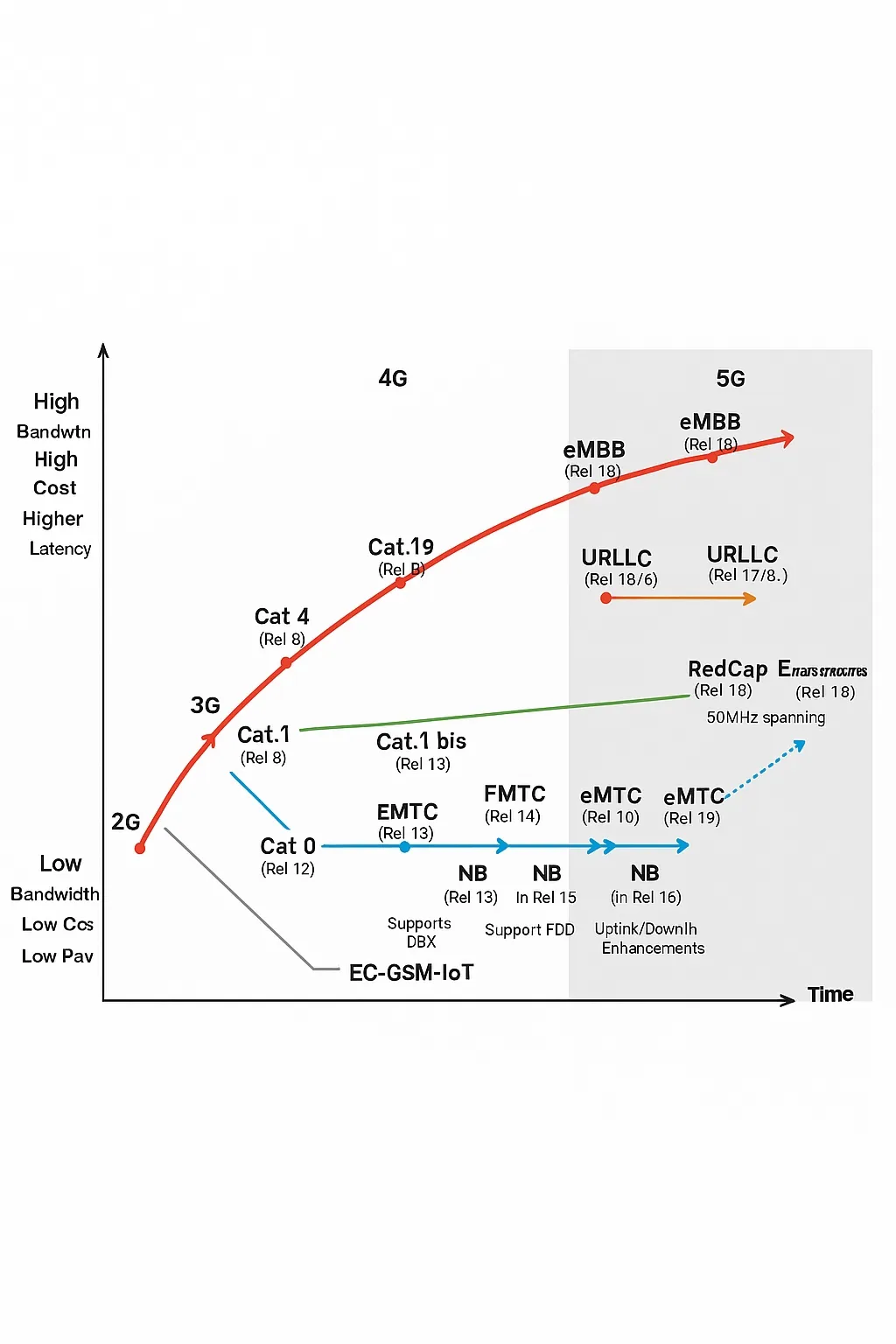
Explains RedCap (Reduced Capability) 5G standard from Release 17, its IoT background, and how 5G RedCap base stations differ in speed, latency, capacity, and slicing.
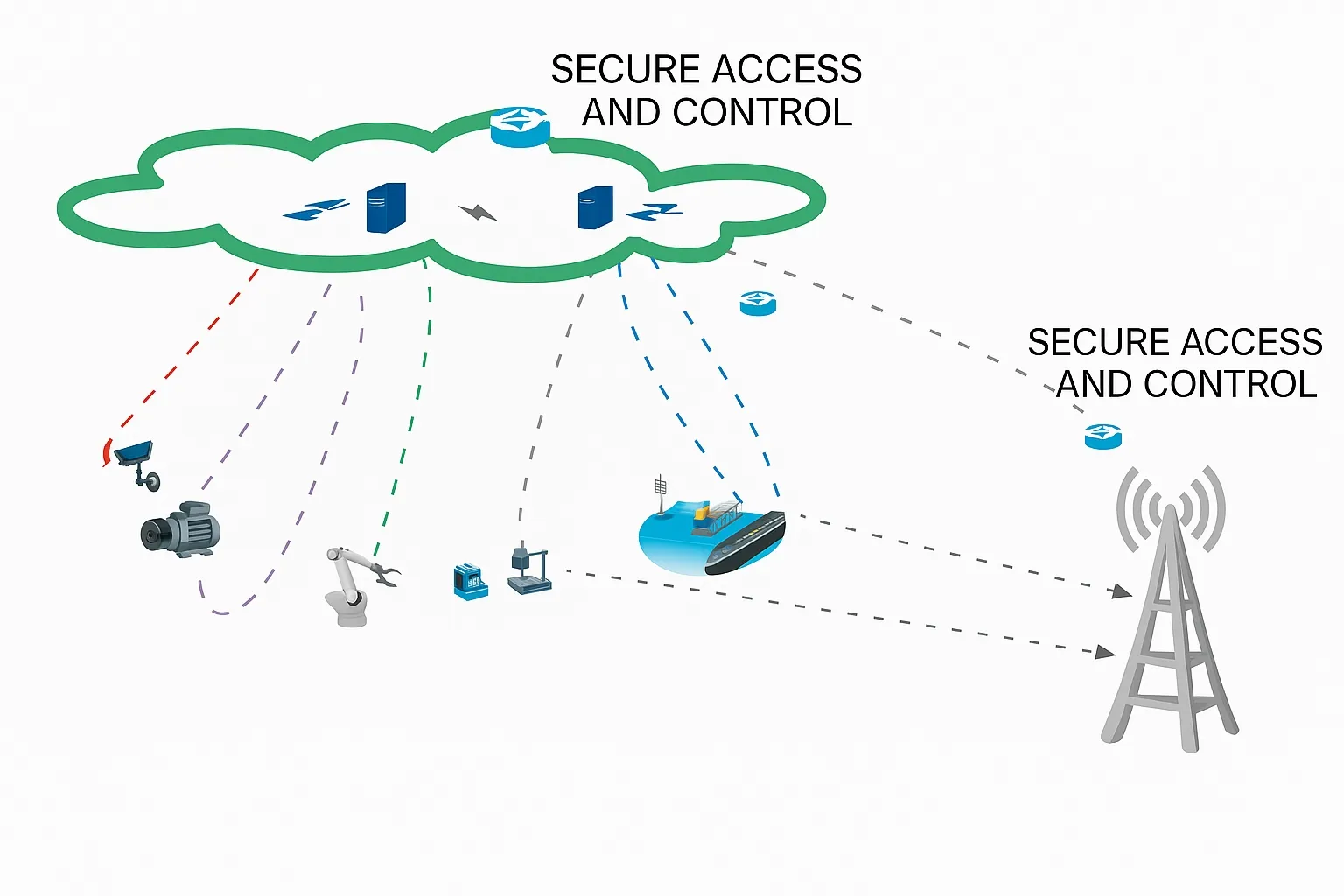
Proposes a cryptography-based security architecture and closed-loop management for 5G/6G satellite internet, embedding identity, trust, and adaptive security into network resources.
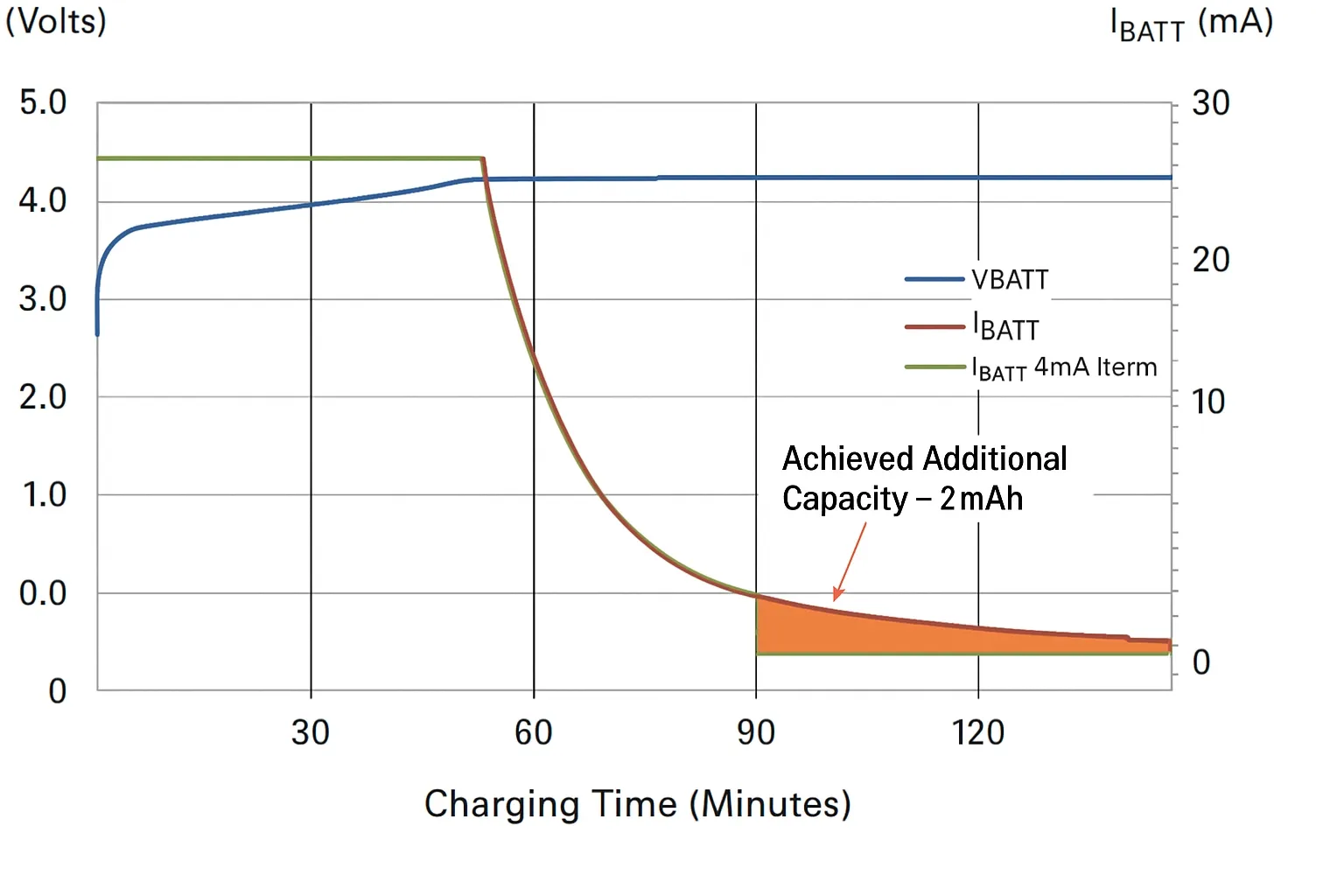
Overview of how battery capacity, leakage current and termination current affect runtime in low-power wearables, with charger IC recommendations.