 ALLPCB

Qualcomm's Five Key Technologies in 5G Advanced Release 18
Summary of Qualcomm's Release 18 contributions to 5G Advanced: uplink and broadband enhancements, IoT extensions, efficient system design, and wireless AI foundations.



Summary of Qualcomm's Release 18 contributions to 5G Advanced: uplink and broadband enhancements, IoT extensions, efficient system design, and wireless AI foundations.
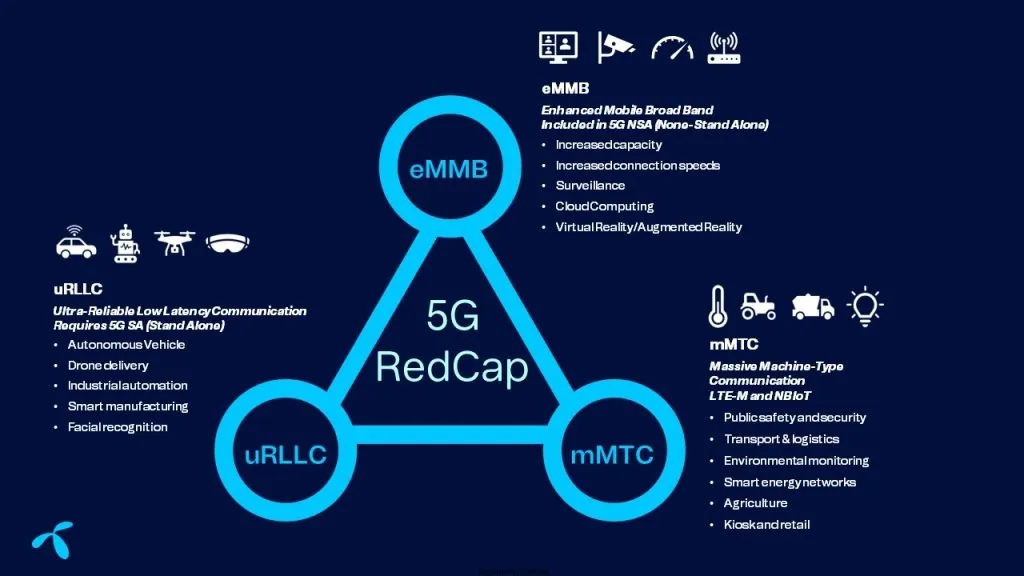
MIIT roadmap for 5G RedCap: standard evolution, industrial ecosystem and city-level coverage by 2025, enabling scalable RedCap applications in industry and IoT.

White paper detailing ADI wearable signal-chain solutions for vital-sign monitoring, covering PPG, ECG, impedance, multi-parameter AFEs and 20 recommended components.
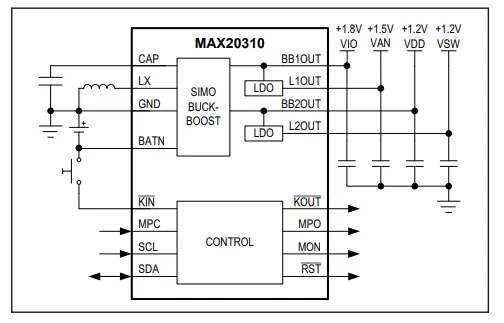
Overview of PMIC design for compact wearables, comparing Qorvo's ACT81460 and Maxim's MAX20310; emphasis on low quiescent current, SIMO topology, and small WLCSP/WLP packages.
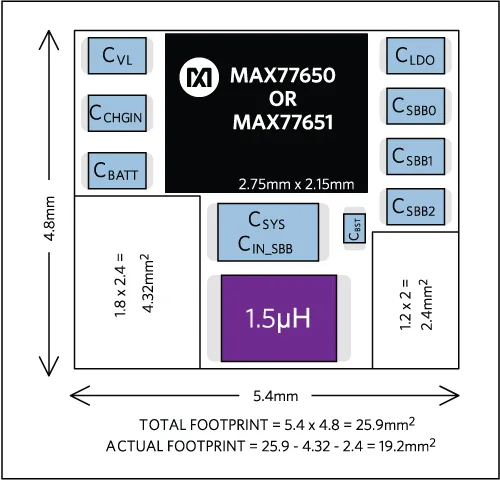
Technical overview of SIMO PMICs for wearables: single-inductor multiple-output DC-DC converters, design trade-offs vs LDOs/inductor regulators; examples MAX77650 & TPS65135.
Design guide for a medical wearable: PPG-based heart rate and SpO2 measurement, accelerometer step counting, MCU selection and low-noise power management.

Overview of how IoT enables wearables and smartwatches, tracing device evolution, technical challenges, and future use cases in healthcare, enterprise, and M2M.
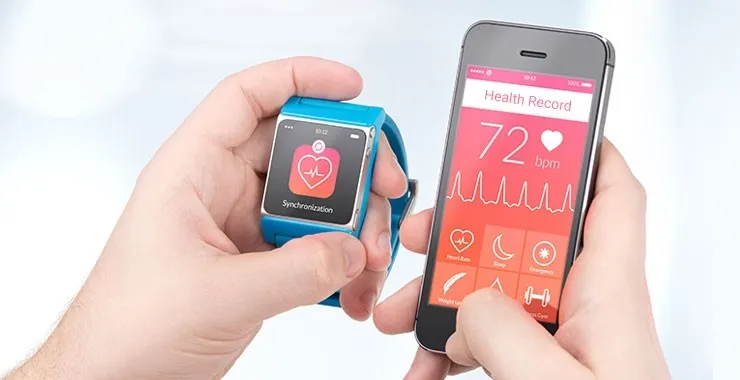
Overview of wearable devices: form factors, capabilities, market trends, and integration with 5G and industrial IoT, emphasizing smartwatches and ear-worn devices

Teardown of the Apple Watch SE 40 mm GPS: LTPO OLED display, S5 processor and W3 wireless SoC, 245 mAh battery, Series 5-like internals and no cellular components.

Technical guide to reducing display power in wearables: optimizing frame buffer memory, controller integration, and low-power serial memories (Quad SPI F-RAM)

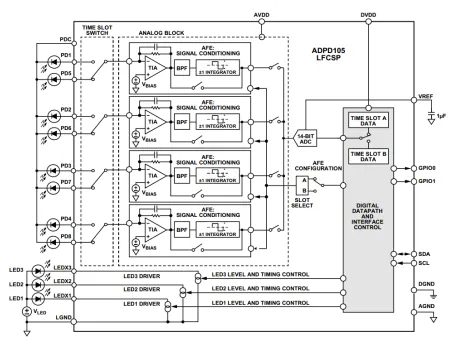
Overview of vital signs monitoring techniques and sensor signal chains, covering optical measurements, bioelectric/bioimpedance, MEMS sensors, and ADPD4000 front ends.
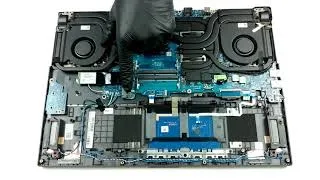
Teardown of the Little Genius Q1A kids' smartwatch detailing mainboard layout, UNISOC W317 UWS6131 chipset, power management, waterproofing and AI-assisted positioning.

Android adds RISC-V support: AOSP/riscv64 bootstraps with rva22, vector and vector-cryptography extensions; ART backend, NDK ABI and simulator roadmap.
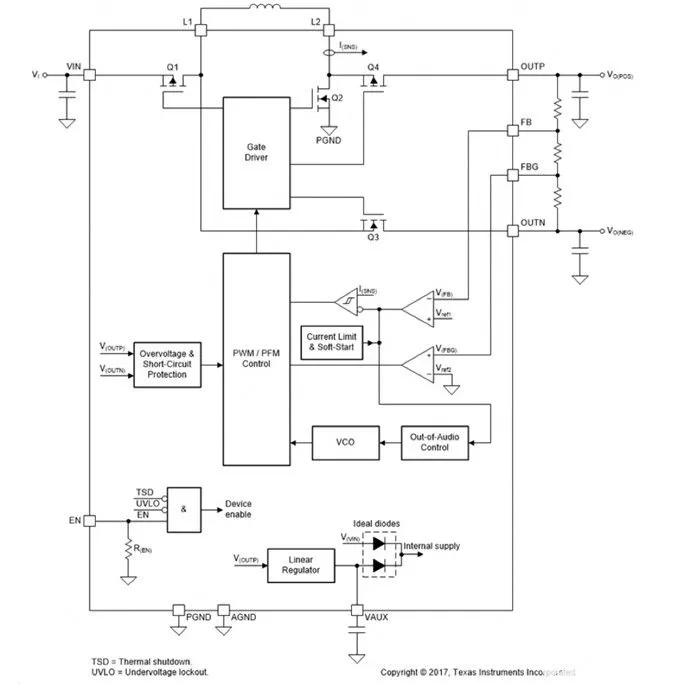
Technical overview of SIMO PMICs for wearables: single-inductor multi-output designs, efficiency, battery/charging considerations, and PMIC examples to optimize power management.

ExecuTorch technical overview: PyTorch ahead-of-time compilation, fx-style graph export, lowering and quantization, backend delegation, .pte executable format and runtime.

Summary of top 10 robotics trends and startups, covering Autonomous Mobile Robots, smart robots, RaaS, drones, AGVs and robotics cybersecurity with IoT integration.
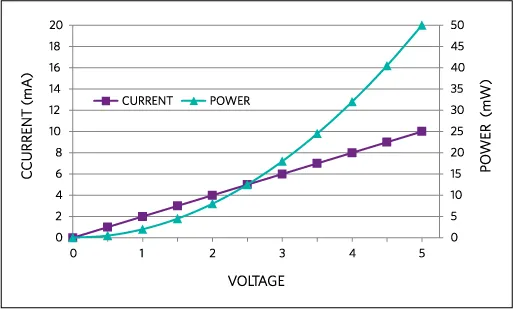
Technical guide to wearable design focusing on power efficiency, choosing regulators and measuring battery state-of-charge to minimize size and extend runtime.

Overview of methods to establish reliable on-site emergency communications: satellite communication, 5G private networks, broadband mesh and narrowband trunked radio.
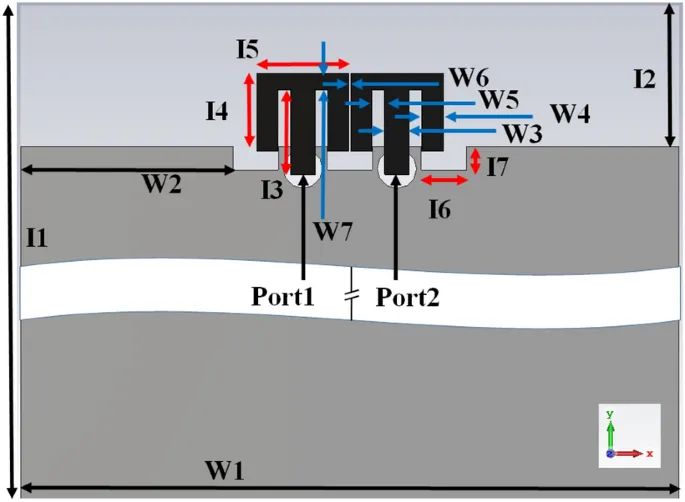
Overview of three MIMO isolation decoupling methods—ground-slot, ground-stub, and neutralization-line—covering design trade-offs, resonance tuning, and implementation constraints.

Technical comparison of 5G router vs 5G CPE: functions, deployment scenarios, SIM support, signal conversion, security, and suitability for homes and businesses.