 ALLPCB

Differences Between 5G and 4G Routers
Compare 5G routers and 4G routers: differences in frequency bands, transmission speed, coverage, latency, and device capacity to guide deployment decisions.



Compare 5G routers and 4G routers: differences in frequency bands, transmission speed, coverage, latency, and device capacity to guide deployment decisions.

Guide to FCC certification for 5G user equipment: required tests and test-station setup, covering RF output power, occupied bandwidth, EVM and spurious emissions.

Overview of intelligent traffic offload (ITO) enhancements for 5G private networks, including L3 and NAT support and BlueField-3 DPU acceleration for NGFW throughput.
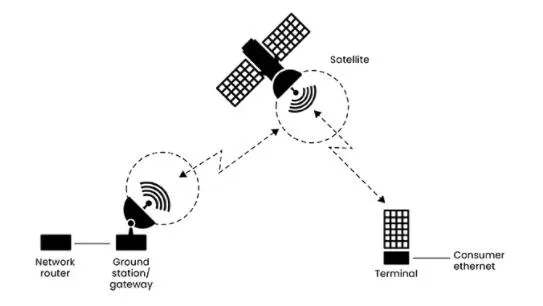
Technical overview of non-terrestrial networks (NTN), covering constellation types, 3GPP standardization, component stress factors and market demand for NXP Layerscape processors.

Multiband antenna guide for sub-6 GHz 5G and legacy cellular bands: compares embedded vs external designs, performance trade-offs, BOM benefits and example modules.
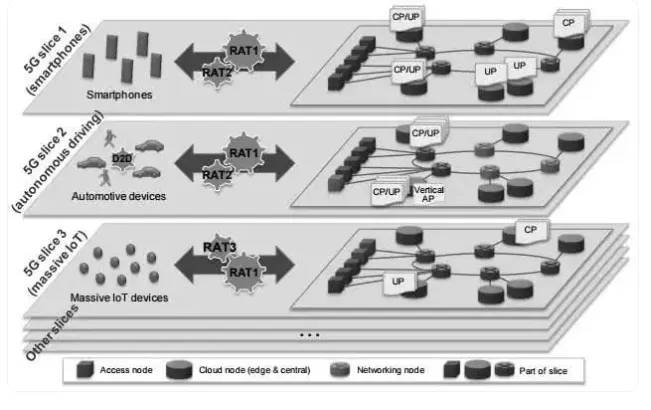
Explains 5G network slicing: virtualized end-to-end slices across RAN, core and transport, enabled by SDN/NFV with resource scheduling, isolation and security.

Technical overview of SAR testing requirements and standards for wireless devices, and DASY8 measurement system capabilities for regulatory compliance.
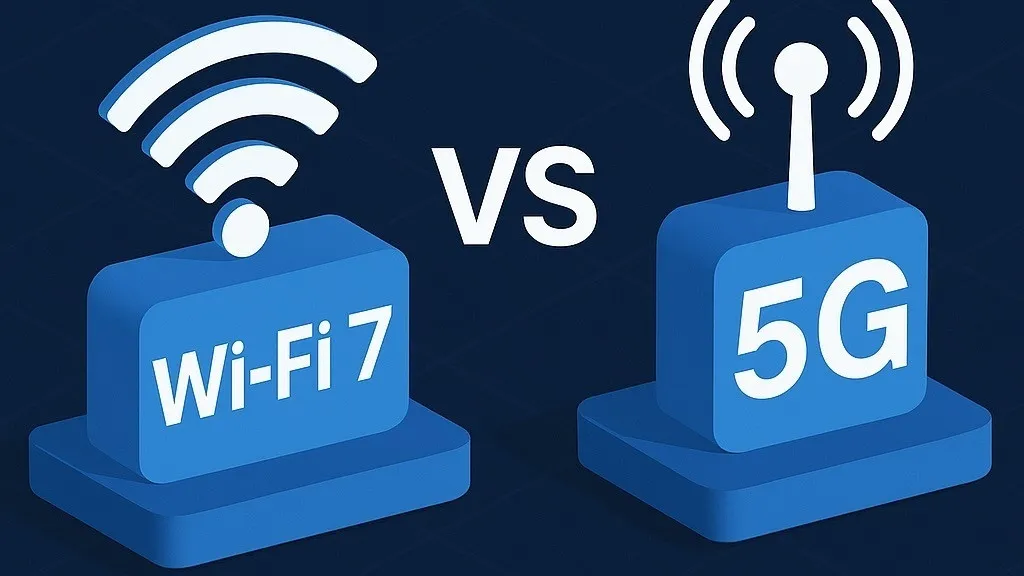
Technical overview of 5G FWA and Wi-Fi 6E/7 convergence, operator and consumer drivers, FWA benefits, and CPE testing requirements for antenna, power, coexistence and throughput.
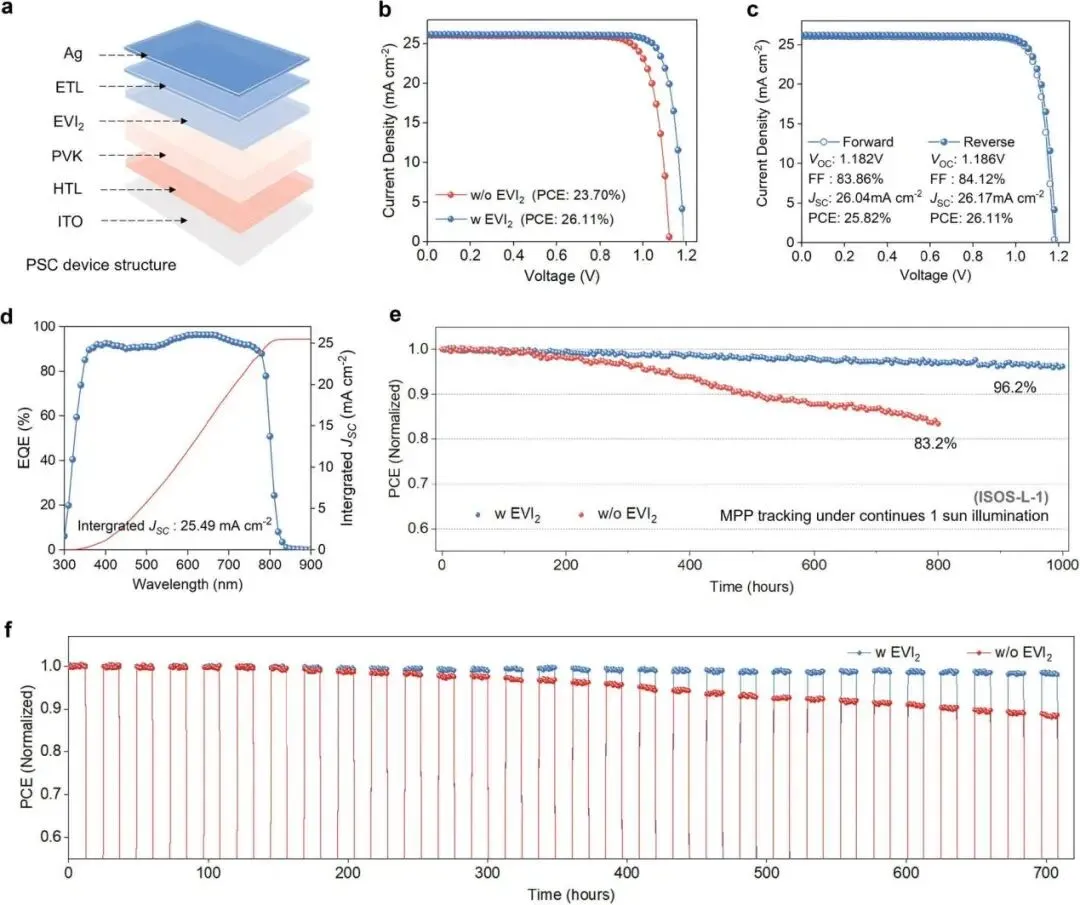
Dual-function EVI2 perovskite strategy enabling 26.11% PSCs (1000 h stability) and EVSn2I6 cathodes to form an all-perovskite PVB with 18.54% efficiency.
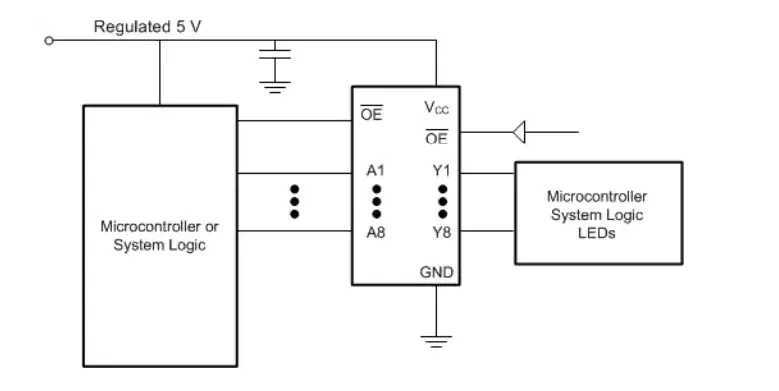
Overview of Texas Instruments SN74LV240A 8-bit buffer/driver: two 4-bit inverting drivers, VCC 2–5.5 V, mixed?mode I/O, low propagation delay and Ioff hot?insertion support.