 ALLPCB

SiC Power Devices: Key Advantages and Technical Challenges
Technical summary of silicon carbide (SiC) power devices: wide bandgap advantages, thermal and voltage benefits, manufacturing challenges, EV and renewable energy applications.



Technical summary of silicon carbide (SiC) power devices: wide bandgap advantages, thermal and voltage benefits, manufacturing challenges, EV and renewable energy applications.
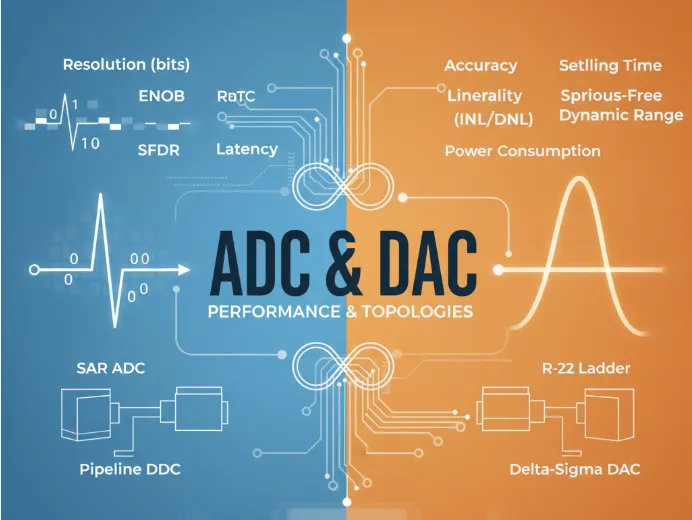
Concise overview of ADCs and DACs: key metrics, architectures (Flash, SAR, pipelined), performance limits and power vs. resolution/speed trade-offs.
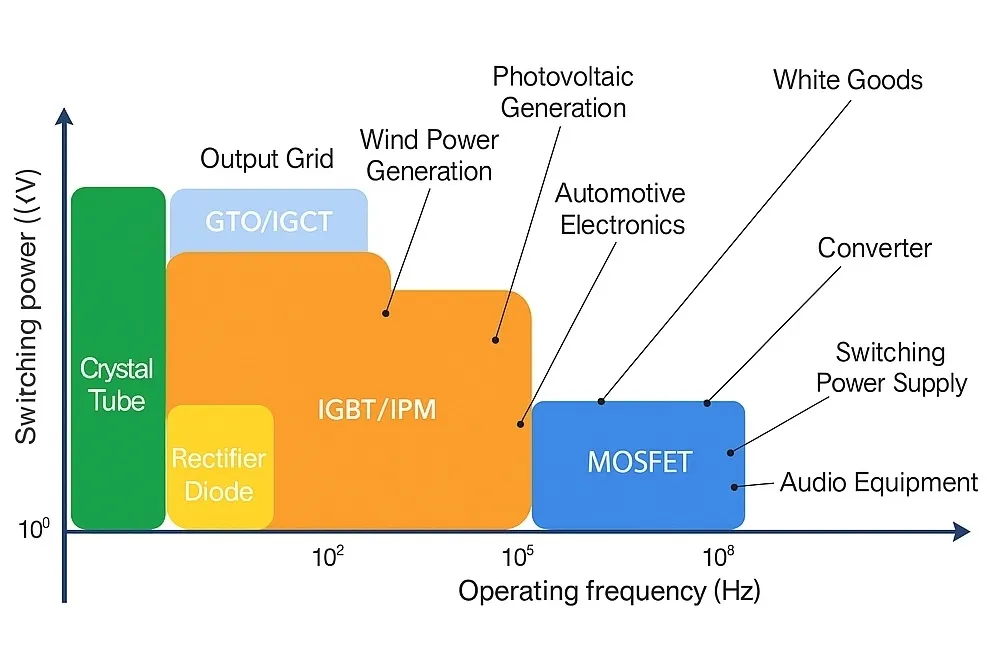
Technical overview of silicon carbide (SiC) power devices: operation, benefits, applications, challenges and future trends for high-temperature, efficient power electronics.
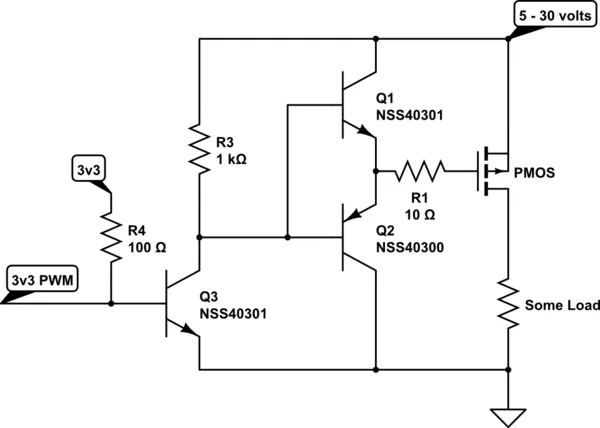
Learn how push-pull drivers and gate resistors boost MOSFET switching by supplying gate drive current to charge/discharge gate capacitances.
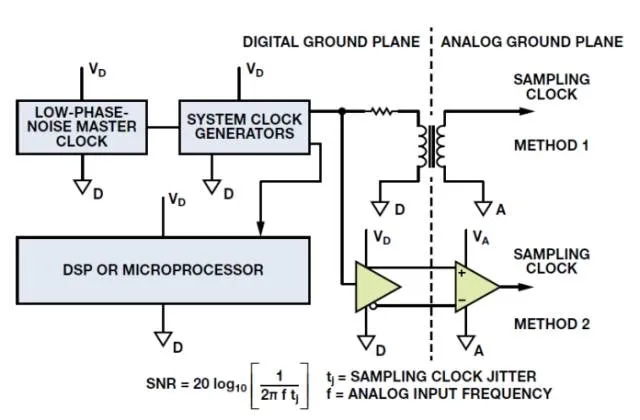
ADC output isolation, buffering, RC filtering, grounding, decoupling, power separation, and low-jitter sampling-clock tips for high-performance designs.
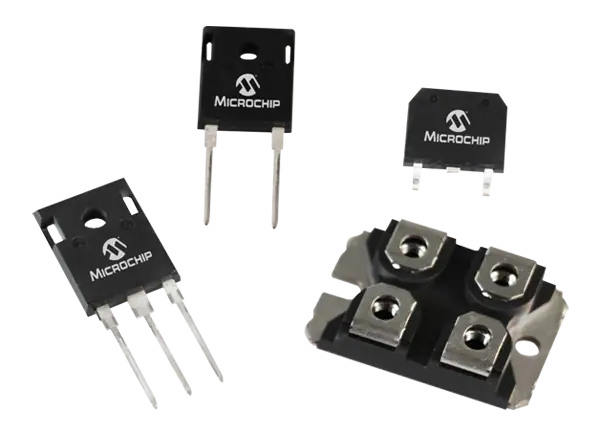
Explore silicon carbide (SiC) power devices: benefits, manufacturing, applications and future impact on high-efficiency power electronics.
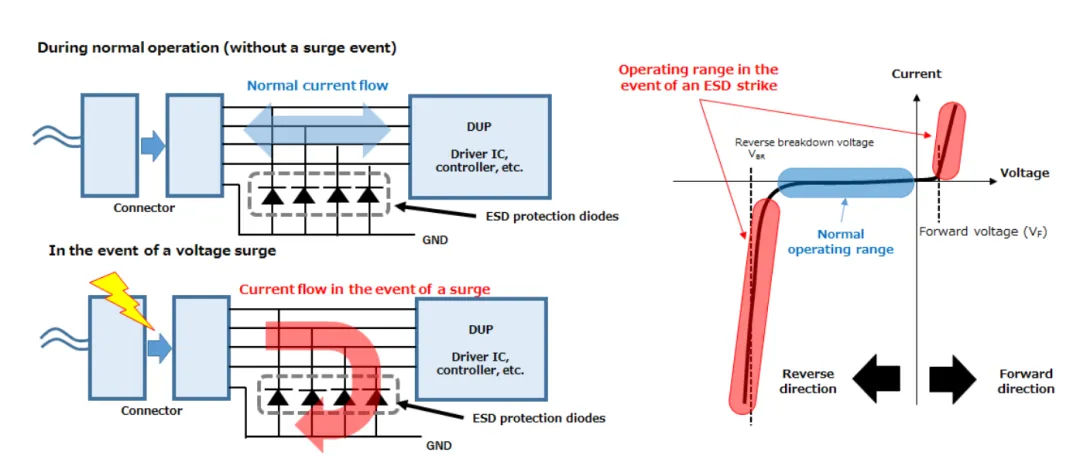
Learn how TVS diodes protect electronics from ESD and surges, their operation, applications, and tips for selection and maintenance.
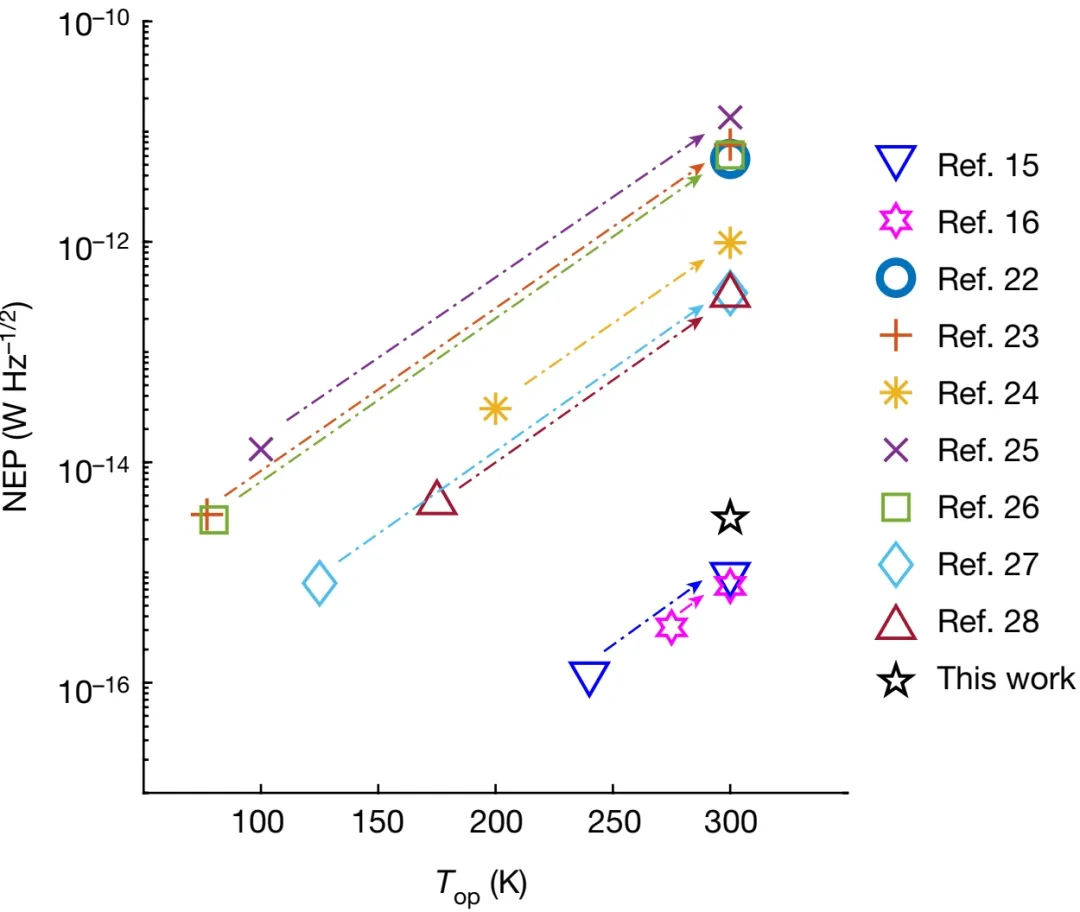
Room-temperature, CMOS-compatible GeSi SPAD with 19 kHz μm?2 DCR, 12% PDE at 1310 nm and 188 ps jitter, validated in direct-TOF LiDAR imaging.
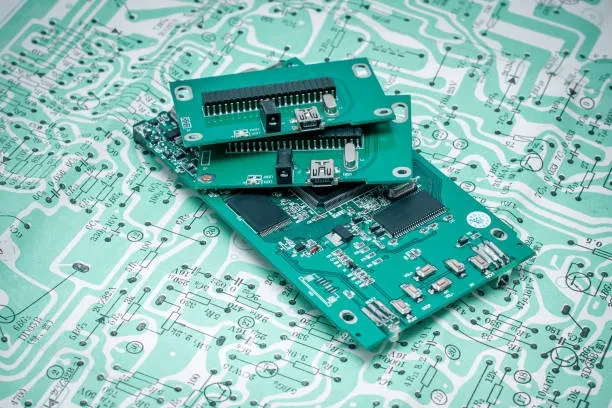
Summarizes nine standard circuit design modules - power module, IO, op amp decoupling, high-speed termination, ground return, test points - to improve PCB design reliability.
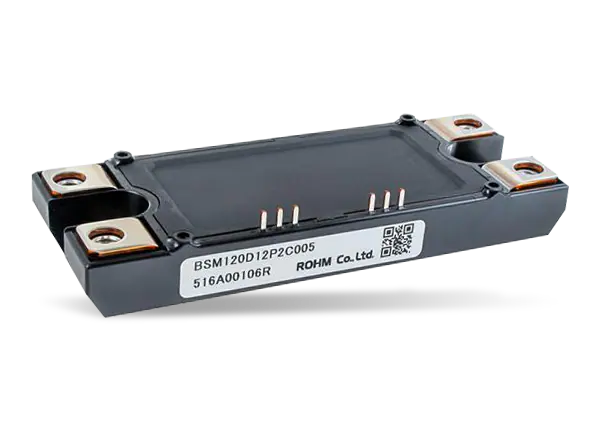
SiC power devices: benefits, EVs, renewables, HVDC uses, manufacturing challenges and outlook for higher efficiency, power density and lower costs.