 ALLPCB

Thermal and EMI Challenges in AI Chip Design
Explore thermal and EMI challenges in AI chip design, focusing on heat dissipation and noise suppression for high-performance computing.



Explore thermal and EMI challenges in AI chip design, focusing on heat dissipation and noise suppression for high-performance computing.
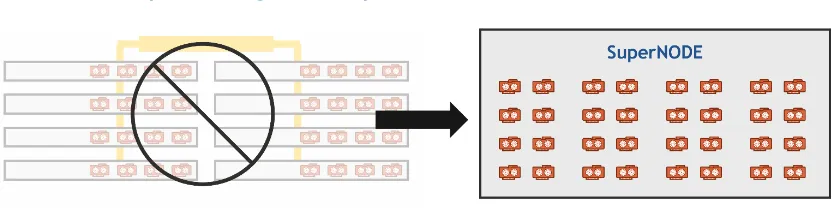
Summary of TensorNODE, a TensorWave bare-metal AI cloud using AMD MI300X GPUs and a PCIe Gen5 memory fabric to enable petabyte-scale GPU memory pools.
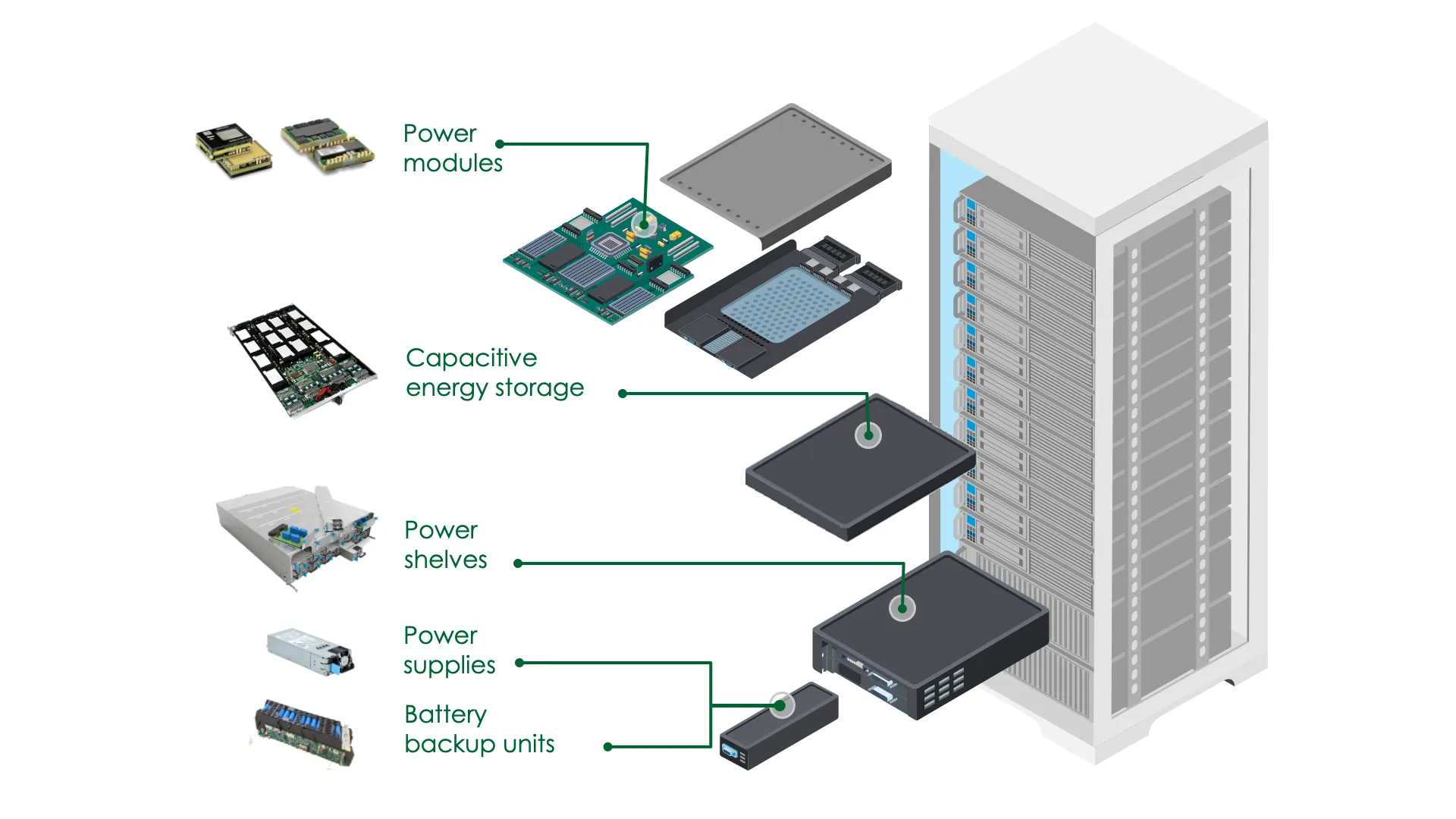
Technical overview of data center power management: hybrid capacitors, low?ESR components, precision resistors and wireless monitoring to improve efficiency and reliability.
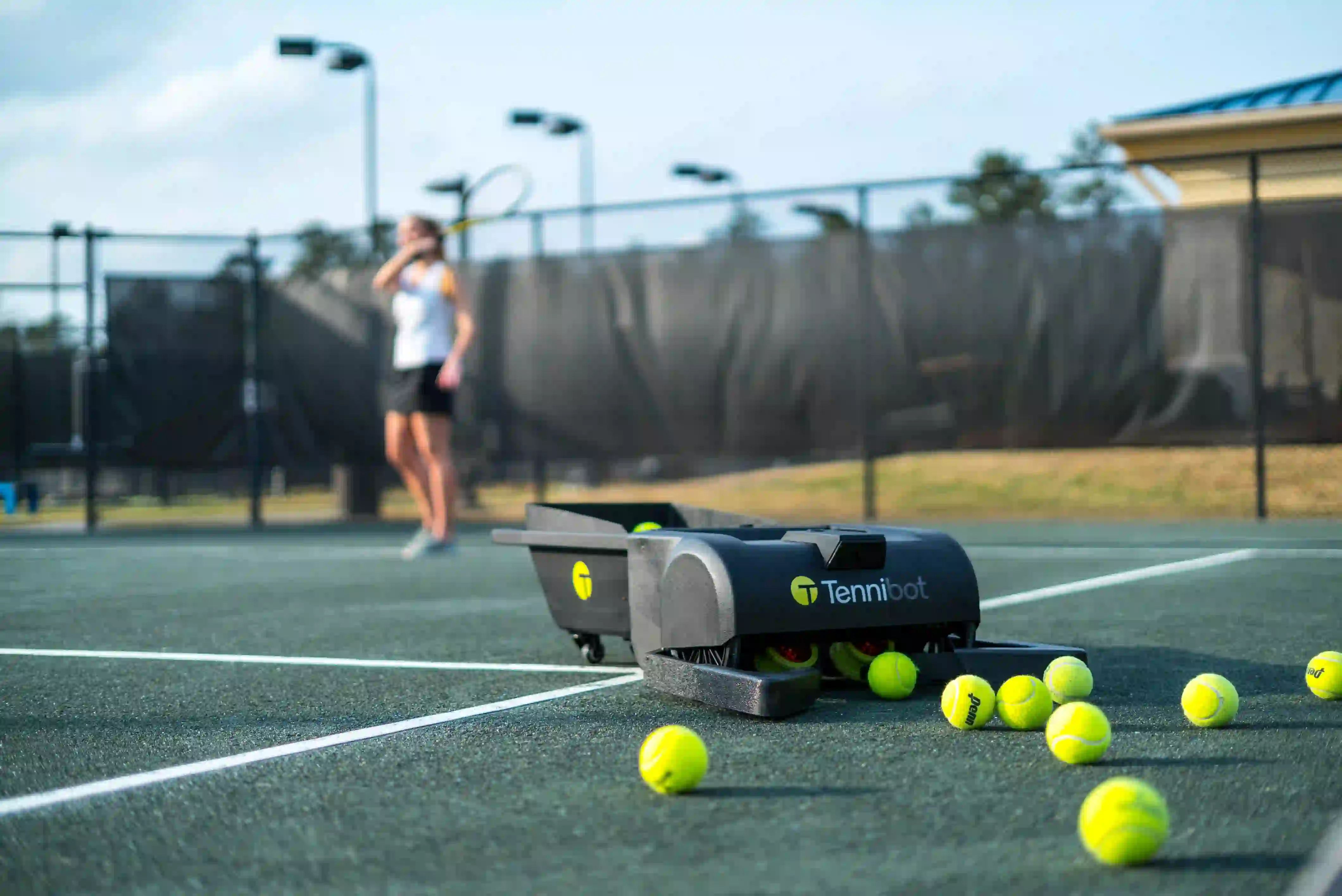
Autonomous tennis-ball collection and serving robot using YOLOv5 detection and SLAM/AMCL localization, with optimized path planning and hierarchical wheel control.

Technical overview of Google Gemini, a multimodal foundation model family (Ultra, Pro, Nano), its benchmarks vs GPT-4, multimodal capabilities, and TPU efficiency.
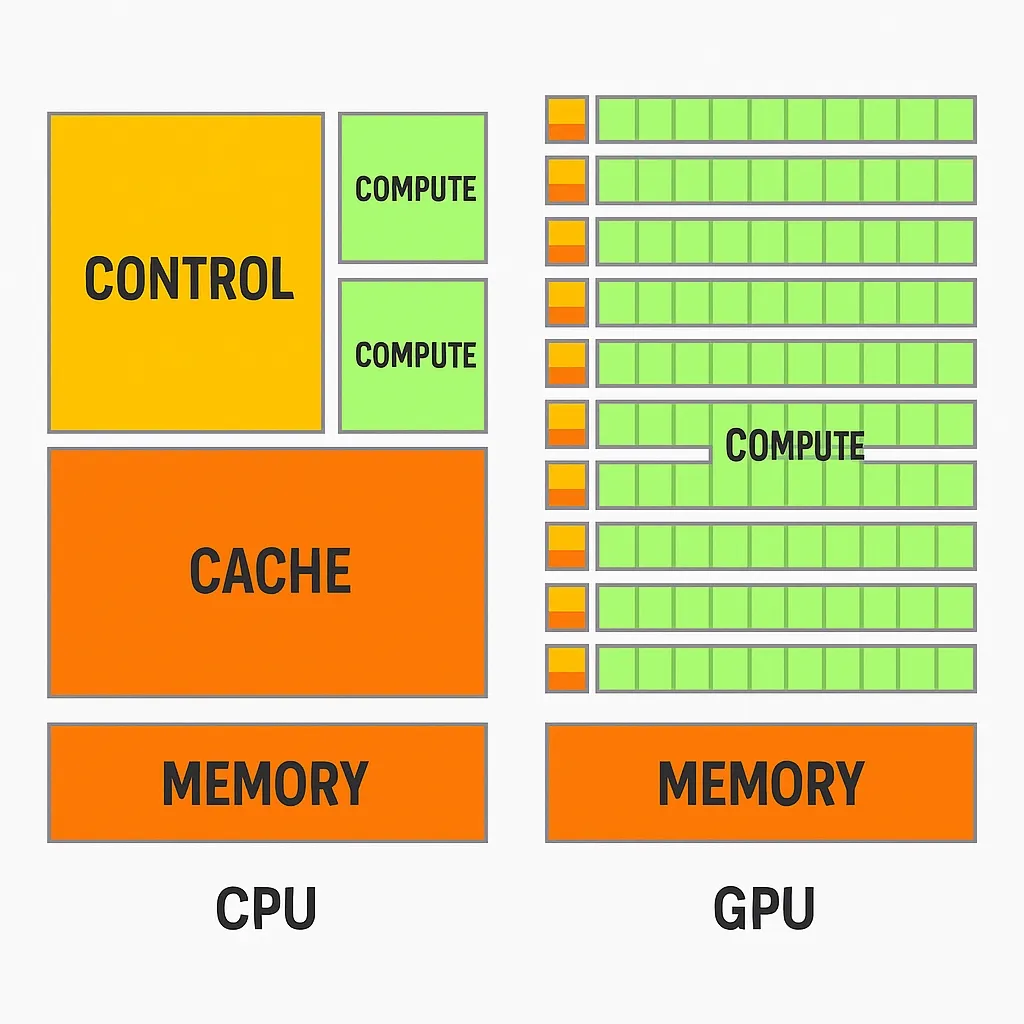
Technical overview of why GPUs outperform CPUs for deep learning training: neural networks' matrix operations, parallelism, GPU architecture and GPGPU benefits.
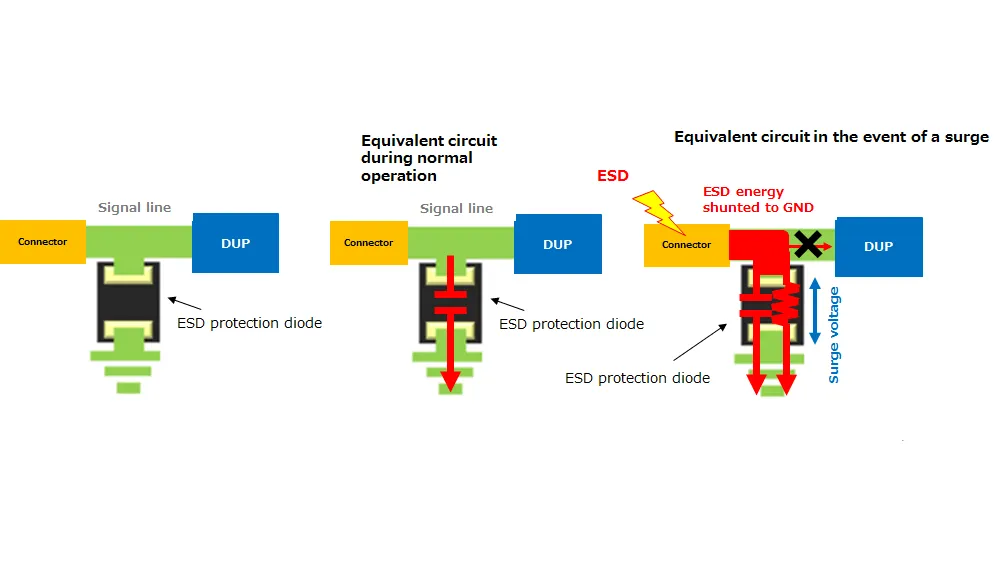
Technical overview of TVS diode protection for robotic systems: BMS short-circuit, motor drive and DC-DC surge schemes, plus signal interface ESD and EMC considerations.
NVIDIA AI Workbench simplifies AI development with tools for RAG apps, GPU setups, and model customization across systems.
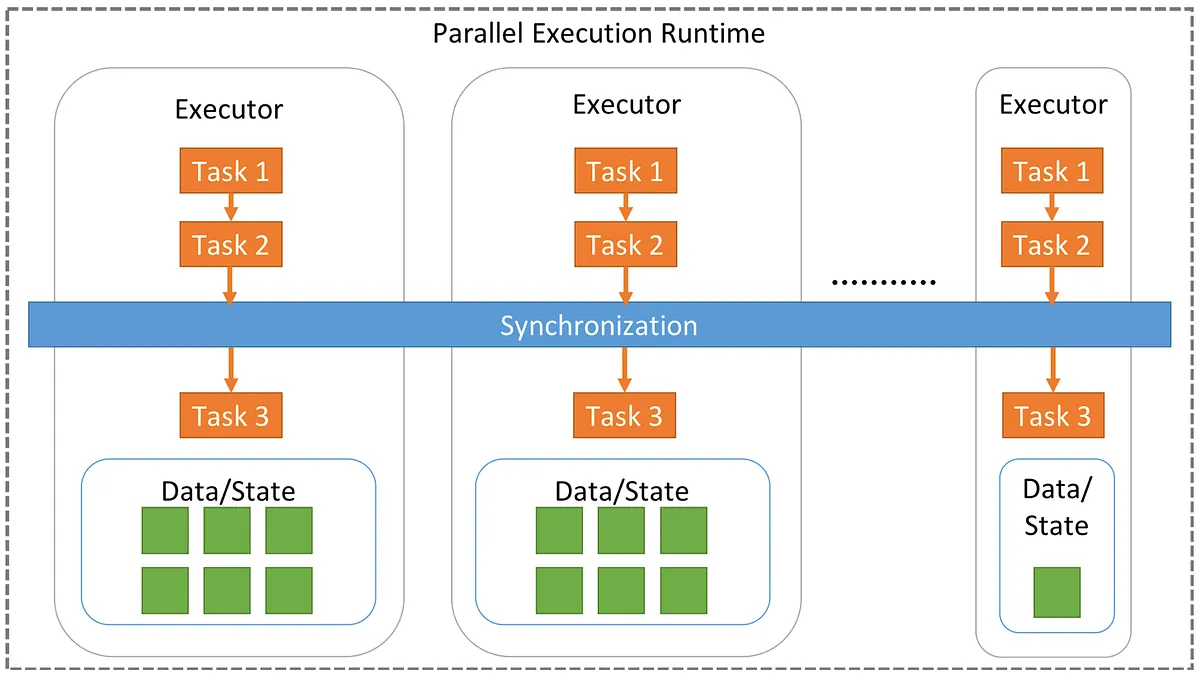
Overview of AI memory demands and new technologies: capacity, bandwidth, latency, power, reliability, and adoption challenges for future AI systems.
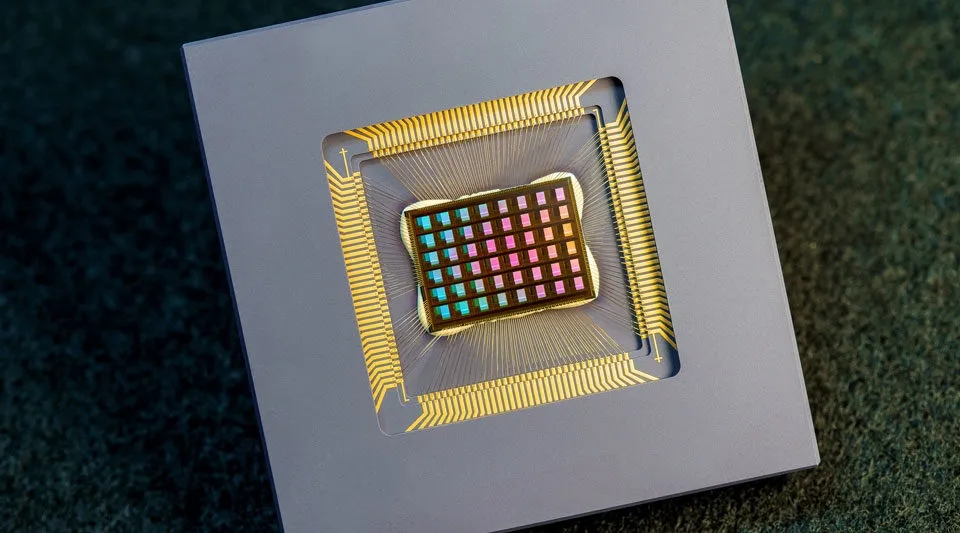
System-level evaluation of compute-in-memory (CiM) for accelerating GEMM in ML inference: compares analog vs digital CiM, cache-level integration, and optimal dataflows.
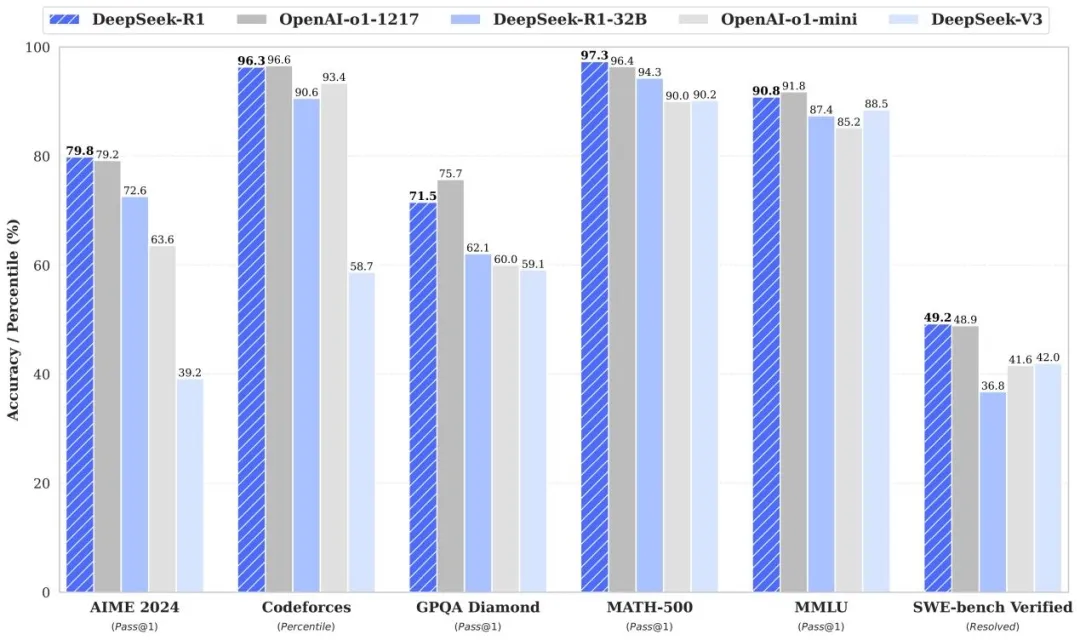
Technical guide to installing RKLLM-Toolkit and converting/deploying the DeepSeek-R1 LLM on EASY-EAI-Orin-Nano (RK3576), covering env setup, conversion, and on-device inference.
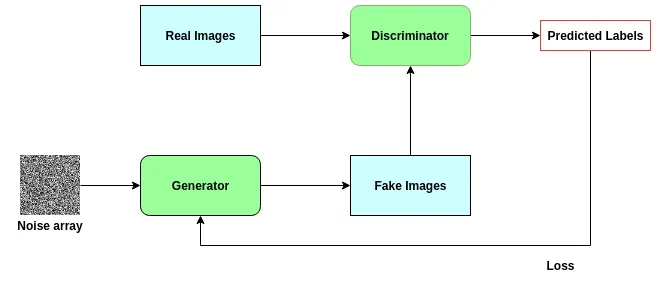
Explains how generative adversarial networks (GANs) work and shows step-by-step training of a PyTorch GAN on MNIST, including network design and training loop.
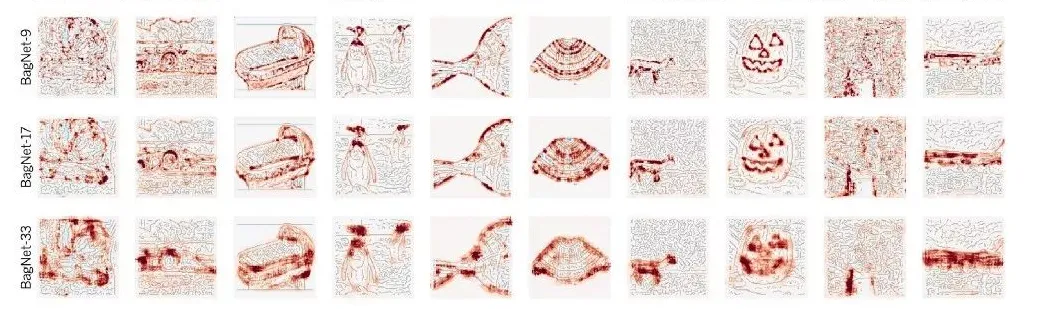
Explains how BagNets show ImageNet classification relies on local bag-of-features strategies, revealing CNN texture bias, patch-based evidence and robustness issues.
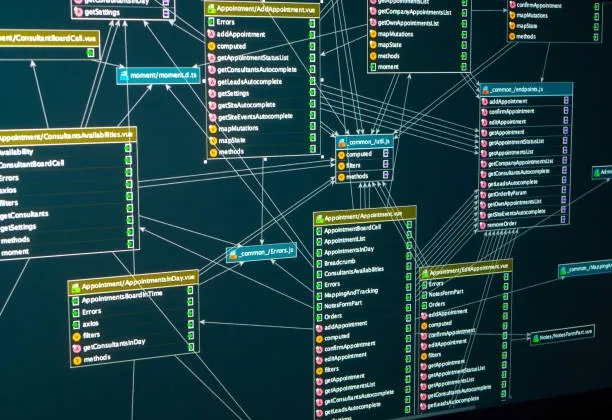
OMGEval presents an open-source multilingual open-ended QA benchmark (804 Chinese prompts) localized from AlpacaEval, using Text-Davinci-003 baseline and GPT-4 evaluation.

Survey of length extrapolation approaches analyzing positional encoding methods and their effects on extending model context windows for long-sequence inference.

Technical guide to scaling LLM training: analyzes memory usage, gradient accumulation, ZeRO, and tensor/data parallelism to improve throughput and GPU utilization.

Review of neural network quantization and numeric formats, covering floating vs integer, block floating point, logarithmic systems, and inference vs training trade-offs.
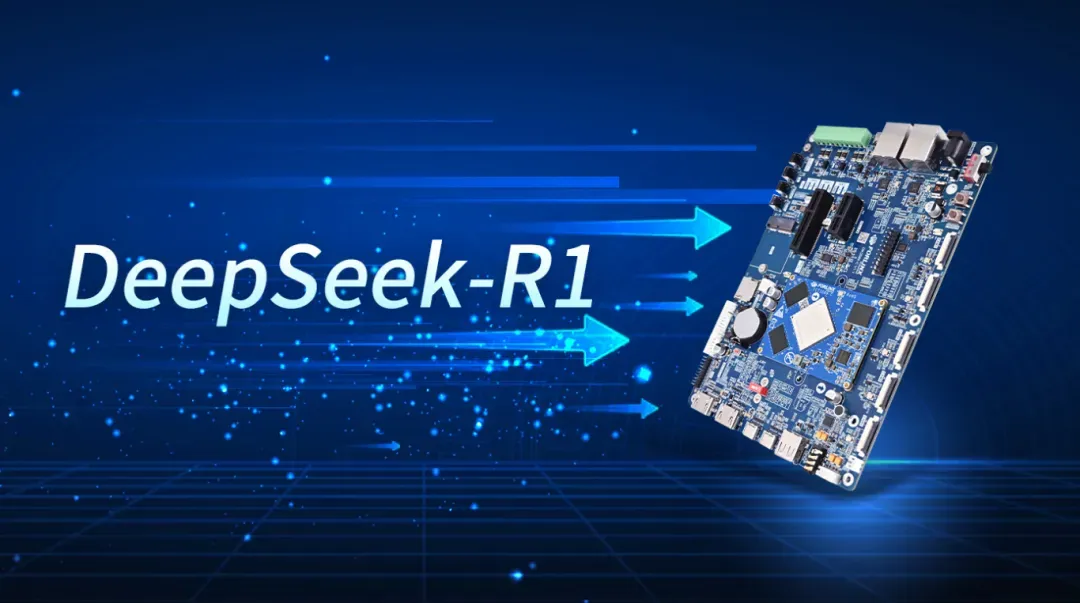
Technical guide to porting DeepSeek-R1 onto RK3588-based edge hardware: model conversion, cross-compilation, board deployment, and measured CPU, memory, and NPU performance.
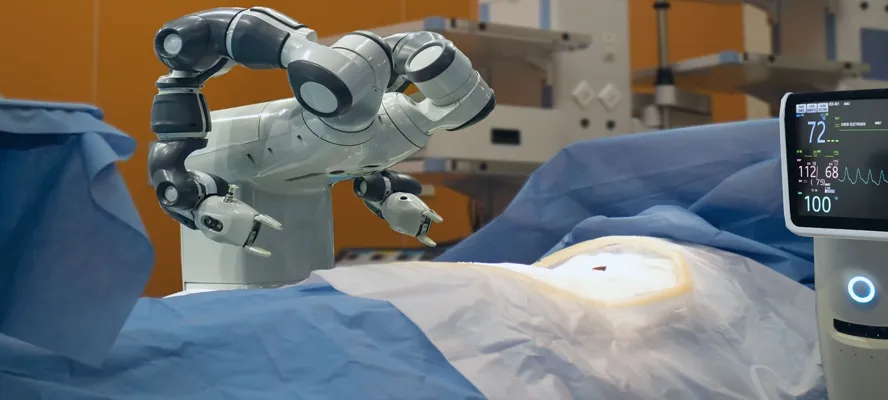
Overview of medical robots in digital health, covering surgical and microrobot applications, AI/ML-enabled perception, sensors, system architecture, and market trends.
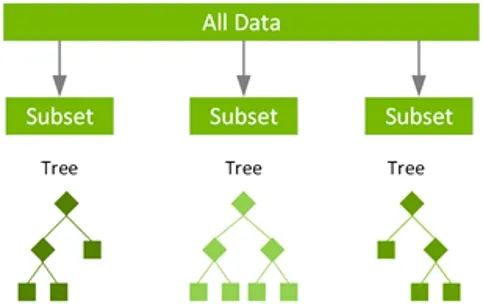
Technical overview of random forest algorithms, bagging, bias-variance tradeoffs, and GPU-accelerated implementations (RAPIDS) for faster model training.