 ALLPCB
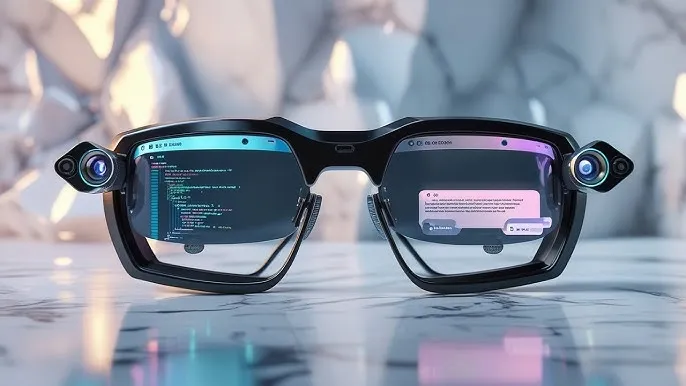
Crystal Oscillators in AI Smart Glasses
Overview of AI glasses hardware and the role of quartz crystal oscillators in providing precise clock signals for display rendering, data processing, and wireless stabilization.



Overview of AI glasses hardware and the role of quartz crystal oscillators in providing precise clock signals for display rendering, data processing, and wireless stabilization.
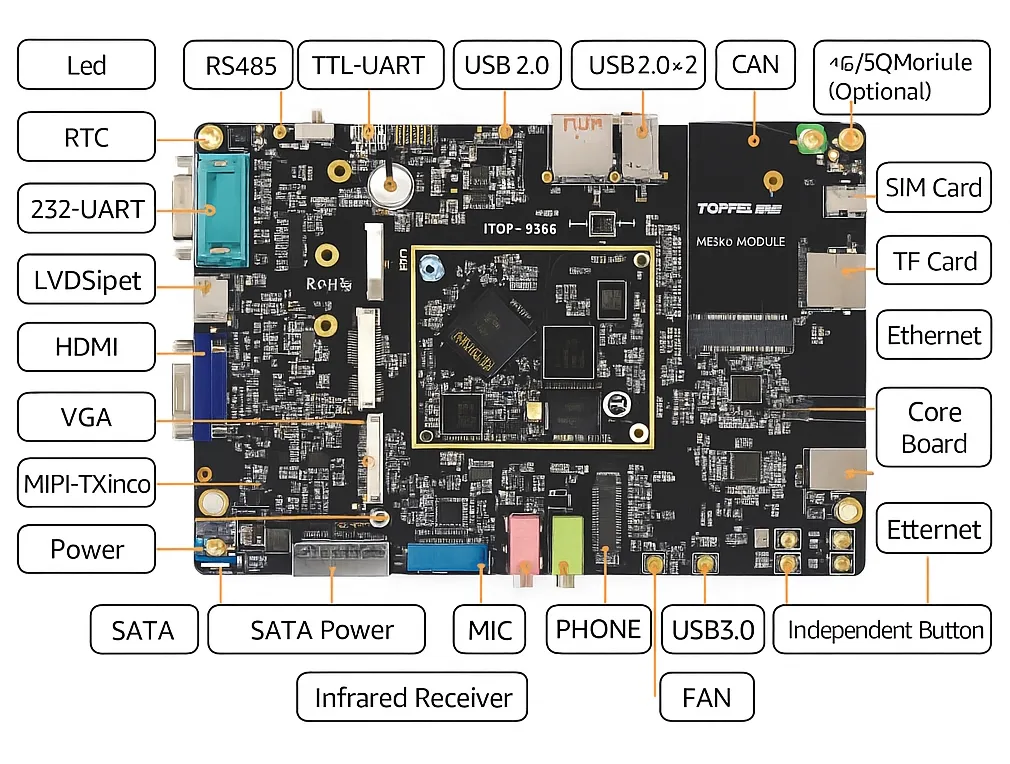
Guide to validating MobileNet image classification inference on the iTOP-RK3568 board, covering RK3568 hardware, NPU use, model files, and execution steps.

Explains how AIoT links AI and physical devices via IP-based networks and application layers like Matter, and deployment considerations for scalable device connectivity.
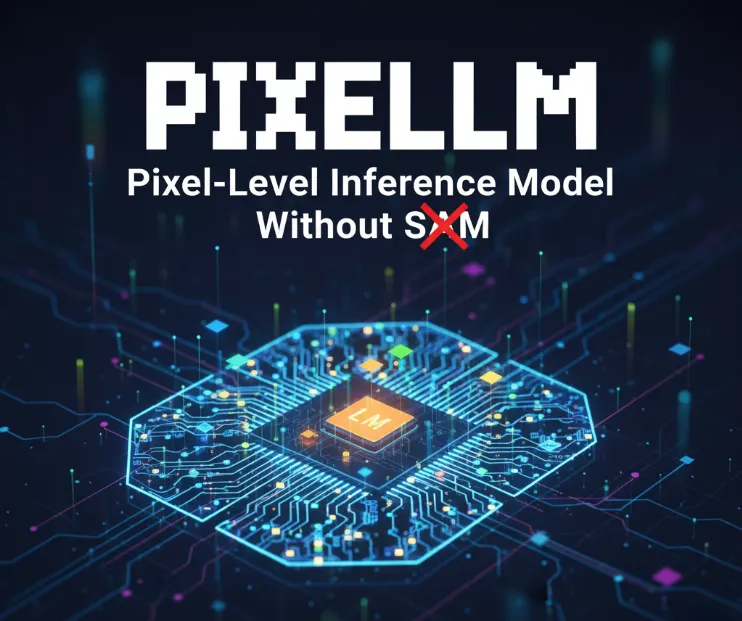
PixelLM is an efficient pixel-level multimodal large model for open-domain multi-object reasoning segmentation without SAM, accompanied by the MUSE dataset.
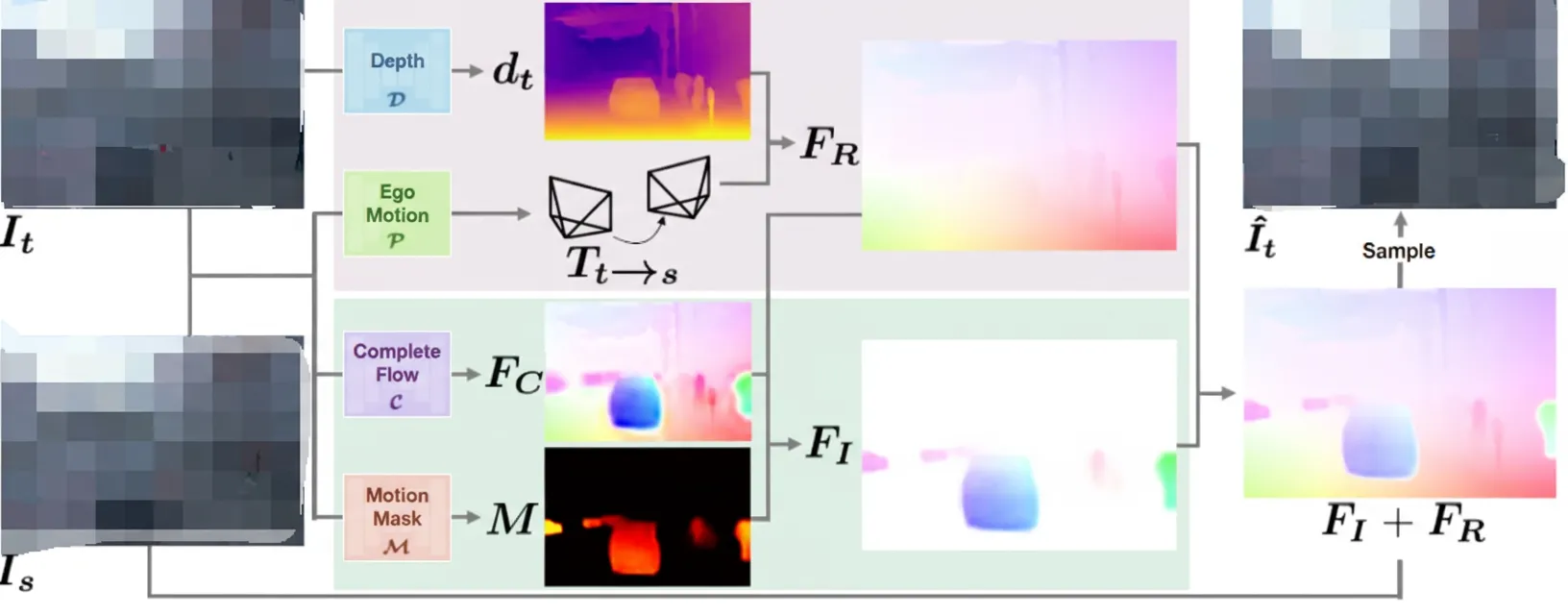
Review of Dynamo-Depth: a self-supervised monocular depth method that jointly learns depth, 3D independent flow and motion segmentation to handle dynamic scenes.

Technical overview of methods to improve reward model robustness for RLHF: quantify preference strength, flip/soften labels, apply adaptive margins, contrastive learning and MetaRM
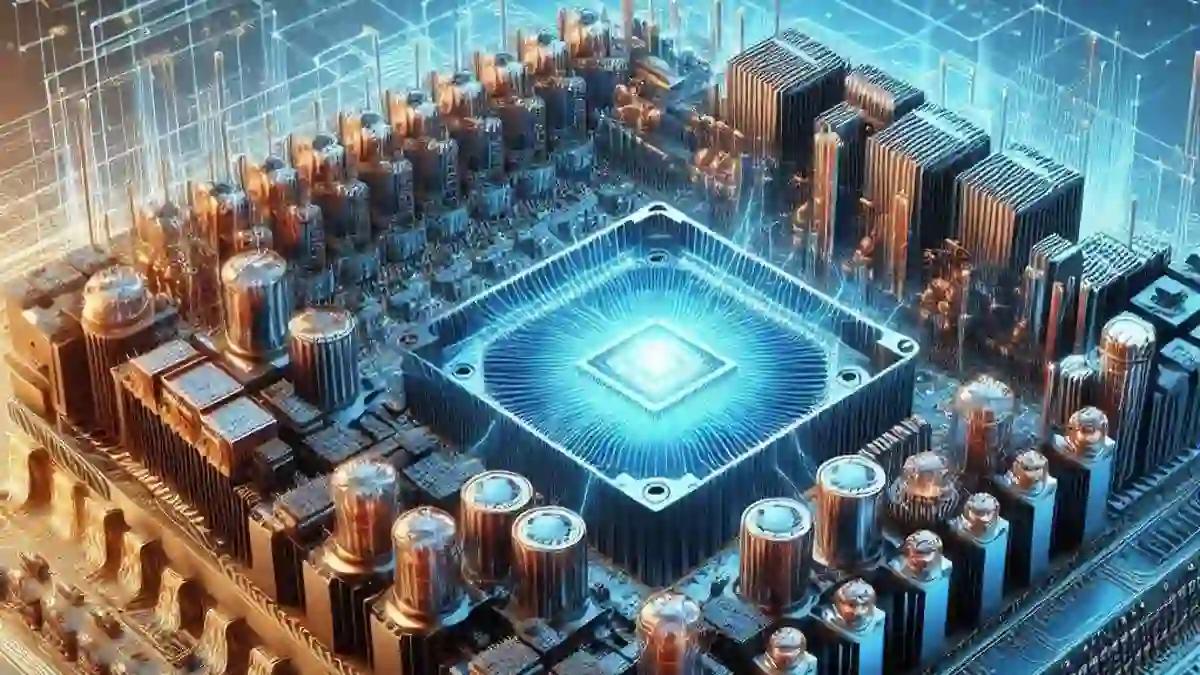
Overview of passive components for AI systems: material, architectural and process innovations for high-current power inductors and low-ESR polymer tantalum capacitors.
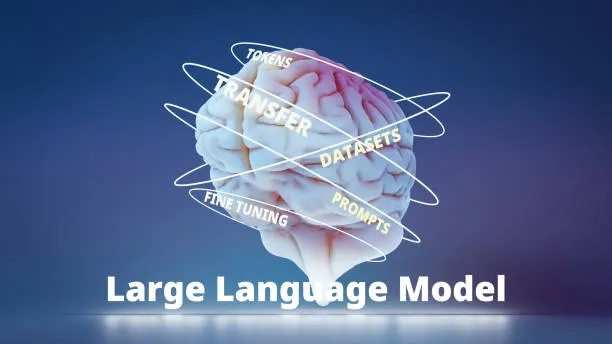
Analysis of recent research evaluating whether LLMs can plan or reason, showing limited autonomous planning and that apparent emergent capabilities stem from in-context learning.
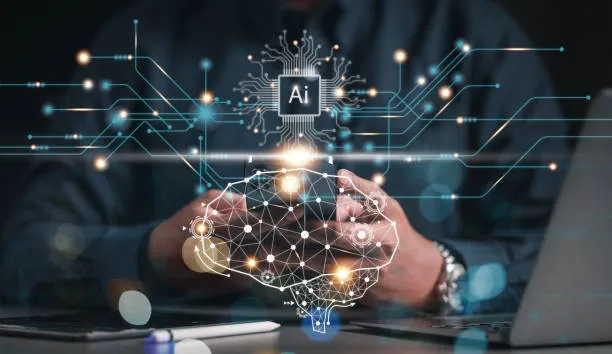
AI overview with latent space representations and practical applications in manufacturing and semiconductor manufacturing, including predictive maintenance and quality assurance.
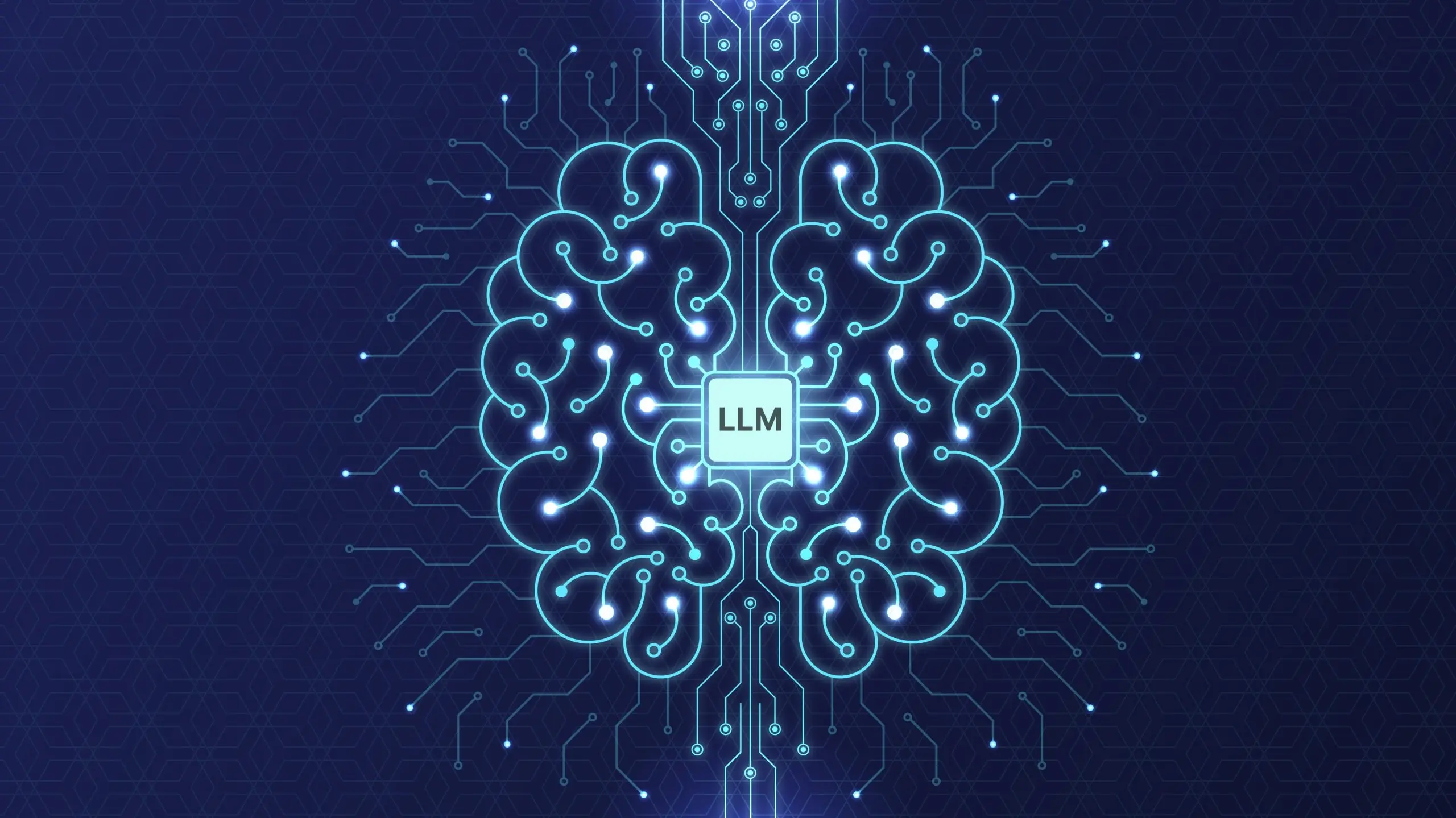
Analysis of LLM model scale, hardware and cost trade-offs, showing how smaller models and cloud-native CPUs improve inference efficiency and sustainability.