 ALLPCB
Practical Tricks for Reward Models
Technical overview of methods to improve reward model robustness for RLHF: quantify preference strength, flip/soften labels, apply adaptive margins, contrastive learning and MetaRM



Technical overview of methods to improve reward model robustness for RLHF: quantify preference strength, flip/soften labels, apply adaptive margins, contrastive learning and MetaRM
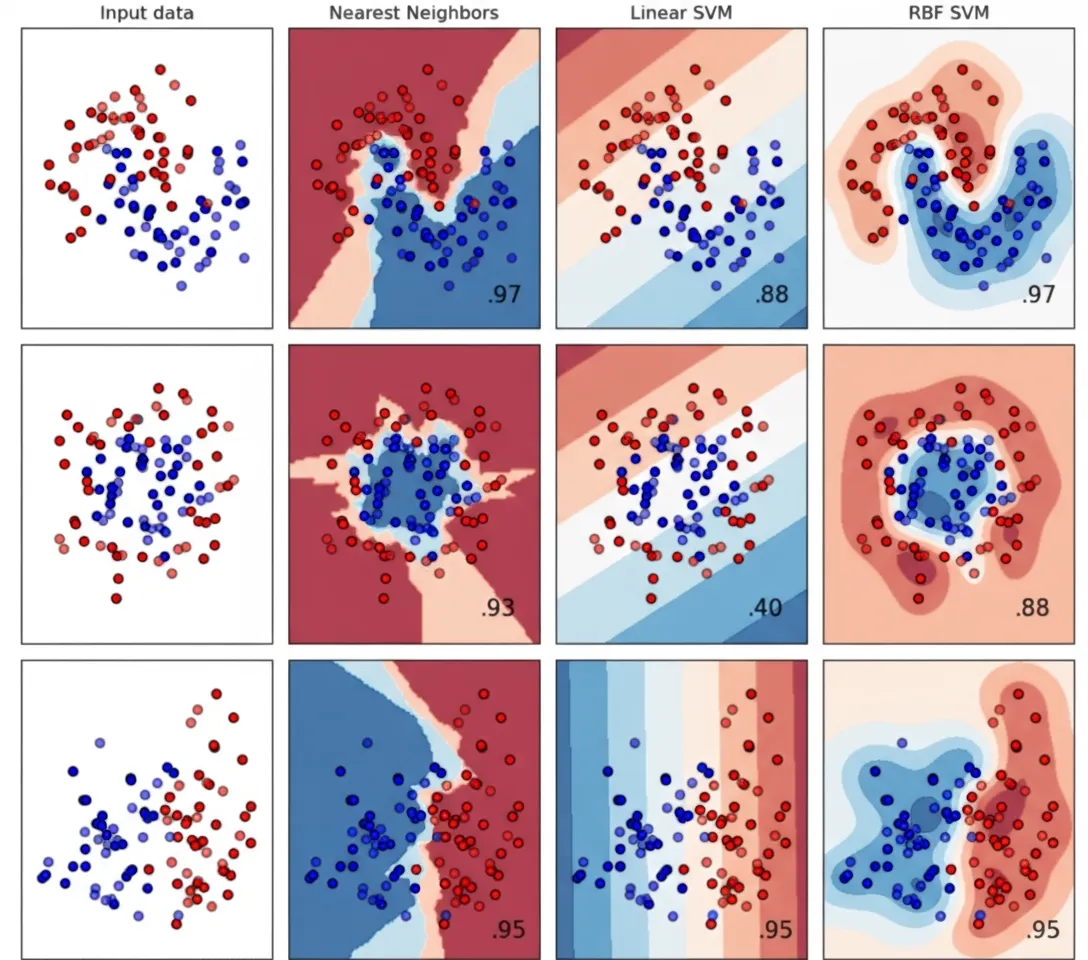
Guide to machine learning visualization techniques covering model structure, performance plots (ROC, confusion matrix), feature importance, and practical analysis.
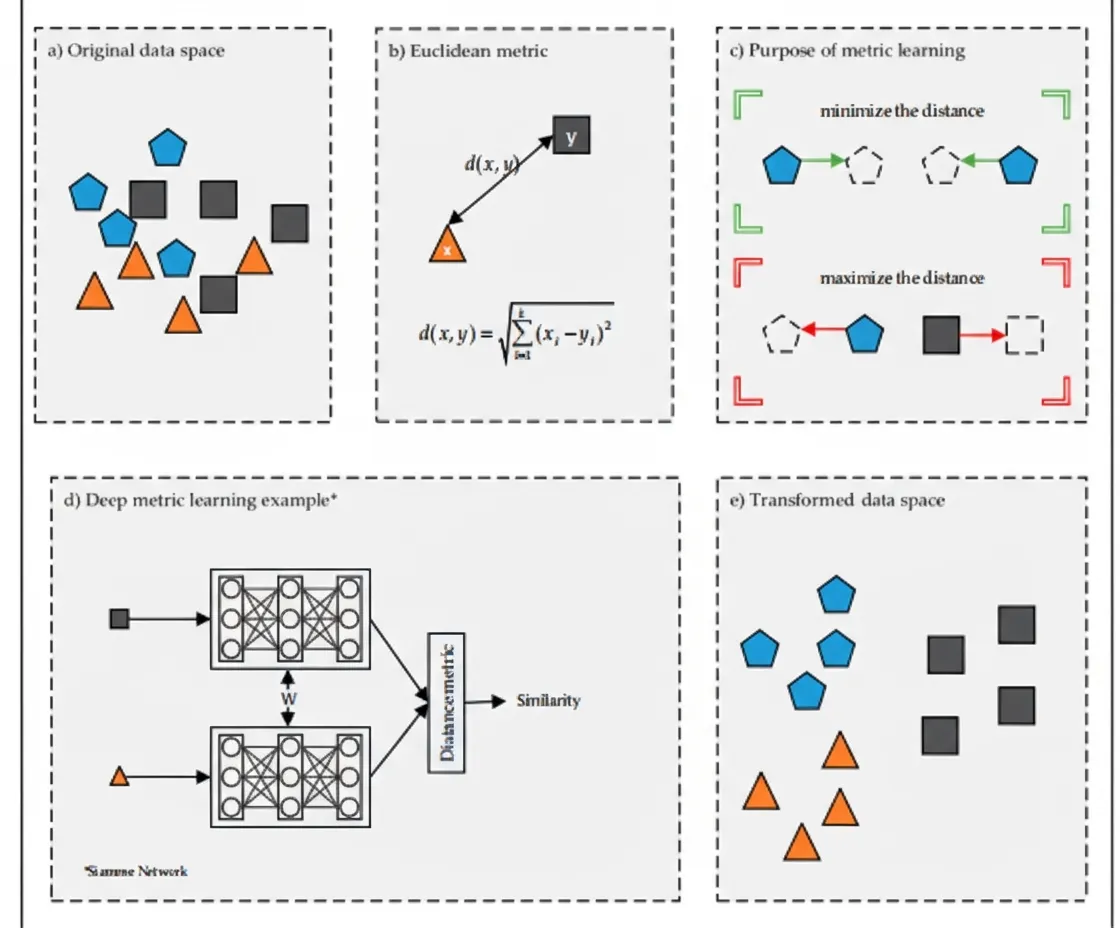
Survey of deep metric learning: formulations, sample selection and metric loss functions (contrastive, triplet, N?pair), architectures and applications in vision, audio, and text.
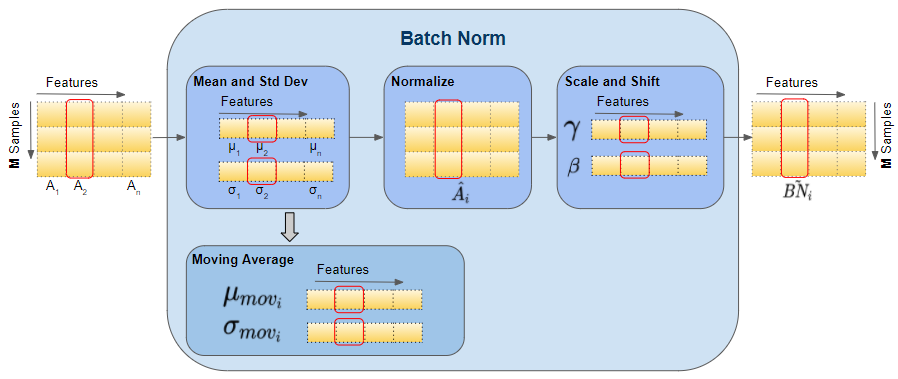
Overview of 12 deep learning interview questions highlighting core concepts and training considerations, including batch normalization and practical model evaluation.
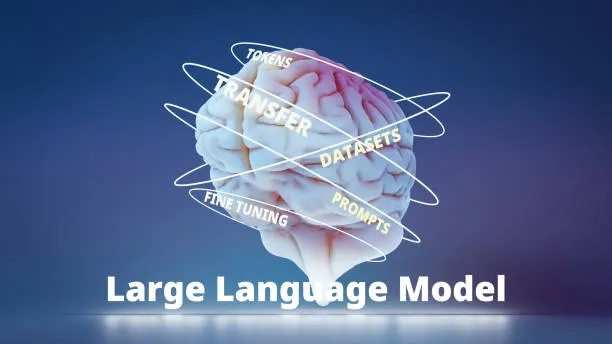
Analysis of recent research evaluating whether LLMs can plan or reason, showing limited autonomous planning and that apparent emergent capabilities stem from in-context learning.
F-Learning: a parameter-based fine-tuning paradigm that subtracts knowledge parameter deltas to forget outdated facts, then fine-tunes (LoRA or full-model) to update LLM knowledge.

Synopsys.ai and Microsoft extend Copilot into EDA with Azure OpenAI, adding GenAI features for RTL generation, formal verification assertions, and validated design workflows.

Tsinghua study analyzes implicit harmful content in LLMs, showing how SFT and RLHF can induce subtle abusive outputs that evade harmful-content detectors.
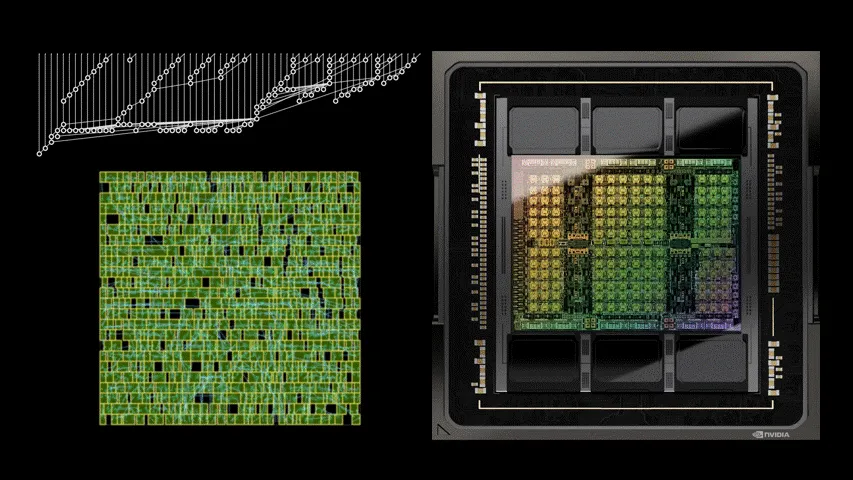
PrefixRL uses deep reinforcement learning to optimize parallel prefix circuits, producing smaller, lower-latency adders and mapping Pareto trade-offs between area and latency.

DAICL: a retrieval-augmented in-context learning framework for unsupervised domain adaptation that retrieves target examples and jointly optimizes task and LM.