 ALLPCB

10 Core Concepts of Large Models
Summary of ten core concepts for efficient AI large models, covering model variants, parameters, context length, tokens, distillation and quantization.



Summary of ten core concepts for efficient AI large models, covering model variants, parameters, context length, tokens, distillation and quantization.

Hierarchical reinforcement learning framework where a vision-language model outputs intermediate instructions and low-level RL maps them to morphology-specific robot actions.

Deep Natural Anonymization (DNAT) replaces faces and plates with synthetic overlays, preserving age/gender for GDPR-compliant privacy and real-time 24 FPS edge processing.

Microsoft’s government CTO details public sector AI adoption, cloud migration, ethical AI governance, and cybersecurity practices to enable secure, data-driven government services.
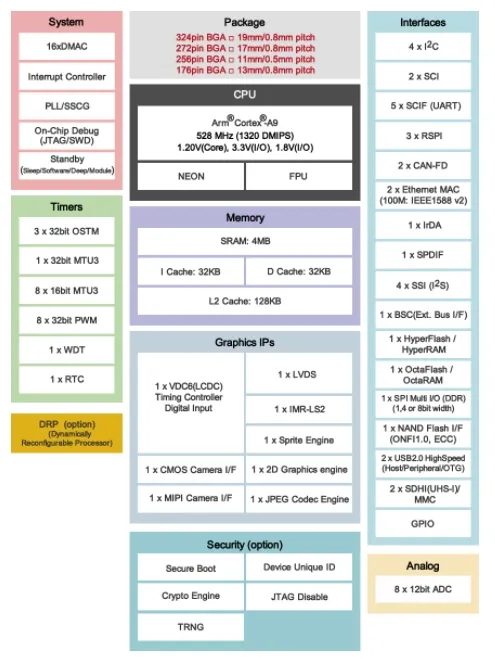
RZ/A2M MPU for high-speed embedded AI image processing: hybrid DRP preprocessing tightly coupled with a Cortex-A9 CPU, up to 4MB SRAM and multiple PWM outputs.
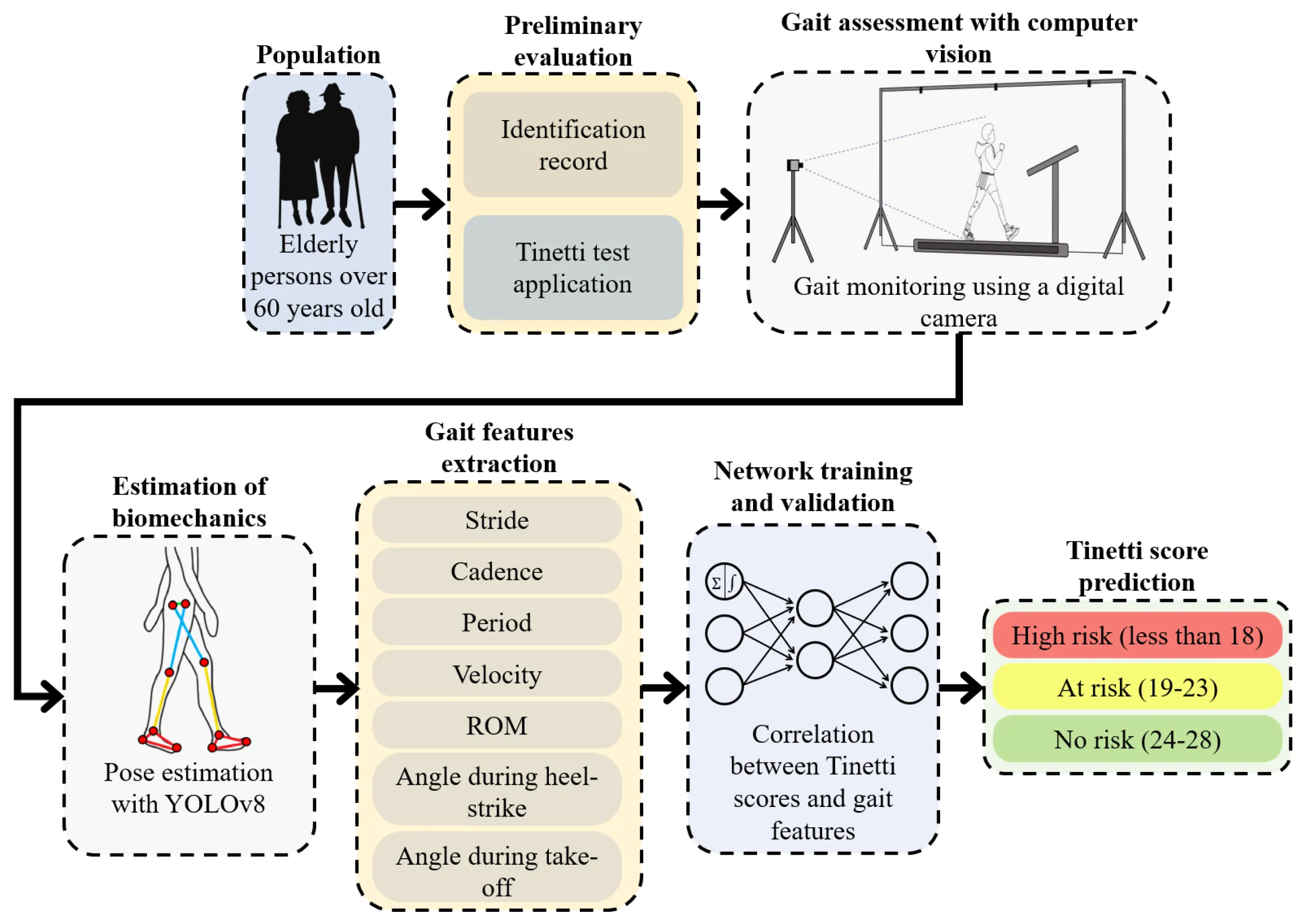
Study summary: Azure Kinect computer vision and machine learning for gait recognition—classifying normal, pelvic obliquity, and knee hyperextension; SVM/KNN top accuracy.
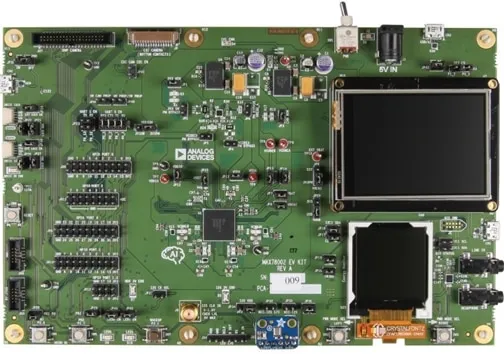
Overview of Analog Devices' MAX78002 MCU with integrated CNN accelerator for edge AI: architecture, low-power SIMO/DVS power management, interfaces, and EV kit.

Review of artificial intelligence applications in military intelligence: current uses, an AI-driven intelligence service model, US projects, trends and technical challenges.

Analysis of fully connected layers' limitations on sequential data and one-hot encoding trade-offs, with embedding and RNN alternatives for efficient sequence modeling.
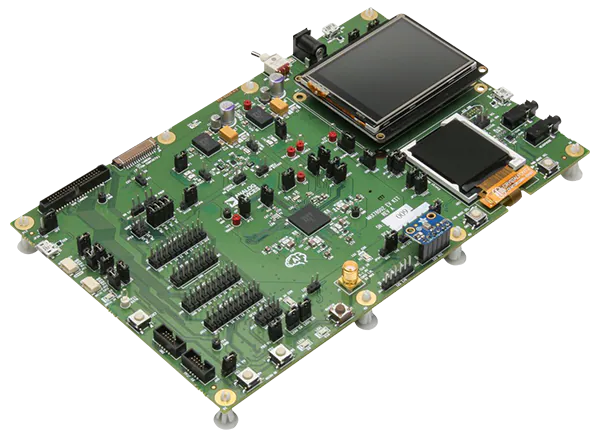
MAX78002 evaluation kit overview: modular I/O for AI prototyping, supporting DVP/CSI cameras, I2S audio/mics, QWIIC expansion, power measurement and debug headers.