 ALLPCB
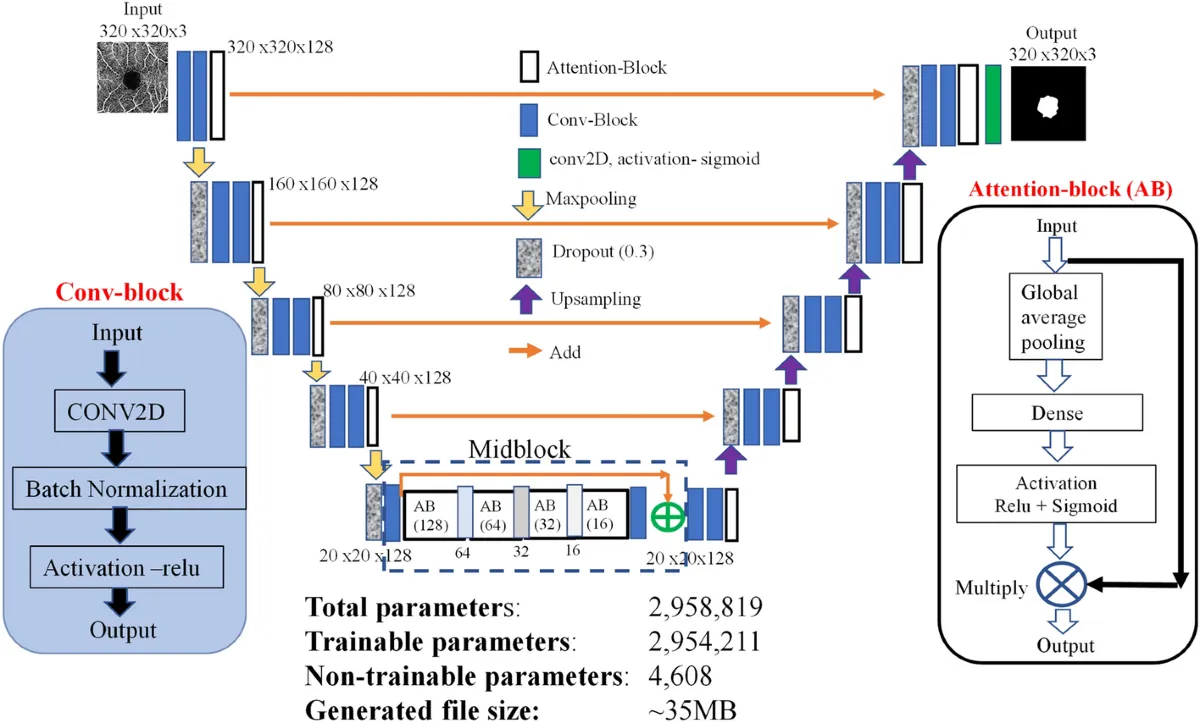
Future Directions in Lightweight Deep Learning
Review of lightweight deep learning for resource-constrained devices: TinyML, quantization, architectures and deployment strategies for efficient inference.



Review of lightweight deep learning for resource-constrained devices: TinyML, quantization, architectures and deployment strategies for efficient inference.

Predictive maintenance and digital twin applications for AI-driven industrial process stability, enabling real-time parameter optimization and reduced downtime.

Analysis of large-model scaling: how parameter count and training tokens drive compute requirements, showing compute grows ~quadratically with model size.
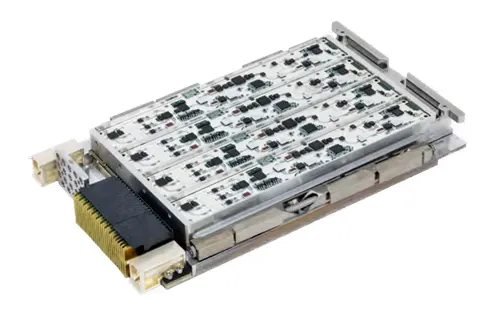
VPX361 8-channel RF transceiver using Xilinx Zynq UltraScale+ XCZU47DR SoC: eight 14-bit ADCs/DACs up to 6 GHz, 25 Gbps GTY backplane, DDR4/eMMC memory for radar and EW.
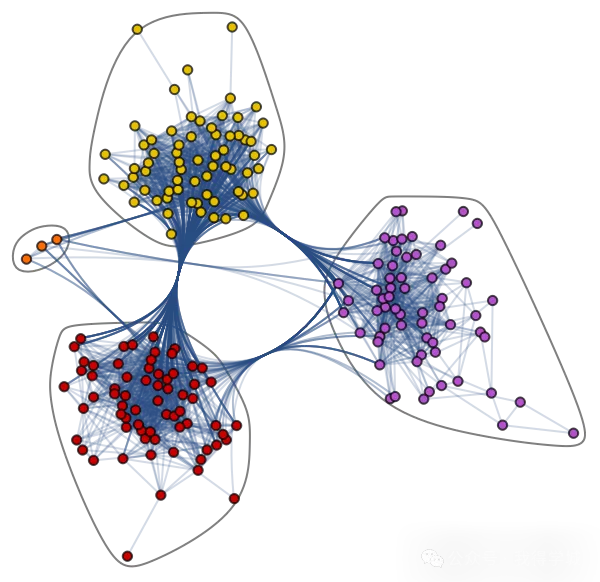
Overview of graph neural networks, graph basics and NetworkX graph creation, GNN types and challenges, plus a PyTorch spectral GNN example for node classification.
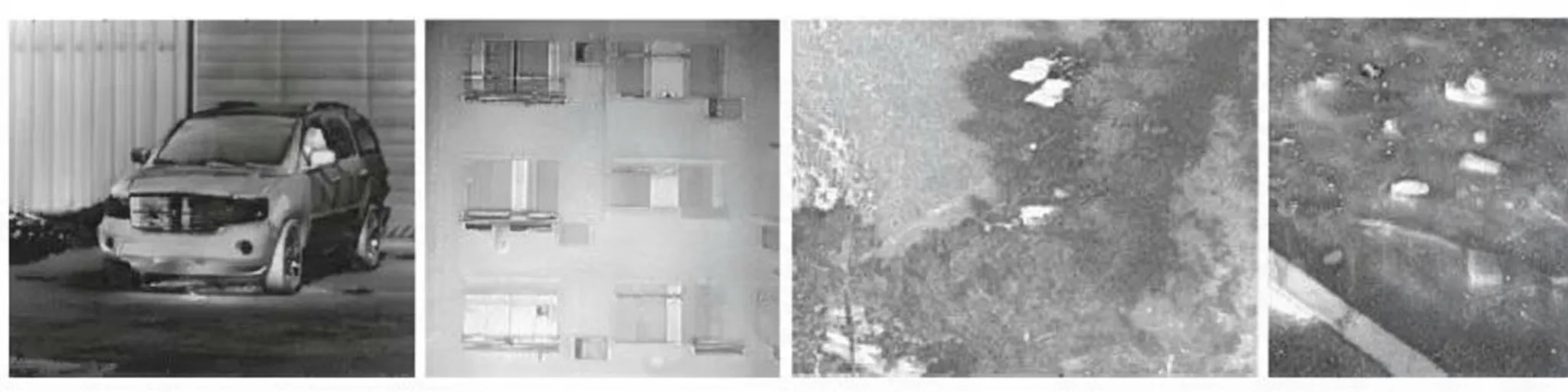
Comprehensive review of polarization image fusion and deep learning methods (CNN, GAN), traditional algorithms, datasets, applications, and future research directions.

Overview of FFT benchmark: a 2,116-instance evaluation of LLM harmlessness assessing factuality, fairness, and toxicity to reveal model harms and mitigation gaps.
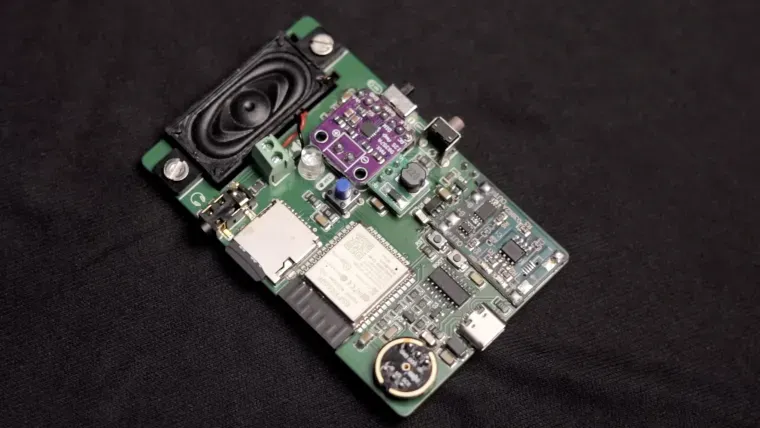
PCB implementation guide for smart toy hardware with WT3000A-M6 voice module: system architecture, audio capture, RF matching, power management, layout and safety.
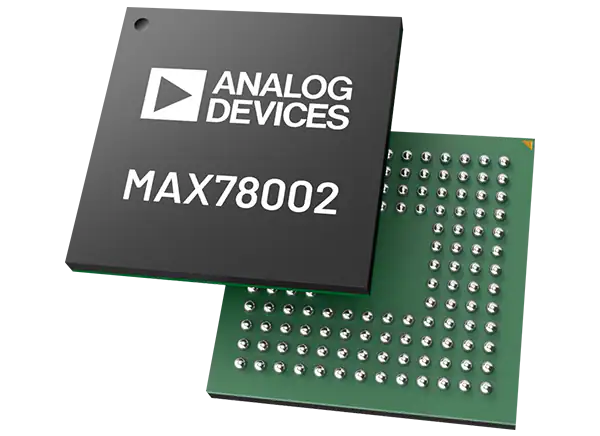
Overview of the Analog Devices MAX78002 AI microcontroller - ultra-low-power dual-core MCU with power management and edge inference use cases for battery-powered devices.
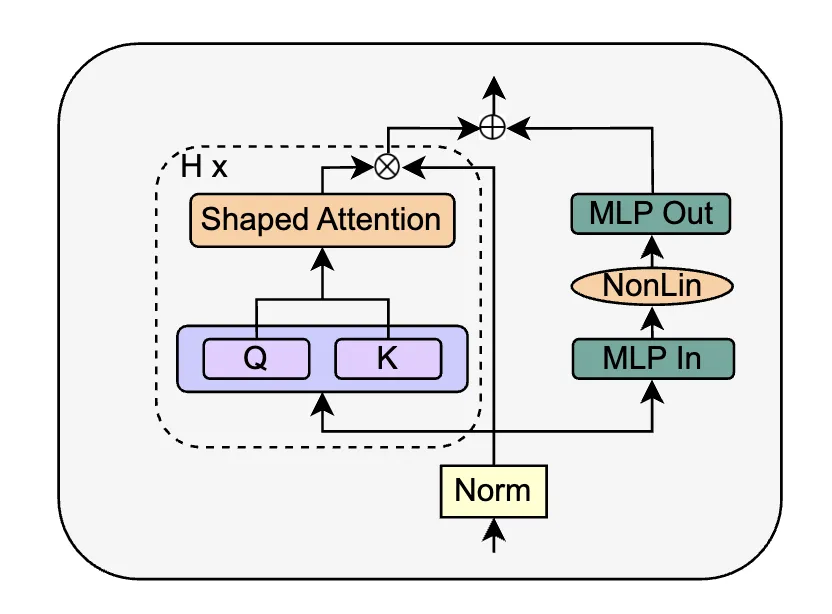
Simplifying Transformer blocks by removing skip connections, projections and normalization; introduces Simplified Attention to reduce parameters and raise training throughput.