 ALLPCB
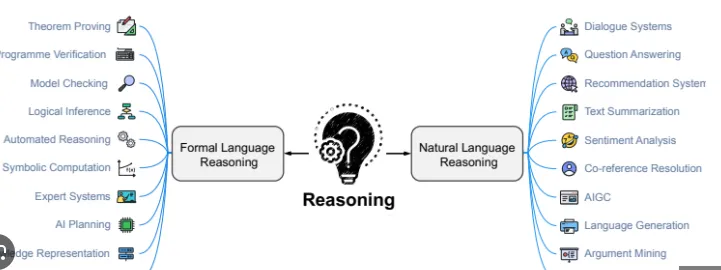
Resolution-Refutation Logic Reasoning for Large Language Models
GFaiR applies resolution-refutation over natural language to improve first-order logic reasoning in LLMs, boosting generalization and faithfulness with a validator.



GFaiR applies resolution-refutation over natural language to improve first-order logic reasoning in LLMs, boosting generalization and faithfulness with a validator.

Overview of intelligent computing center architecture and operation: GPU clusters, high-speed storage and networking, distributed frameworks, intelligent OS, and AI access models.

Explains the meaning of convolution—why we flip (fold) and multiply—using signal analysis, dice probability, and image processing kernels as examples.
F-Learning: a parameter-based fine-tuning paradigm that subtracts knowledge parameter deltas to forget outdated facts, then fine-tunes (LoRA or full-model) to update LLM knowledge.

Analysis of the AI chips ecosystem: technical, commercial, and strategic factors shaping developer affinity, multi?generation platform continuity, and ecosystem influence.

Detailed review of a 30k-line NumPy machine learning repository implementing 30+ models with explicit gradient computations, utilities, and test examples.
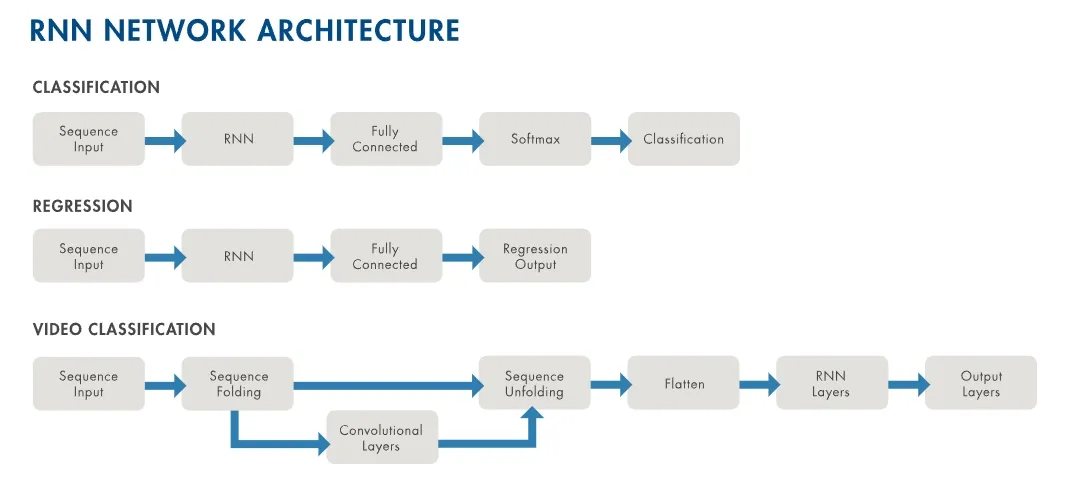
Technical overview of RNNs and LSTM architectures, how they model sequential data, application areas like signal and text processing, and MATLAB-based implementation.

System-level overview of LLM inference optimization, detailing techniques and tradeoffs to improve throughput for Transformer-based large language models.
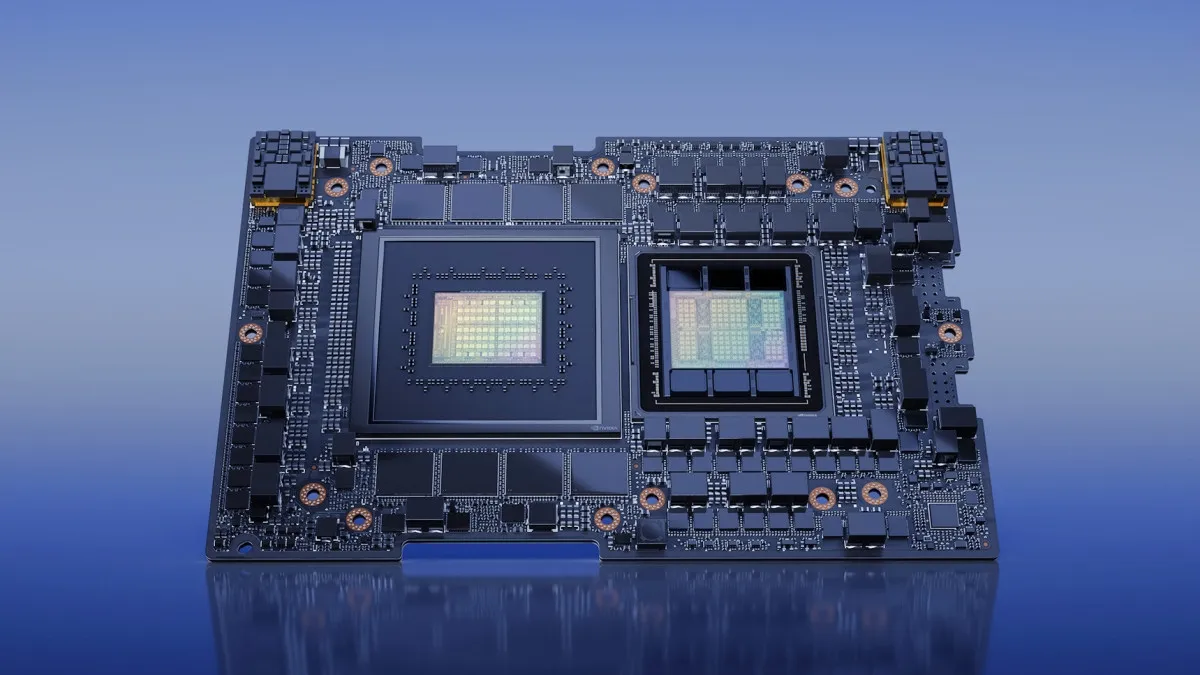
Concise technical overview of GPU concepts, architecture and GPU vs CPU differences, parallel processing and performance factors for graphics and AI inference.
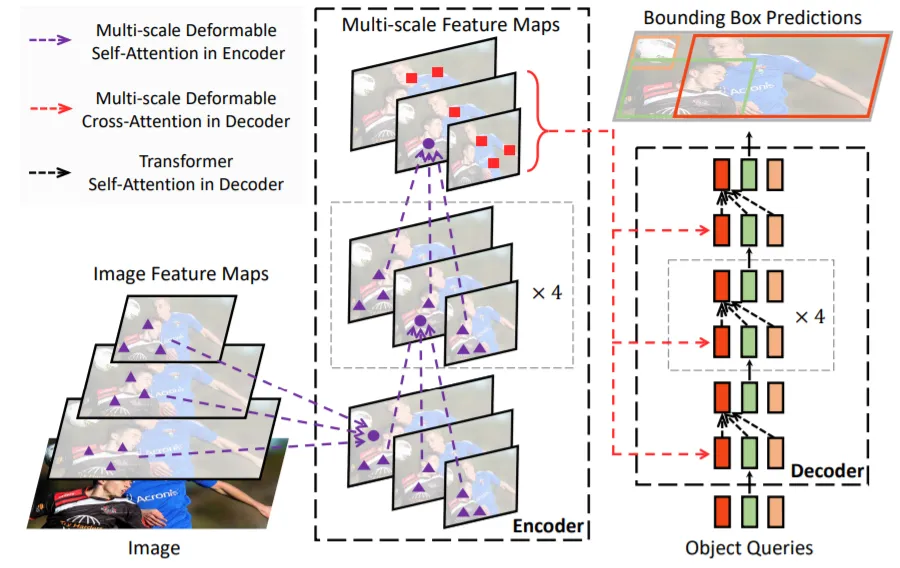
Overview of Vision Transformer architectures and their use in object detection, covering encoder-decoder design, multi-scale fusion, DETR and Deformable DETR approaches.