 ALLPCB

Thermal and EMI Challenges in AI Chip Design
Explore thermal and EMI challenges in AI chip design, focusing on heat dissipation and noise suppression for high-performance computing.



Explore thermal and EMI challenges in AI chip design, focusing on heat dissipation and noise suppression for high-performance computing.
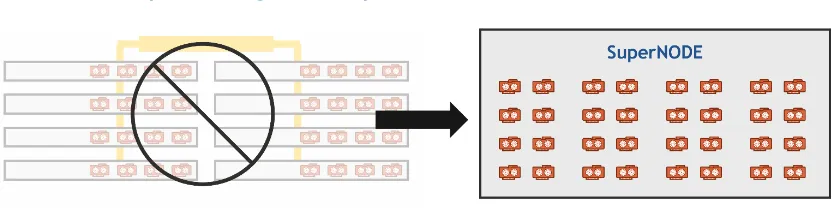
Summary of TensorNODE, a TensorWave bare-metal AI cloud using AMD MI300X GPUs and a PCIe Gen5 memory fabric to enable petabyte-scale GPU memory pools.
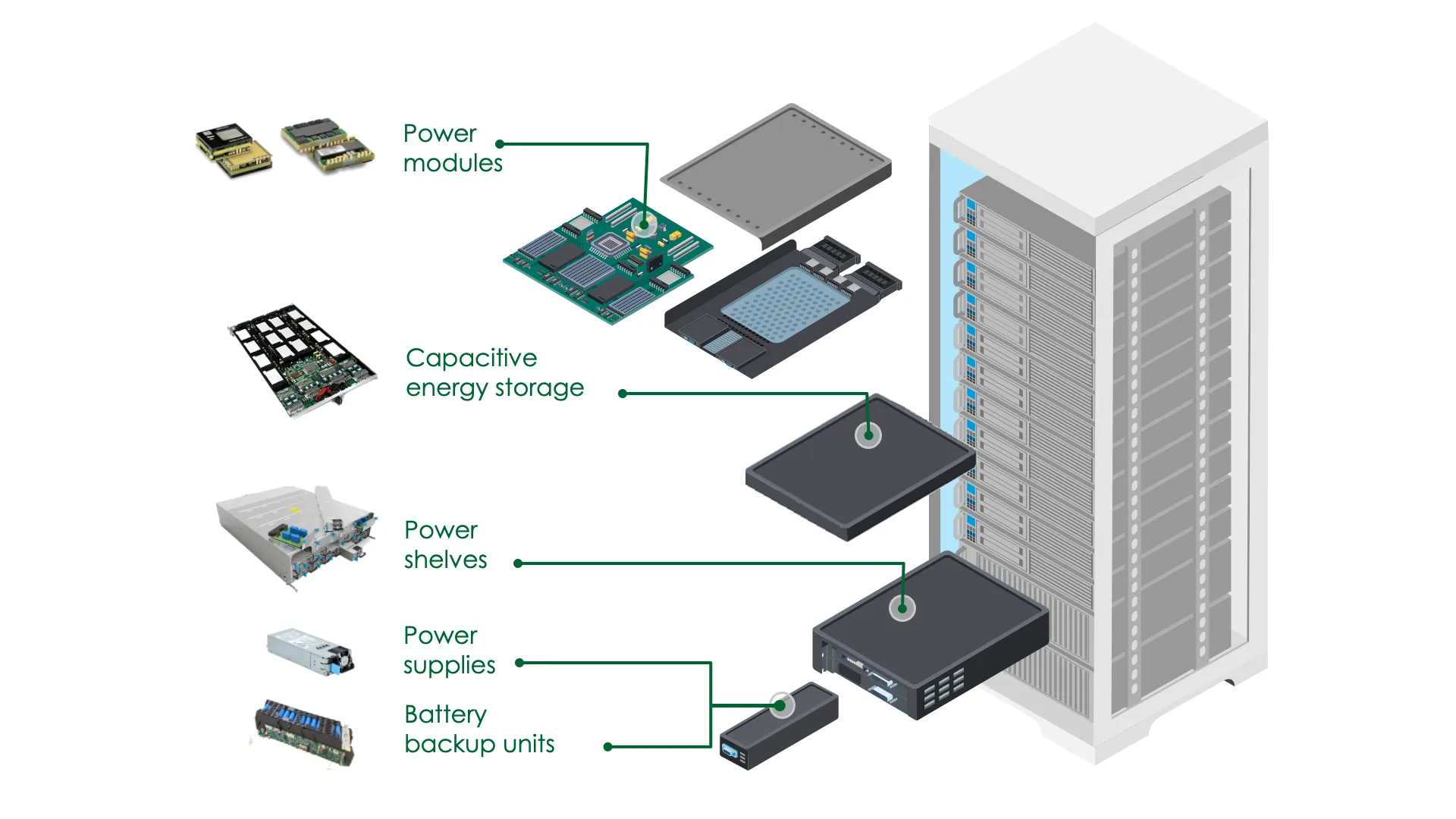
Technical overview of data center power management: hybrid capacitors, low?ESR components, precision resistors and wireless monitoring to improve efficiency and reliability.
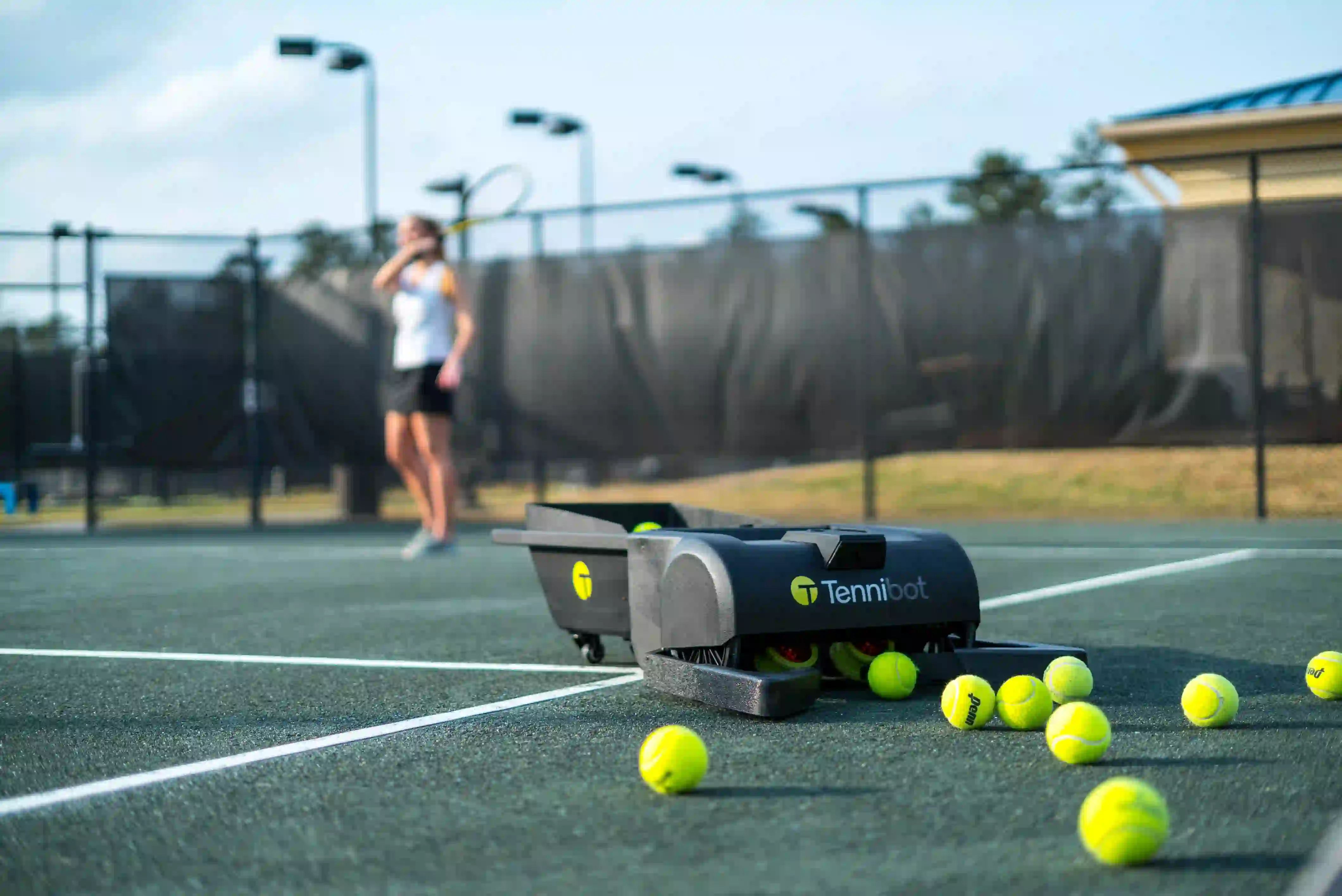
Autonomous tennis-ball collection and serving robot using YOLOv5 detection and SLAM/AMCL localization, with optimized path planning and hierarchical wheel control.

Technical overview of Google Gemini, a multimodal foundation model family (Ultra, Pro, Nano), its benchmarks vs GPT-4, multimodal capabilities, and TPU efficiency.
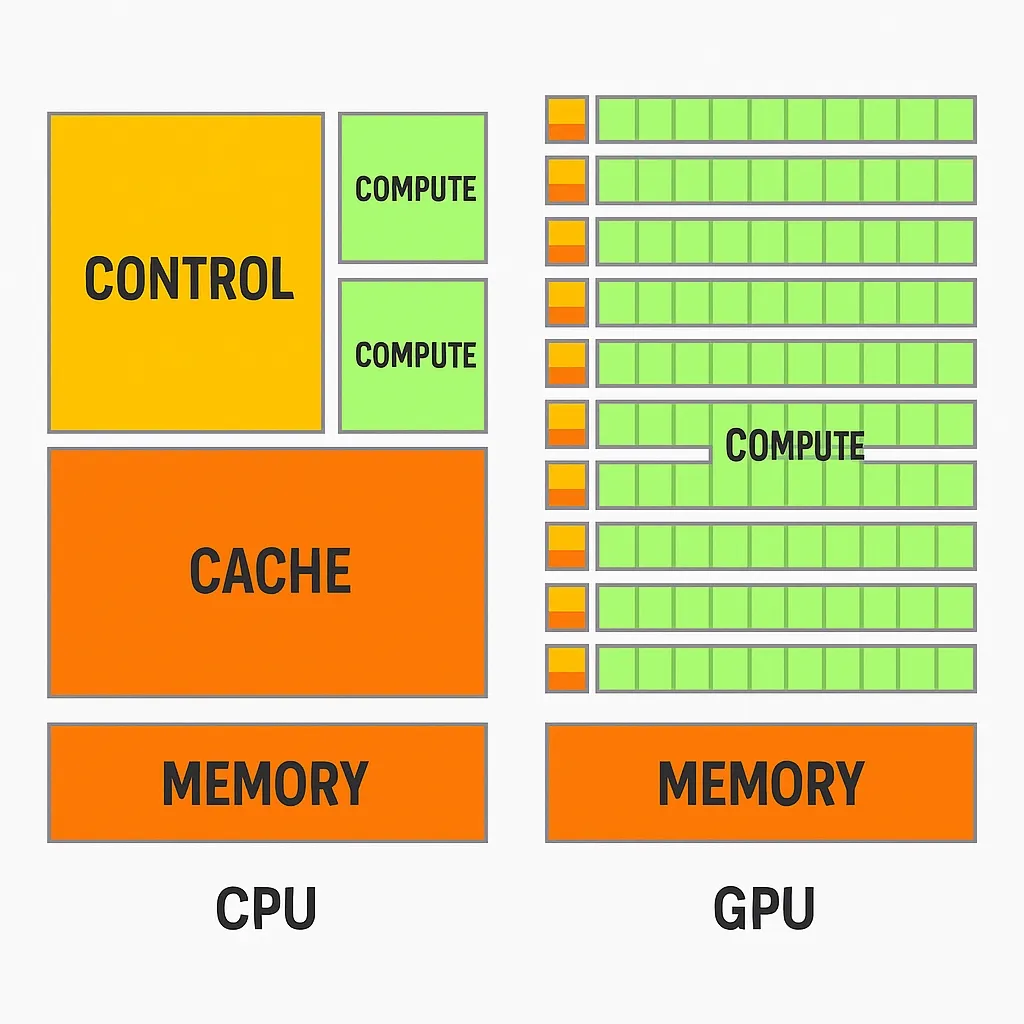
Technical overview of why GPUs outperform CPUs for deep learning training: neural networks' matrix operations, parallelism, GPU architecture and GPGPU benefits.
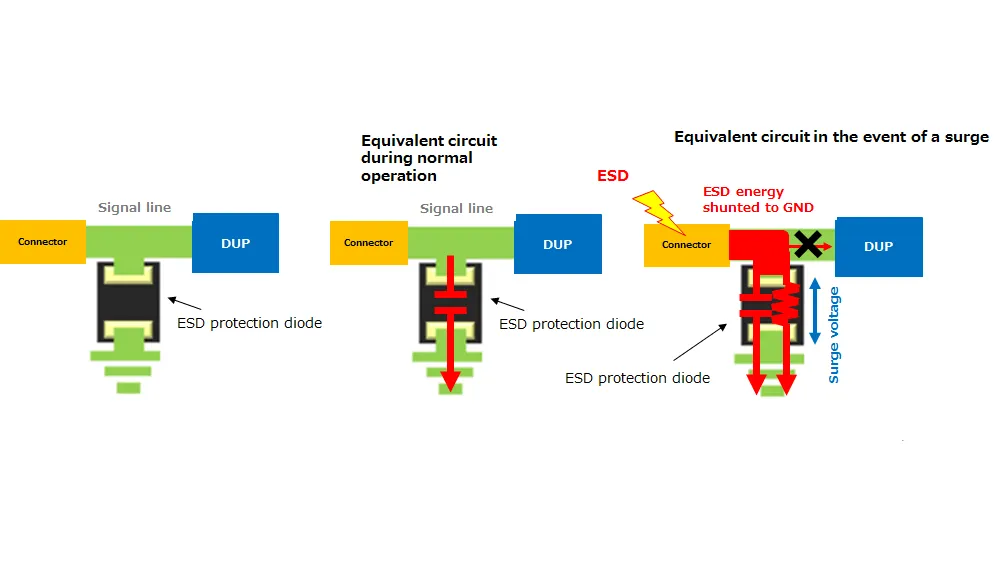
Technical overview of TVS diode protection for robotic systems: BMS short-circuit, motor drive and DC-DC surge schemes, plus signal interface ESD and EMC considerations.
NVIDIA AI Workbench simplifies AI development with tools for RAG apps, GPU setups, and model customization across systems.
Overview of AI memory demands and new technologies: capacity, bandwidth, latency, power, reliability, and adoption challenges for future AI systems.
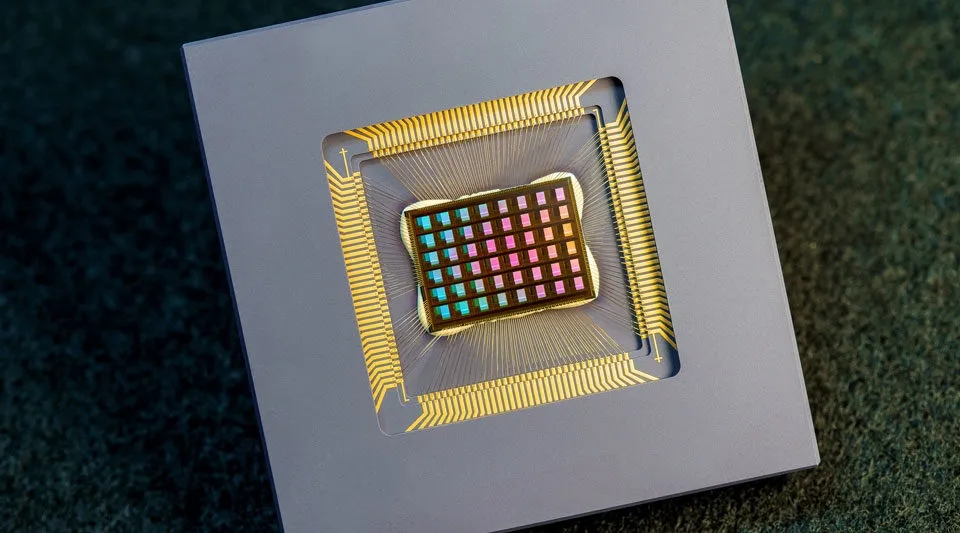
System-level evaluation of compute-in-memory (CiM) for accelerating GEMM in ML inference: compares analog vs digital CiM, cache-level integration, and optimal dataflows.