 ALLPCB

PixelLM: First Efficient Pixel-Level Inference Model Without SAM
PixelLM is an efficient pixel-level multimodal large model for open-domain multi-object reasoning segmentation without SAM, accompanied by the MUSE dataset.



PixelLM is an efficient pixel-level multimodal large model for open-domain multi-object reasoning segmentation without SAM, accompanied by the MUSE dataset.
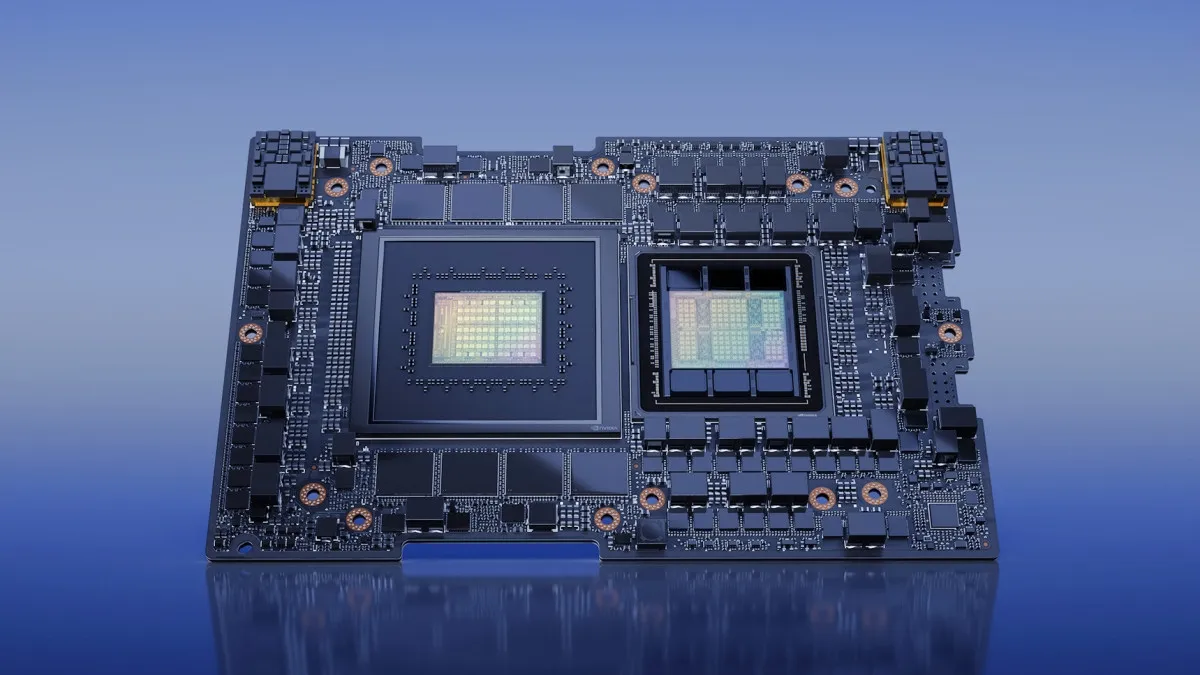
Concise technical overview of GPU concepts, architecture and GPU vs CPU differences, parallel processing and performance factors for graphics and AI inference.

Guide to validating MobileNet image classification inference on the iTOP-RK3568 board, covering RK3568 hardware, NPU use, model files, and execution steps.

Overview of passive components for AI systems: material, architectural and process innovations for high-current power inductors and low-ESR polymer tantalum capacitors.
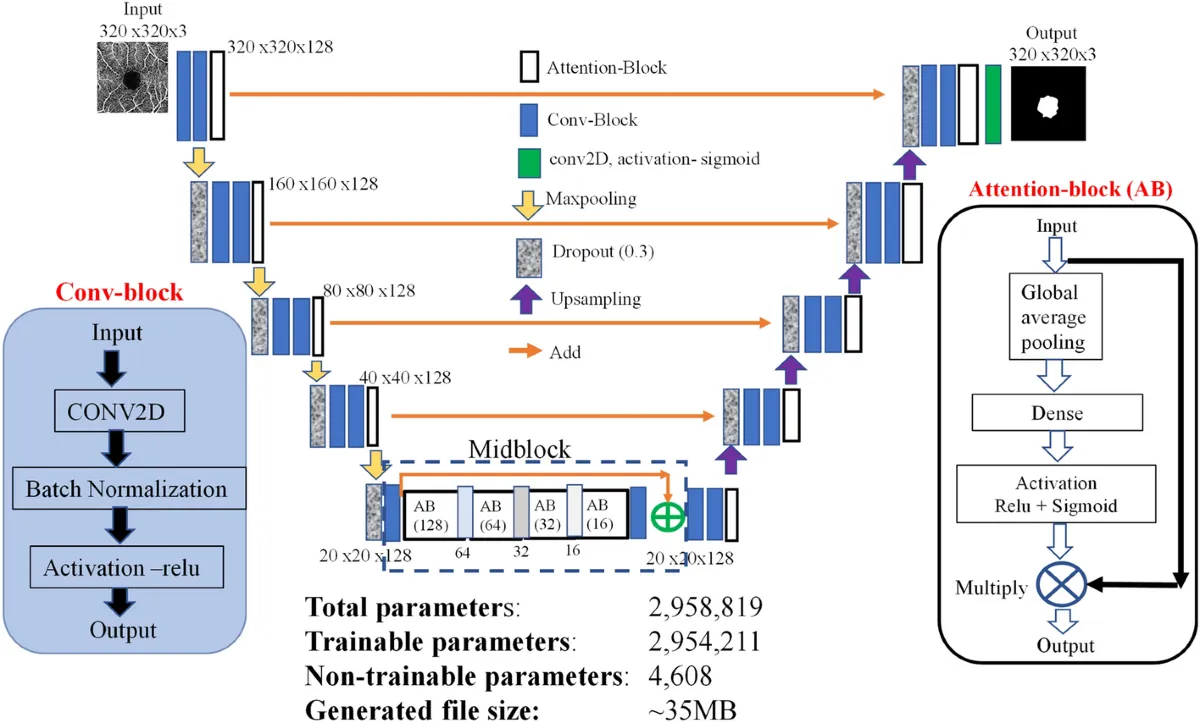
Review of lightweight deep learning for resource-constrained devices: TinyML, quantization, architectures and deployment strategies for efficient inference.

Overview of AI glasses hardware and the role of quartz crystal oscillators in providing precise clock signals for display rendering, data processing, and wireless stabilization.

Analysis of recent research evaluating whether LLMs can plan or reason, showing limited autonomous planning and that apparent emergent capabilities stem from in-context learning.

Technical overview of methods to improve reward model robustness for RLHF: quantify preference strength, flip/soften labels, apply adaptive margins, contrastive learning and MetaRM

Explains how AIoT links AI and physical devices via IP-based networks and application layers like Matter, and deployment considerations for scalable device connectivity.

Predictive maintenance and digital twin applications for AI-driven industrial process stability, enabling real-time parameter optimization and reduced downtime.