 ALLPCB
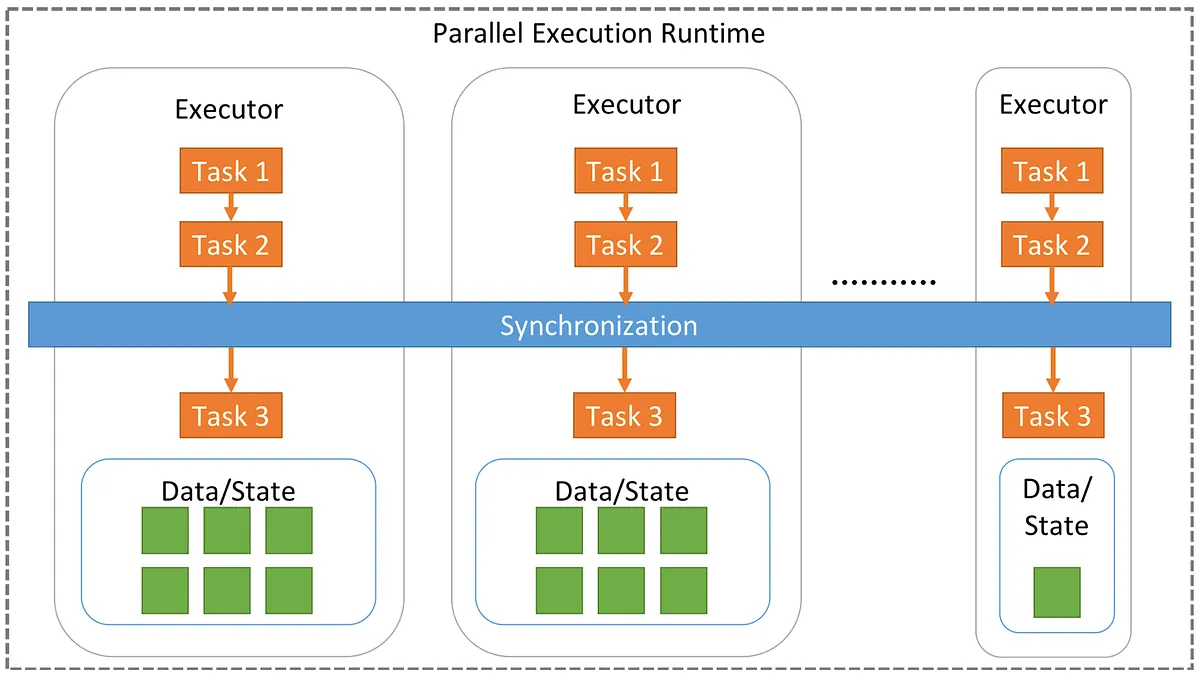
Memory Challenges in AI and Machine Learning Compute
Overview of AI memory demands and new technologies: capacity, bandwidth, latency, power, reliability, and adoption challenges for future AI systems.



Overview of AI memory demands and new technologies: capacity, bandwidth, latency, power, reliability, and adoption challenges for future AI systems.
Analysis of large-model scaling: how parameter count and training tokens drive compute requirements, showing compute grows ~quadratically with model size.

Microsoft’s government CTO details public sector AI adoption, cloud migration, ethical AI governance, and cybersecurity practices to enable secure, data-driven government services.

Detailed review of a 30k-line NumPy machine learning repository implementing 30+ models with explicit gradient computations, utilities, and test examples.
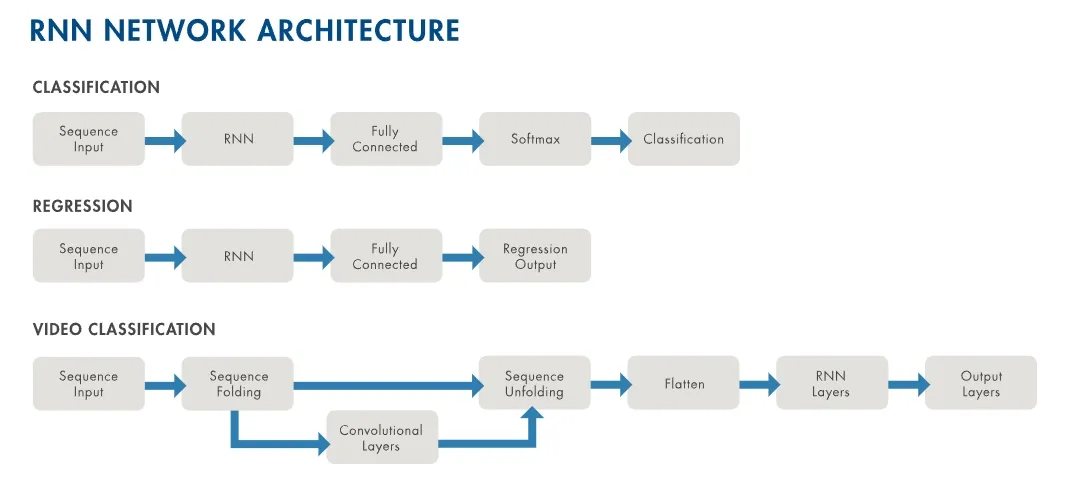
Technical overview of RNNs and LSTM architectures, how they model sequential data, application areas like signal and text processing, and MATLAB-based implementation.

Review of neural network quantization and numeric formats, covering floating vs integer, block floating point, logarithmic systems, and inference vs training trade-offs.
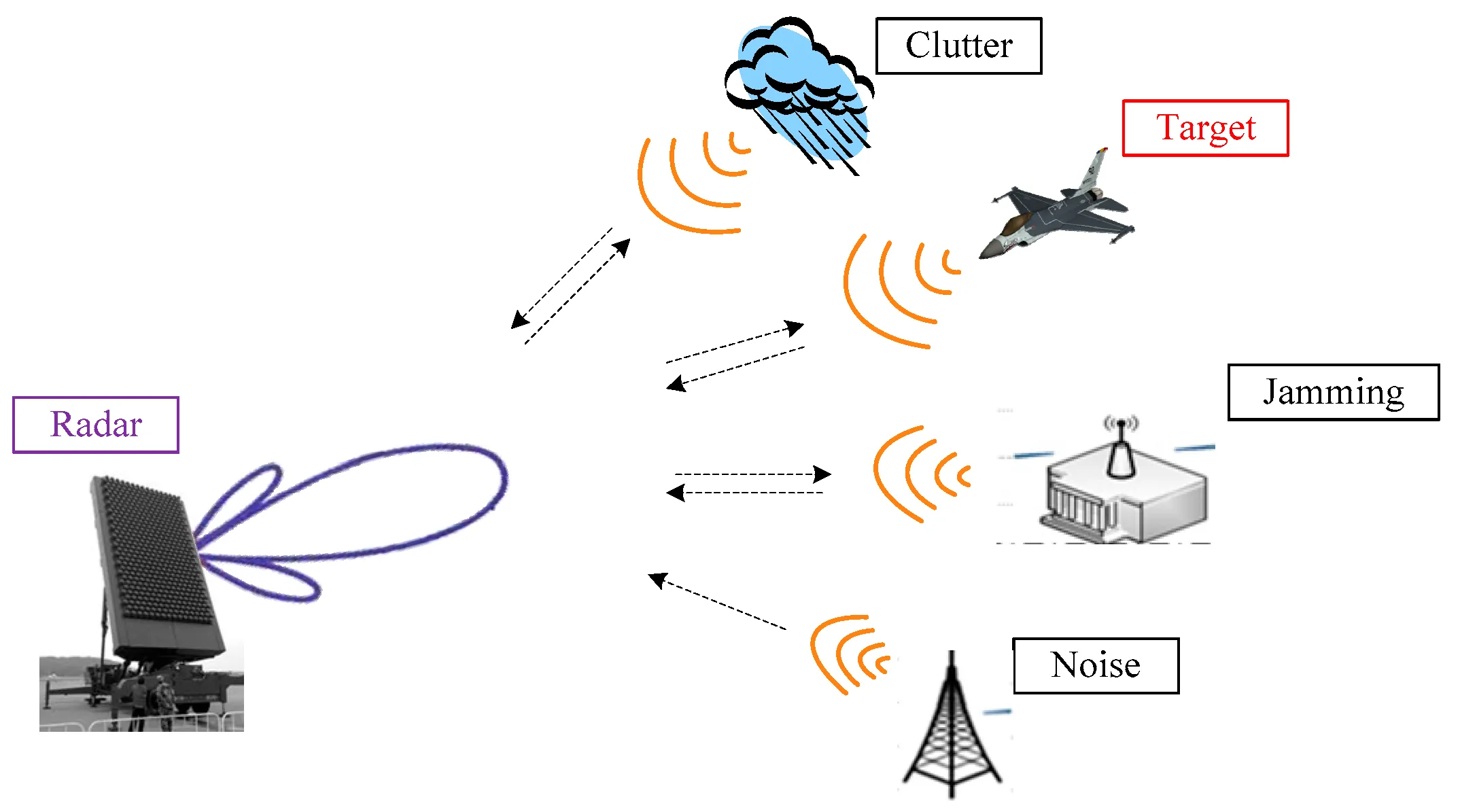
Survey of deep learning approaches for radar target detection, comparing two-stage and single-stage detectors (Faster R-CNN, YOLOv5), preprocessing, and deployment results.
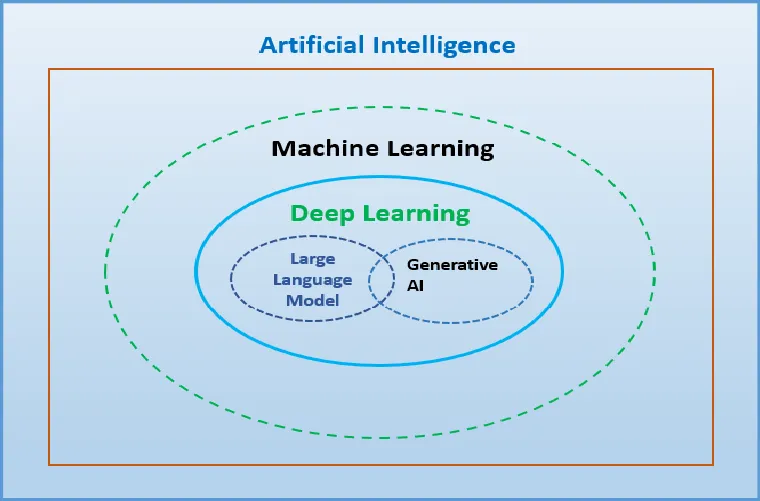
Overview of artificial intelligence and its relationship to machine learning and deep learning, covering AI categories, ML workflow, and common deep architectures.
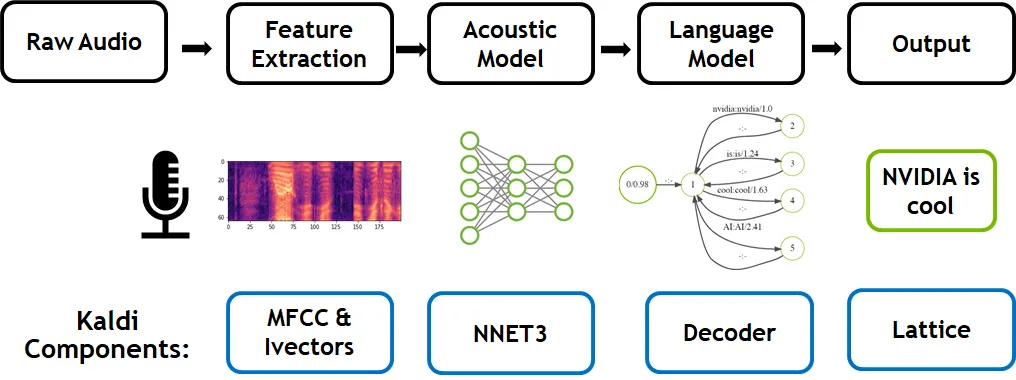
Overview of ASR (speech-to-text): pipeline, acoustic and language models, CTC training, decoding strategies, and GPU acceleration using NVIDIA NeMo and toolkits.

Technical overview of AI cybersecurity risks: automated attacks, deepfakes, adversarial examples, privacy and data security, ethics, legal challenges, and system fragility.